


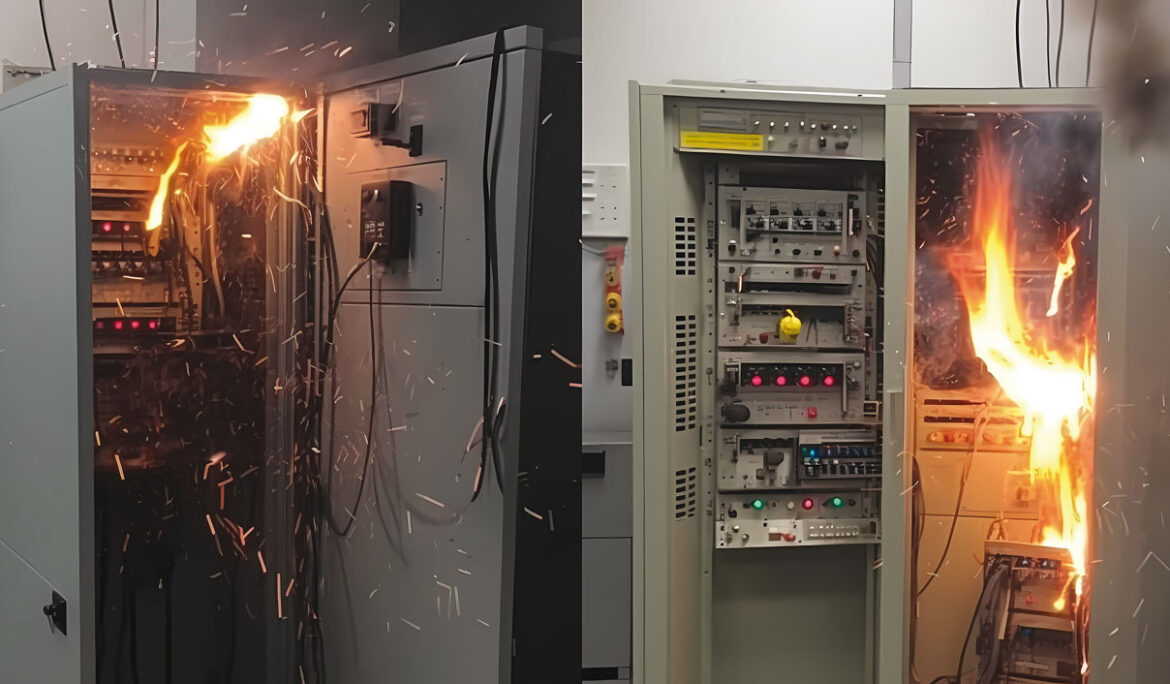
Ensuring Electrical Safety: Short Circuit Analysis, Causes, and Prevention!!
Short circuits are among the most common and dangerous electrical faults in industrial and commercial systems. They occur when an unintended low-resistance path forms, allowing excessive current to flow, which can result in equipment damage, fire hazards, and system downtime. For industries striving for electrical safety and a safe workplace, conducting a Short Circuit Analysis is essential. Furthermore, power system consultants can help identify weak points, mitigate risks, and ensure operational reliability. Factors Contributing to Short Circuits Several factors contribute to short circuits in electrical systems. These factors can be classified as external or internal causes. To understand them better, …

Unveiling the Hidden Risks: Why Comprehensive Arc Flash Analysis is Non-Negotiable!!
Electrical safety is critical, and hesitations or half-measures can lead to catastrophic consequences. This blog highlights how a proactive, facility-wide Arc Flash Analysis can prevent costly failures, improve safety, and ensure compliance with industry standards. The Importance of Comprehensive Arc Flash Analysis One recent case underscores the risks of overlooking electrical safety measures. A client initially requested a localized Arc Flash Analysis but ignored the broader interconnected nature of their electrical system. The consequences were immediate and severe—a costly arc flash incident occurred in an unassessed area within 24 hours. This case demonstrates the importance of conducting a full-scope analysis …

Boost Your Solar Plant’s Efficiency with Cutting – Edge Robotic Cleaning Solutions & Advanced Startegies!
Solar energy is one of the fastest-growing renewable energy sources globally. However, maintaining the peak performance of photovoltaic (PV) solar plants requires regular and efficient maintenance. Neglecting maintenance can lead to reduced energy output, increased operational costs, and shorter system lifespans. This blog dives into how robotic cleaning and advanced maintenance strategies can help you unlock your solar plant’s full potential. Neglected maintenance often results in significant energy loss. A thin layer of dust on solar panels can reduce energy output by up to 20%. Traditional manual cleaning methods are labor-intensive and inconsistent, leaving room for inefficiencies. Robotic cleaning technology …

Why Document and Resource Checks Matter Before Signing an Operation & Maintenance Contract
When taking on an Operation & Maintenance (O&M) contract for equipment or facilities like solar plants, manufacturing equipment, or industrial assets, it’s essential to check all relevant documents and resources. Properly reviewing these before committing can help ensure smooth operations, prevent costly issues, and set clear expectations between you and the client. This blog explores the key reasons why document and resource checks are essential before signing an O&M contract. 1. Understand Equipment Condition and Maintenance History Before signing an O&M contract, it’s important to understand the current condition of the equipment. Essential documents to review include: User Manuals: These …

Planning an Arc Flash Study? Essential Checklist to Ensure Accurate Results
Prepare your data using our Power System Study Input Checklist, and explore the Power System Studies service for the scope and agreed outputs. Conducting an Arc Flash Study is a critical step in ensuring electrical safety and compliance with standards like NFPA 70E and IEEE 1584. For accurate arc flash analysis, it’s vital to gather specific, detailed information about your electrical system. Missing data can lead to inaccurate calculations, underestimating the risks, and ultimately compromising safety. Here’s an in-depth checklist for planning and executing a successful Arc Flash Study. 1. Comprehensive Single Line Diagrams (SLDs) Single Line Diagrams (SLDs) are …
The Role of Relay Coordination in Lowering Arc Flash Incidences!!
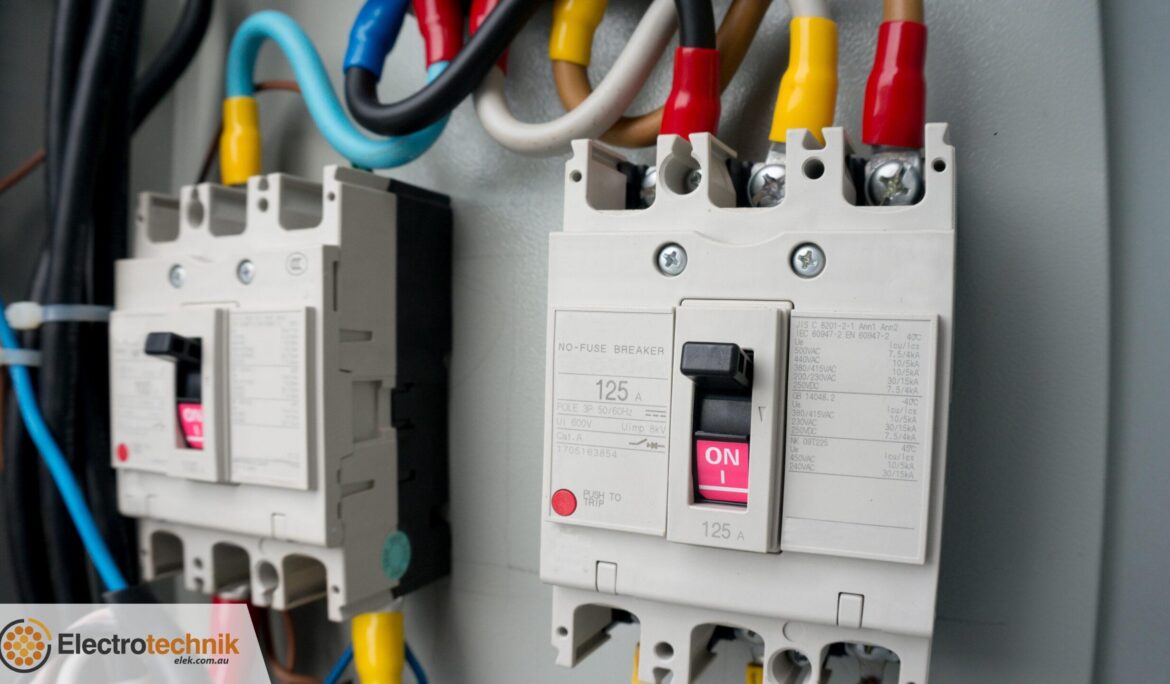
Relay coordination is vital for electrical protection systems. It helps reduce Arc Flash hazards by ensuring that protective devices, like relays and circuit breakers, operate in the correct sequence. This process quickly isolates faults and prevents dangerous Arc Flash incidents, which could damage equipment and put personnel at risk. Key Technical Aspects of Relay Coordination to Minimize Arc Flash Risk Selective Fault Isolation: Proper relay coordination makes sure that only the closest relay to a fault trips, isolating the issue. In a radial distribution system, this approach prevents unnecessary tripping of upstream devices, reducing the risk of larger Arc Flash …

Grid Code Compliance: 10 Warning Signs and Who’s Responsible for Keeping the Grid Reliable!!
Maintaining Grid Code compliance is essential for the efficient and reliable operation of the electrical grid. Non-compliance can lead to power quality issues, system inefficiencies, and even grid failures. Below are 10 signs that indicate the need for Grid Code compliance checks to keep your operations on track. 1. Frequent Grid Instability or Power Quality Issues Experiencing frequent voltage fluctuations, harmonic distortion, or frequency deviations? These issues suggest participants in the grid may not be complying with the Grid Code. A compliance check helps identify the root cause and prevent grid disturbances. 2. Integration of New Generation Assets When adding …

Grid Code Compliance: Best Practices & Key Considerations!!
Why do we need to get Grid Code Compliance? The stability, reliability, and quality of power grids are maintained by achieving Grid Code Compliance. This article is useful for providing valuable insights for project developers, engineers, and policymakers by understanding key practices and considerations. Understanding Grid Code Requirements Basically, Grid codes are technical specifications that outline the requirements for connecting to and operating within a power grid. Grid Code Compliance covers various aspects such as voltage control, frequency stability, reactive power support, and fault ride-through capabilities. Compliance with these codes ensures that all connected systems contribute to the grid’s overall …

Key Operational Parameters for Solar Plant Efficiency: A Technical Overview for Optimal Performance Monitoring
1. Solar Irradiance (kW/m²) Monitoring this parameter helps determine if the available solar resource aligns with predicted energy yield models. Real-time irradiance data helps benchmark actual performance against theoretical output. Impact: Variations in irradiance are directly proportional to the plant’s power generation. Drops in irradiance could be due to weather conditions, partial shading from structures or trees, or seasonal changes. 2. Module Temperature (°C) For every degree rise in temperature above 25°C, crystalline silicon panels typically see a drop in efficiency of around 0.3-0.5%. Impact: Monitoring module temperature using integrated temperature sensors allows operators to calculate performance losses due to …

Clarifying Key On-Site Activities in Engineering Projects: Supervision, Audits, Inspections, and Testing!!
Engineering projects involve a range of critical on-site activities, all of which require the coordination of different stakeholders. These activities Supervision, Audits, Inspections, and Surveys/Measurements/Testing are vital to ensuring projects are completed on time, meet design and safety standards, and comply with all relevant regulations. However, confusion often arises about the exact responsibilities and roles involved in each of these tasks. This blog aims to clarify these activities and provide a technical perspective on the workflow at engineering project sites. 1. Supervision Supervision is a continuous, on-site activity that focuses on ensuring the project is executed according to established design, …