


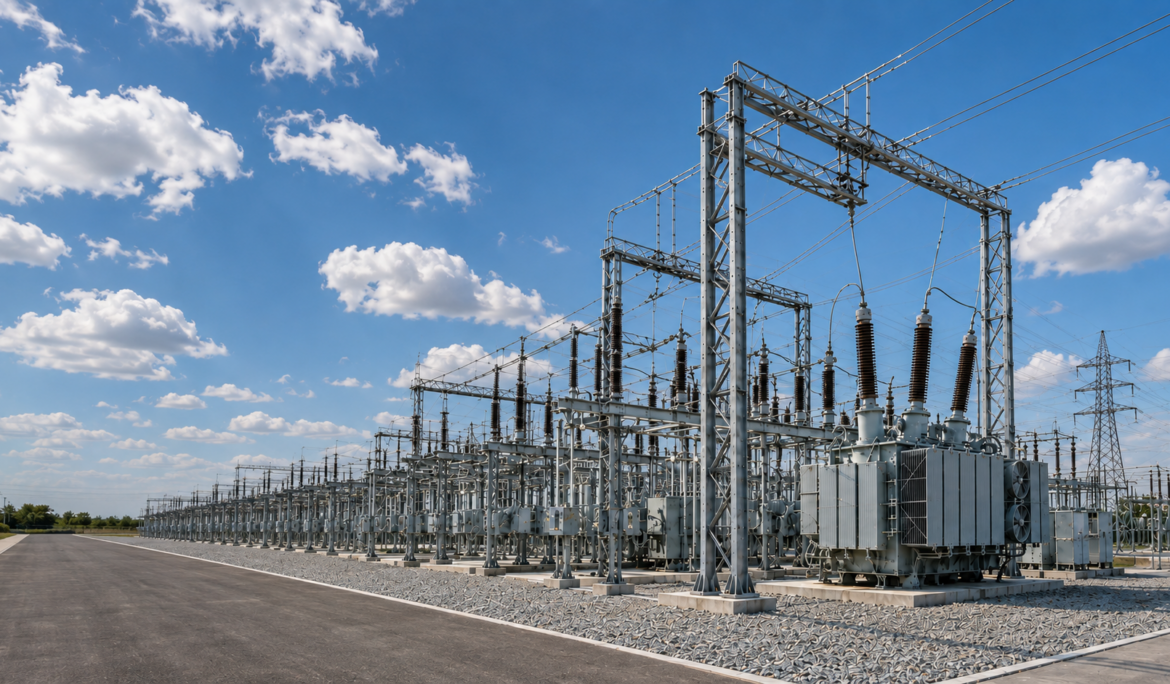
Substation Engineering Capacity Without Losing Design Control
Substation engineering capacity becomes difficult to manage when vendor data, protection requirements, civil inputs and utility comments arrive at the same time. Multiple packages may be approaching 30%, 60%, 90% or issue-for-construction (IFC) milestones while the same internal engineers review calculations, resolve interfaces and support active projects. Adding engineering resources can help, but additional hours do not automatically create additional capacity. The delivery model must define package boundaries, design inputs, interfaces, review responsibilities and decision authority. That structure lets an owner or EPC team increase production while retaining control of the design basis and approvals. Engineering Takeaway More Drawing Hours …
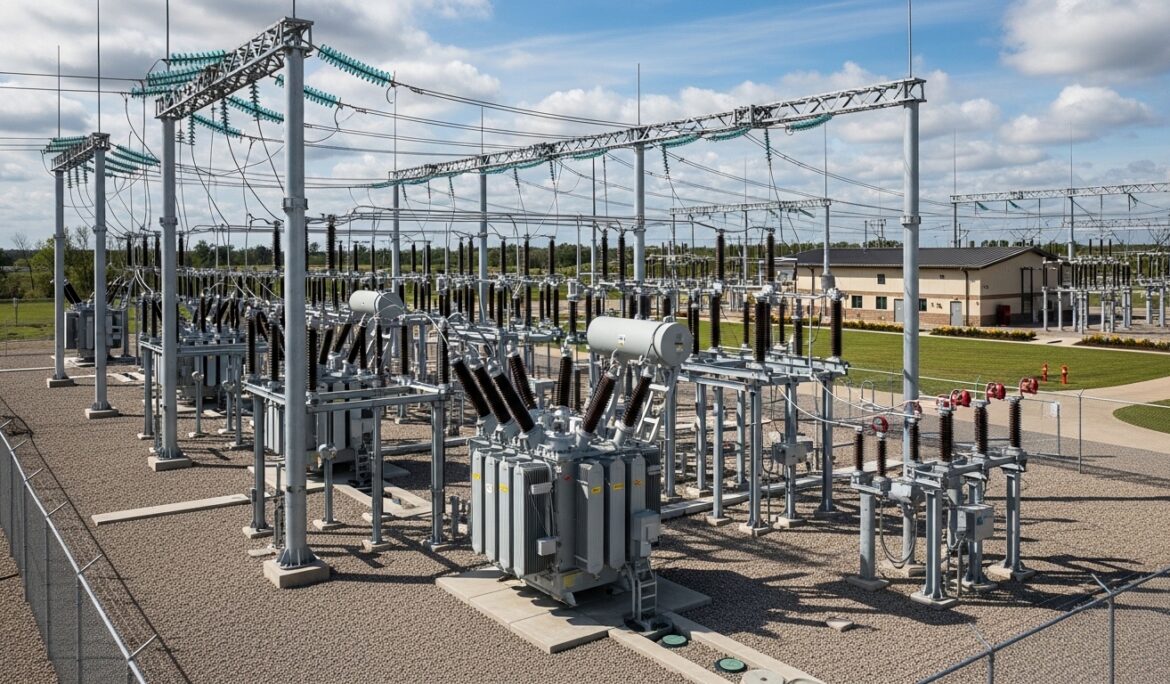
Substation and Switchyard Design for Future Expansion: Technical Gaps That Create Cost Overruns!!
Most substations are engineered for immediate commissioning requirements. Very few are engineered for future expansion. This oversight leads to forced outages, protection redesign, earthing upgrades, trench congestion, and significant capital rework during capacity augmentation. In EHV and renewable pooling substations, expansion is not optional it is inevitable. This article addresses the technical parameters that must be engineered correctly during initial design to avoid lifecycle cost escalation. 1. Busbar Scheme Selection: Engineering vs Budget-Driven Decisions Busbar scheme selection is frequently driven by initial CapEx constraints rather than outage philosophy and future scalability. Common Technical Risk Single bus scheme selected for cost reduction …
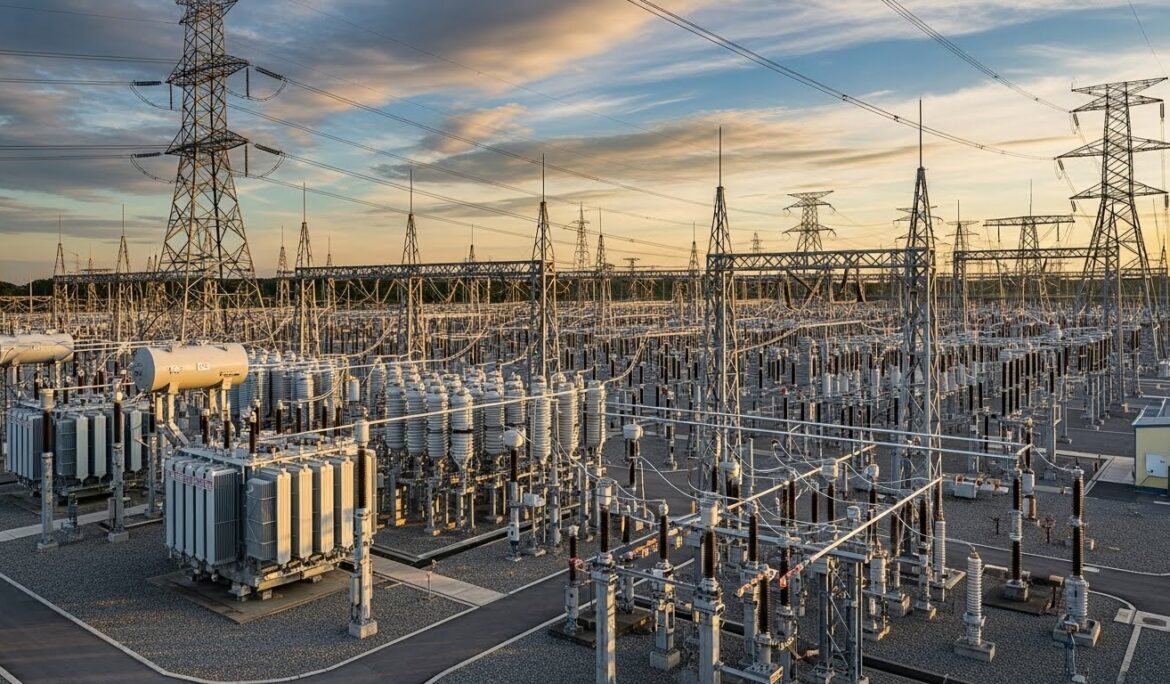
The Hidden Design Assumptions That Cause Switchyard Substation and Transmission Line Failures Years After Commissioning
Switchyard substations and transmission lines are typically designed in strict adherence to IEC, IEEE, IS, and utility-specific standards. On paper, these designs are compliant, approved, and ready for execution. Yet in practice, many such systems experience: Recurrent outages Insulation and protection issues Operational inflexibility Premature performance limitations This raises an important question for designers and utilities alike: Why do technically compliant designs still struggle under real grid conditions? This article explores that gap focusing on engineering judgment beyond standards, and on the design considerations that directly influence long-term reliability and grid performance. Standards Define the Framework Engineering Defines Performance Electrical …

The BESS Failures No One Sees Coming – Until It’s Too Late!!
Battery Energy Storage Systems (BESS) are critical to the renewable energy transition, enabling grid stability, peak shaving, and energy arbitrage. However, beneath the promise of reliability lies an uncomfortable truth—many BESS failures are preventable but go unnoticed until they cause costly downtime or catastrophic damage. This article explores hidden risks in BESS safety, why failures often appear “sudden,” and how engineering best practices can eliminate them. Why BESS Failures Often Go Undetected A BESS failure rarely starts with an explosion or visible fault. Instead, small issues accumulate over time—minor heat build-up, uncoordinated protection settings, or skipped DC arc flash hazard …

5 Common Solar Plant Design Mistakes That Hurt Performance and How to Avoid Them
Why Solar Design Isn’t Just About Panels and Sunshine A well-designed solar plant is a balance of efficiency, compliance, safety, and future readiness. Yet across India, many EPCs and developers face project losses due to avoidable design flaws that reduce ROI, increase downtime, or trigger grid penalties. At Elegrow Technology Pvt. Ltd., we’ve worked on over 100 design and performance optimization projects — and here are the top five mistakes we see time and again. ⚠️ 1. Improper DC:AC Ratio Selection The Mistake:EPCs often oversize or undersize the inverter in relation to the DC capacity — based on guesswork or …

How Outdated Electrical Design Approaches Are Increasing Risk and Reducing System Performance
In today’s highly dynamic industrial landscape, engineering design is no longer just about compliance. The shift toward digital manufacturing, grid integration, and reliability-focused design means outdated approaches can severely impact performance, safety, and ROI. At Elegrow Technology Pvt. Ltd., we specialize in electrical system design and power system studies for energy-intensive sectors. Our analysis of over 300+ projects highlights key trends that engineering teams must address. 40% of Electrical System Failures Originate from Inadequate Design Practices Failure to update design methodologies with current standards, simulation models, and operational requirements leads to: Incorrect cable sizing and protection coordination Ineffective earthing and …

Are You Tracking Hidden Energy Losses?
Every 1% Efficiency Loss = Reduced ROI Energy efficiency is the backbone of a profitable and sustainable industrial operation. Yet, many plants operate with hidden energy losses that go undetected, leading to increased operational costs and decreased return on investment (ROI). If your plant isn’t optimized, you’re leaving money on the table. A well-structured energy audit helps identify and rectify these inefficiencies, improving both performance and profitability. This blog explores different types of energy losses, their sources, and how to mitigate them effectively. Types of Energy Losses in Industrial Plants Electrical Losses Power Quality Issues: Harmonics, voltage fluctuations, and poor …

Step-by-Step BOQ for Battery Energy Storage Systems (BESS)!!
In the rapidly evolving energy landscape, Battery Energy Storage Systems (BESS) play a pivotal role in stabilizing grids, optimizing renewable energy, and ensuring energy reliability. A well-structured Bill of Quantities (BOQ) is essential for the seamless design, procurement, and installation of a BESS. This blog presents a detailed BOQ framework tailored to the Indian market, ensuring all critical aspects of the system are accounted for. 1. Battery System Item Description Quantity Unit Remarks Battery Cells Lithium-ion (or other types) As per design MWh Specify type (LFP, NMC, etc.) Battery Racks Modular racks for housing cells As per design Set …

Achieving Top-Tier Electrical Safety at Zero Cost with In-House Expertise
Electrical safety is a non-negotiable aspect of any industrial operation. The potential hazards associated with electricity from arc flashes to equipment malfunctions pose significant risks to both personnel and equipment. Traditionally, companies have relied on external auditors and consultants to ensure compliance with safety standards. However, with the right tools, knowledge, and team, achieving top-notch electrical safety internally can be done at zero additional cost. Here’s how. 1. Invest in the Right Software One of the key elements in ensuring electrical safety is having the appropriate software for analysis and monitoring. Software solutions for load flow analysis, fault analysis, …

Precision in Design Documentation is Non-Negotiable: Safeguarding Projects from Costly Mistakes and Compliance Failures!!
In the realm of design engineering, the integrity of documentation is paramount. Yet, a concerning pattern is emerging engineers often input data into software without adhering to industry standards, drawing from practical experience, or accounting for site-specific conditions. This negligence can result in documents that, once handed over to users, may lead to significant issues when implemented in real-world scenarios without rigorous verification. The Critical Role of Design Documentation Design documentation is not just a formality; it serves as the backbone of multiple stages in a project’s lifecycle. The accuracy and reliability of these documents directly influence: Inquiries to Vendors …