



Grid Code Compliance Deep Dive: How the USA, Germany, South Africa & Australia Define Protection Standards!!
In today’s rapidly evolving power ecosystem defined by DER integration, inverter-based resources, utility digitalization, and aggressive decarbonization mandates grid code compliance and relay coordination have become mission-critical. Developers, EPCs, IPPs, and utilities across the USA, Germany, South Africa, and Australia are under mounting pressure to meet stringent regulatory frameworks while ensuring system stability, cybersecurity resilience, and interoperability. This guide provides a technically sound breakdown of regional requirements, emerging trends, and best-practice engineering methodologies. Why Grid Code Compliance Is Non-Negotiable in Modern Power Systems Global transmission operators are tightening compliance enforcement as networks experience unprecedented operational volatility. Key drivers include: High-penetration …

Insulation Coordination: Engineering Grid Reliability Against Surges!!
The Overlooked Weak Point in Power Systems Every transmission and distribution (T&D) system is designed to carry thousands of amps of power but a single surge lasting just microseconds can silently stress insulation beyond its limit. Lightning surges can exceed 1,000 kV peak Switching surges during breaker operations often reach 2.5 p.u. (per unit) Even temporary overvoltages during faults progressively erode insulation life Without a proper Insulation Coordination (IC) study, these surges accumulate damage and leave the grid vulnerable to sudden failures. What Is Insulation Coordination? Insulation Coordination is the process of aligning the insulation strength of equipment with the …

26 Robots. 300 MWp. Zero Dust Losses Daily!
The solar industry is entering a new era. With the shift to high-efficiency 550 Wp modules and beyond, projects are producing more power per square meter than ever before. But while generation capacity has leapt forward, one silent factor continues to undermine performance: soiling losses. Dust, pollution, and dirt are no small threat. On modern high-wattage modules, even a thin layer of dust can reduce generation efficiency by 3–5% in a single day. For a 300 MWp utility-scale solar plant, that translates to millions of rupees in lost revenue annually. The bigger the plant, the higher the stakes. In this …

Dispelling Energy Audit Myths: What It Truly Is & Isn’t for Your Business!!
In today’s rapidly evolving energy landscape, optimizing consumption isn’t just a trend—it’s a strategic imperative. Yet, despite the growing emphasis on energy efficiency, the concept of an energy audit often remains shrouded in misconceptions. Many businesses and facilities shy away, operating under false pretenses about what this critical service entails. At Elegrow Technology Pvt. Ltd., we believe in clarity and precision. Let’s dismantle the common myths surrounding professional energy audits and illuminate what they truly are: a powerful tool for informed decision-making, significant cost savings, and sustainable growth. Myth #1: An Energy Audit is Just About Fixing Leaky Windows and …

AI-Driven Electrical Safety: How Predictive Analysis is Reshaping Arc Flash and Power Quality Assessments!!
In industrial environments especially in sectors like pharmaceuticals, oil & gas, chemicals, and manufacturing, electrical failures can cause severe equipment damage, downtime, and pose serious life-threatening hazards. Among the most critical are arc flash incidents and power quality (PQ) disturbances. Traditionally, arc flash studies and PQ monitoring have been performed periodically using historical data and assumptions. However, with the advent of AI (Artificial Intelligence) and machine learning algorithms, the landscape is changing. Industries now have the opportunity to shift from static safety practices to real-time predictive electrical safety systems bringing a new level of reliability, uptime, and operational efficiency. Arc …

Monsoon Electrical Safety Checklist for Engineering & Maintenance Teams!!
Monsoon Electrical Safety Checklist For Engineering & Maintenance Teams – Prepared by Elegrow Technology Pvt. Ltd. 1. Panel & Equipment Safety Task Status (✓/✗) Notes Check for water seepage points near electrical panels, switchboards, and control rooms Ensure all outdoor panels are IP-rated and properly sealed Perform IR (Insulation Resistance) testing on all critical circuits Inspect panels for condensation or internal humidity Verify thermal scanning has been done to detect hot spots Clean and tighten all cable terminations inside panels 2. Earthing & Grounding System Task Status (✓/✗) Notes Measure earth resistance of all pits and ensure values …

How Outdated Electrical Design Approaches Are Increasing Risk and Reducing System Performance
In today’s highly dynamic industrial landscape, engineering design is no longer just about compliance. The shift toward digital manufacturing, grid integration, and reliability-focused design means outdated approaches can severely impact performance, safety, and ROI. At Elegrow Technology Pvt. Ltd., we specialize in electrical system design and power system studies for energy-intensive sectors. Our analysis of over 300+ projects highlights key trends that engineering teams must address. 40% of Electrical System Failures Originate from Inadequate Design Practices Failure to update design methodologies with current standards, simulation models, and operational requirements leads to: Incorrect cable sizing and protection coordination Ineffective earthing and …
Is Your Facility’s Power System at Risk? Here’s How to Know!!
Reliable electrical power systems are fundamental to industrial operations, safety, and productivity. However, many manufacturing, pharmaceutical, chemical, oil & gas, and food processing facilities overlook periodic power system assessments, leaving themselves exposed to critical risks and expensive downtimes. Importance of Regular Power System Health Checks Conducting routine power system studies and assessments significantly mitigates risks associated with electrical faults, power outages, and safety hazards. Regular evaluations: Enhance system reliability through proactive identification and mitigation of vulnerabilities. Ensure compliance with stringent electrical standards (such as IEEE and NFPA 70E). Reduce costly downtime via predictive and preventive maintenance strategies. Optimize equipment efficiency …
Preventing Electrical Fires in India: Essential Safety Standards and Practices!!
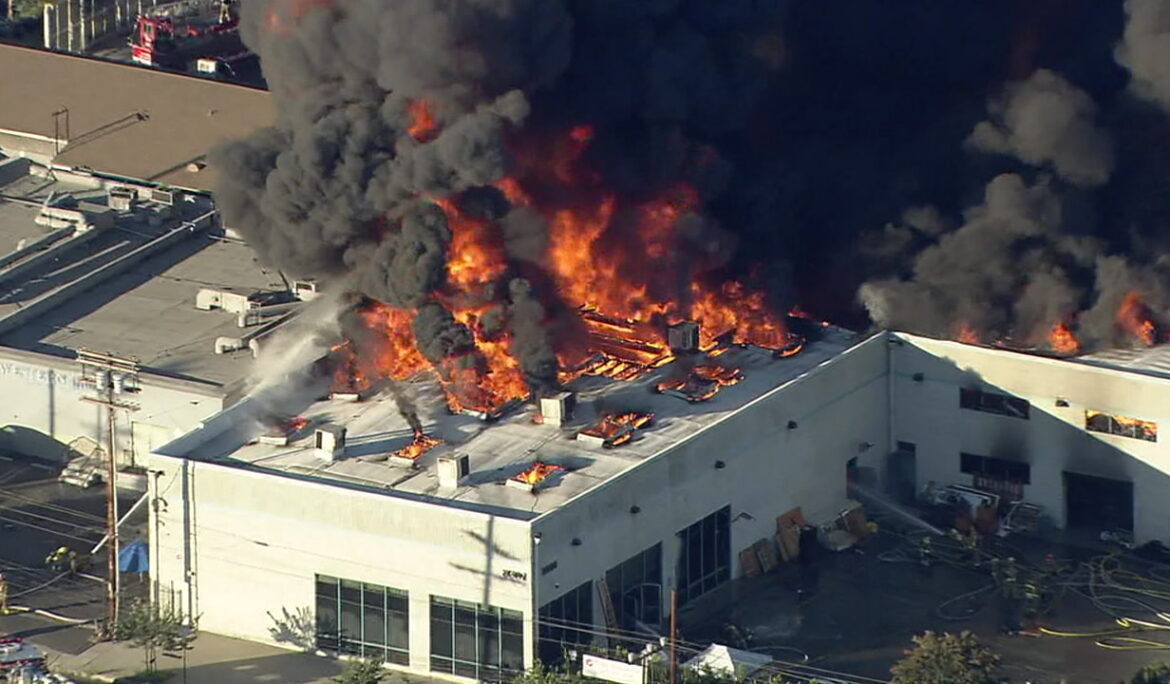
Electrical safety is a critical concern in India, where electrical malfunctions frequently lead to fires, resulting in significant loss of life and property. Understanding the causes of these incidents and adhering to established safety standards are vital steps toward mitigating such risks. The Alarming Statistics Electrical fires and accidents remain a pressing issue in India. From July to December 2023, 112 fire incidents were reported across the country, resulting in 131 fatalities and 164 injuries. Notably, electrical short circuits were identified as the primary cause in 58 of these incidents. Common Causes of Electrical Fires in India Several factors …
Skipping Insulation Coordination? Here’s Why It Could Cost You Millions!
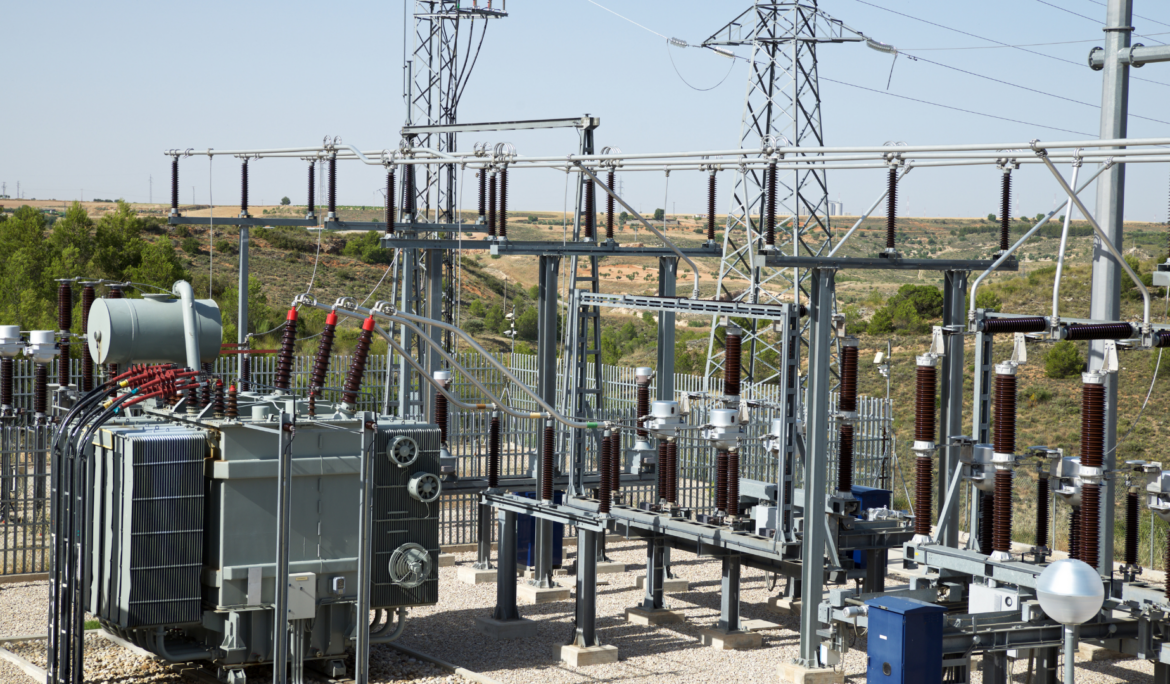
Why Insulation Coordination Studies Are Essential for Electrical Systems Most EPCs assume that standard insulation levels are sufficient for power systems. However, electrical networks operate in dynamic environments where transient overvoltages from lightning strikes, switching surges, and faults can stress insulation beyond its rated limits. Skipping an Insulation Coordination Study (ICS) may lead to equipment failure, unplanned downtime, and increased maintenance costs. This blog explores the importance of insulation coordination, provides technical insights, and highlights industry statistics that emphasize why this study should be a standard practice in every EPC project. What Is Insulation Coordination? Insulation Coordination is the process …