



Achieving Top-Tier Electrical Safety at Zero Cost with In-House Expertise
Electrical safety is a non-negotiable aspect of any industrial operation. The potential hazards associated with electricity from arc flashes to equipment malfunctions pose significant risks to both personnel and equipment. Traditionally, companies have relied on external auditors and consultants to ensure compliance with safety standards. However, with the right tools, knowledge, and team, achieving top-notch electrical safety internally can be done at zero additional cost. Here’s how. 1. Invest in the Right Software One of the key elements in ensuring electrical safety is having the appropriate software for analysis and monitoring. Software solutions for load flow analysis, fault analysis, …

Precision in Design Documentation is Non-Negotiable: Safeguarding Projects from Costly Mistakes and Compliance Failures!!
In the realm of design engineering, the integrity of documentation is paramount. Yet, a concerning pattern is emerging engineers often input data into software without adhering to industry standards, drawing from practical experience, or accounting for site-specific conditions. This negligence can result in documents that, once handed over to users, may lead to significant issues when implemented in real-world scenarios without rigorous verification. The Critical Role of Design Documentation Design documentation is not just a formality; it serves as the backbone of multiple stages in a project’s lifecycle. The accuracy and reliability of these documents directly influence: Inquiries to Vendors …

Top 5 Electrical Hazards You Need to Know!!
Arc Flash An arc flash is a dangerous release of energy caused by an electrical fault. It can result in severe injuries, burns, and even fatalities. It occurs when an electrical current leaves its intended path and travels through the air from one conductor to another or to the ground. This can result in a sudden, explosive release of energy, creating a flash of light, intense heat, and pressure, which can cause severe injury or damage. Key factors contributing to arc flashes include: Equipment failure Human error Inadequate maintenance Mitigation Strategies: Conduct regular Arc Flash studies to assess risk levels. …

Structured Engineering Project Lifecycle: Detailed Technical Overview
Engineering projects typically follow a structured lifecycle with distinct stages, each serving a specific purpose. Here’s an overview of the different stages of engineering projects and their purposes: Stage Purpose Conceptualization Identify project needs, goals, and feasibility. Develop initial ideas and concepts. Conduct preliminary studies and market analysis to assess viability and potential benefits. Feasibility Study Analyze technical, economic, and operational feasibility. Evaluate project risks and uncertainties. Prepare cost estimates and identify potential return on investment. Preliminary Design Develop basic design and layout. Identify key components and systems. Conduct initial simulations and analyses to validate concepts. Prepare initial project …
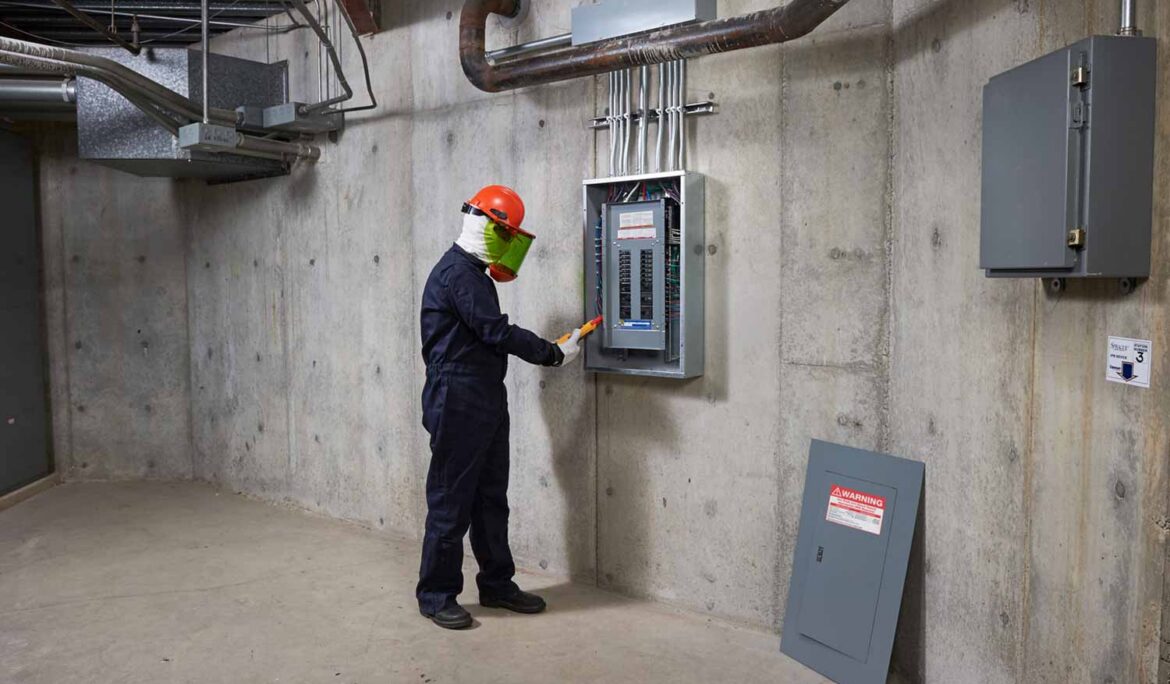
Performed Arc Flash Analysis? What is next?
Throughout our experience, we have observed that companies face challenges in the implementation of the Arc Flash Analysis recommendations and most of them don’t get support from their consultants. So here we have tried to help you with a few suggestions and details to make the process easier for you. In an Arc Flash Analysis, the report of Load Flow Analysis, Short Circuit Study, Protective Device Coordination Study and Finally the Arc Flash Analysis results are included as well as the recommendations for implementation. In Load Flow Analysis, the following important factors should be included Transformer Tap Settings: If transformer …
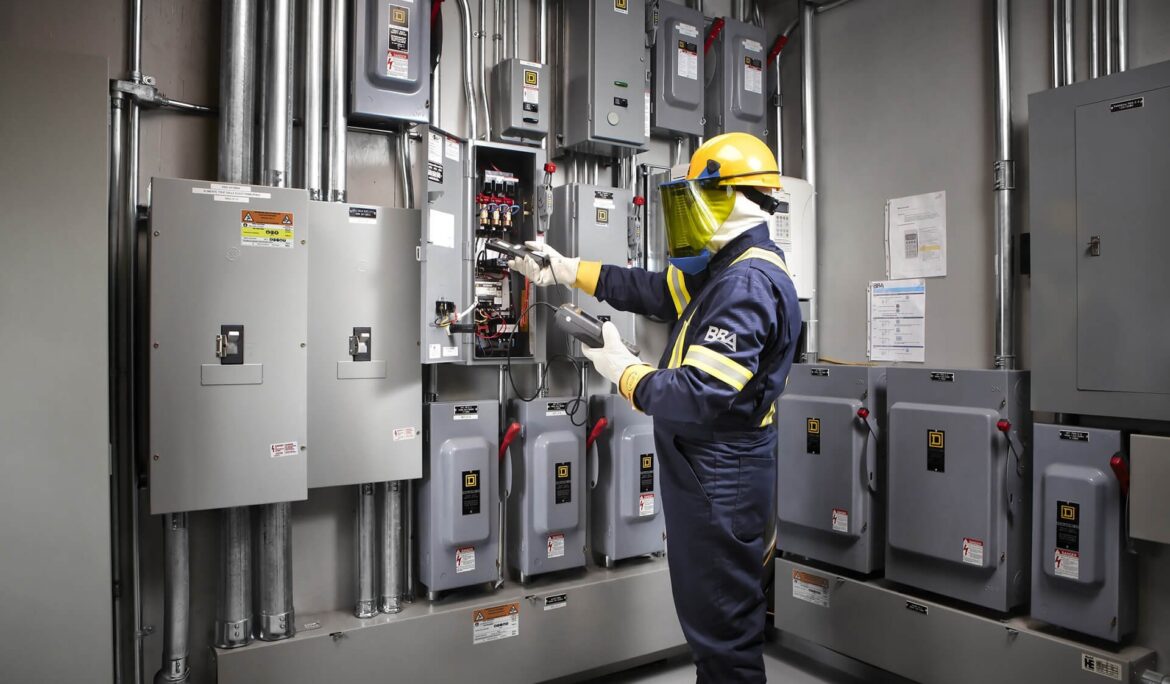
Key Deliverables from an Arc Flash Analysis for Optimal Electrical Safety!!
Arc flash incidents pose significant risks in manufacturing facilities, potentially leading to severe injuries, equipment damage, and costly downtime. An Arc Flash Analysis is a crucial safety measure that helps in identifying and mitigating these risks. When engaging an engineering consultant for Arc Flash Analysis, understanding the key deliverables can help facilities ensure comprehensive safety measures are in place. 1. Three-Phase RMS Symmetrical Bolted Fault Current Deliverable: Detailed calculations and analysis of the maximum current during a short circuit condition. Importance: This value is critical for determining the severity of an electrical fault and for designing protective measures like circuit …

Transforming Electrical Safety and Reducing Costs at a Pharmaceutical Company!!
Introduction A Leading Pharmaceutical Manufacturing Facility faced ongoing electrical safety concerns and rising maintenance costs. Seeking a solution, they partnered with Elegrow Technology Pvt. Ltd. for a comprehensive electrical safety audit. Challenge A Pharmaceuticals facility had experienced several electrical safety incidents over the past year, leading to unplanned downtime and significant repair expenses. Their goal was to enhance safety standards, ensure compliance with regulations, and reduce overall maintenance costs. Solution: Elegrow Technology Pvt. Ltd. conducted a thorough electrical safety audit, which included: Visual Inspections: Identified visible signs of wear, tear, and potential hazards in electrical installations. Testing of Protective Devices: …

Mitigating the Risk of Static Electricity through Safety Audits: A Technical Perspective!!
In the industrial sector, particularly within environments handling flammable materials or operating in explosive atmospheres, the risk posed by static electricity cannot be overstated. Static electricity, a charge imbalance that can occur on the surfaces of materials, has the potential to ignite flammable substances, leading to catastrophic accidents. Safety audits play a crucial role in identifying and mitigating these risks, ensuring a safer workplace. This technical content delves into how safety audits can effectively reduce the risk of static electricity. Understanding Static Electricity in Industrial Settings Static electricity is generated through processes such as friction, separation, and induction, common in …
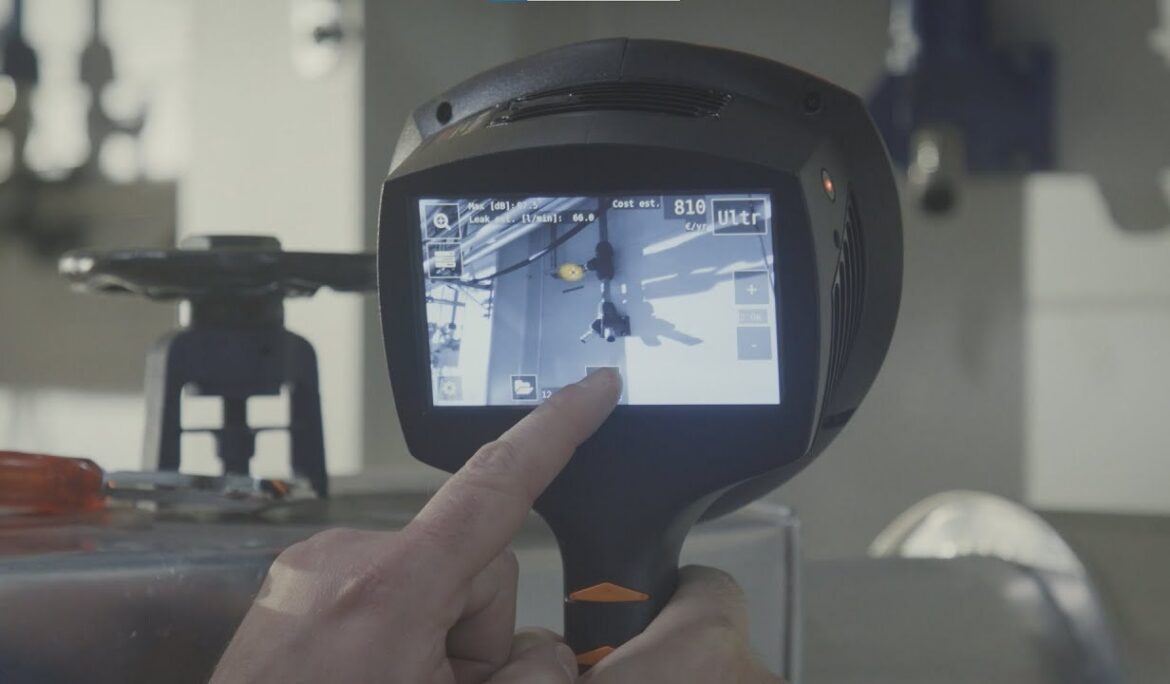
Enhancing Chemical Plant Safety: The Cutting-Edge Role of Acoustic Detection Technologies!!
In the dynamic environment of chemical industries, ensuring the safety of workers is paramount. With the presence of hazardous substances, the potential for accidents looms large, necessitating innovative solutions for early detection and prevention. One such groundbreaking approach is the utilization of acoustic detection technology. This blog explores the technical aspects of how acoustic detection systems can be leveraged to enhance worker safety in chemical manufacturing plants. Understanding Acoustic Detection Acoustic detection technology relies on the principle of sound analysis to identify potential hazards. By continuously monitoring ambient noise levels and analyzing sound patterns, these systems can detect irregularities that …

Optimizing Energy Efficiency: Advanced Strategies After an Energy Audit!!
Following a comprehensive energy audit, the path to enhancing energy efficiency requires a focused, technical approach. This blog delves into sophisticated strategies for optimizing energy use post-audit, offering a blend of technical insights and actionable steps tailored for facilities keen on achieving peak energy performance. Strategic Implementation of Audit Recommendations A detailed energy audit outlines specific inefficiencies and potential areas for improvement. The key to maximizing energy savings lies in a strategic, phased implementation of these recommendations. Prioritize actions based on their energy-saving potential versus implementation complexity. For instance, upgrading to high-efficiency motors or implementing energy recovery systems in HVAC …