



BESS Grid Integration Studies: How to Verify Grid Stability, Security and Reliable Energy Delivery Before Procurement
A practical guide for developers and EPCs to define BESS grid-study scope, assess stability and security needs, and align supplier guarantees with commissioning tests. …
Substation Engineering Capacity Without Losing Design Control
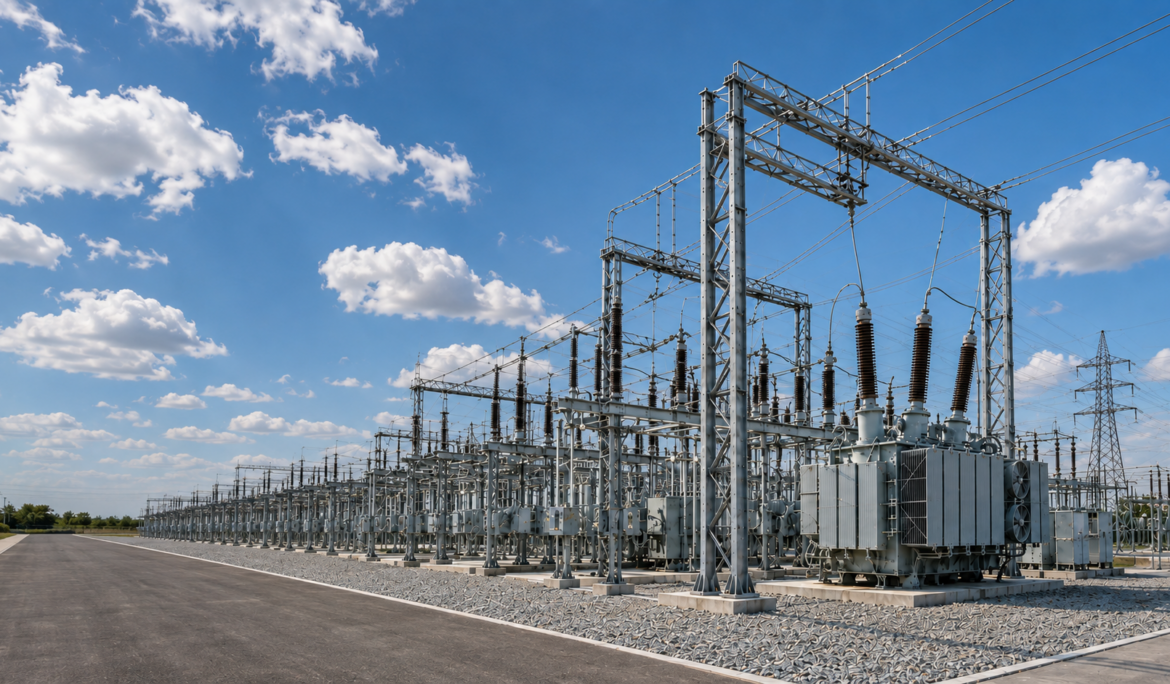
Substation engineering capacity becomes difficult to manage when vendor data, protection requirements, civil inputs and utility comments arrive at the same time. Multiple packages may be approaching 30%, 60%, 90% or issue-for-construction (IFC) milestones while the same internal engineers review calculations, resolve interfaces and support active projects. Adding engineering resources can help, but additional hours do not automatically create additional capacity. The delivery model must define package boundaries, design inputs, interfaces, review responsibilities and decision authority. That structure lets an owner or EPC team increase production while retaining control of the design basis and approvals. Engineering Takeaway More Drawing Hours …
Why BESS Interconnection Studies Get Rejected—and What Reviewers Expect Instead!!
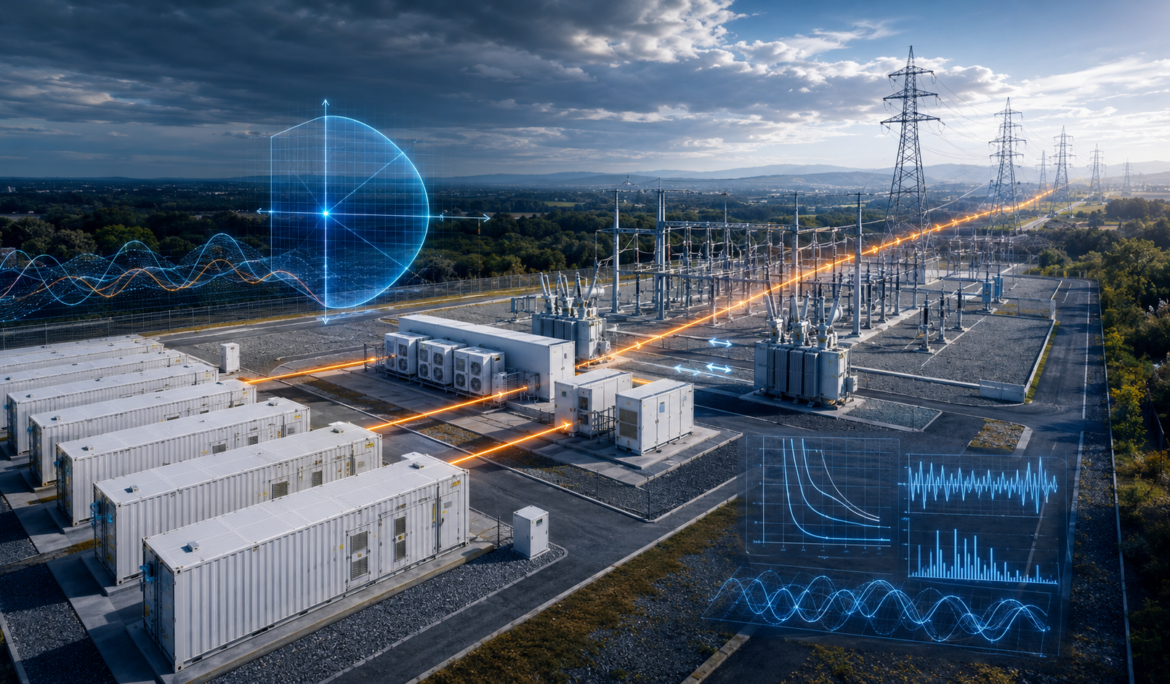
A BESS Interconnection Study Doesn’t Get Rejected at Random MISO’s queue holds roughly 50 GW of BESS capacity inside a 650 GW total backlog. PJM and CAISO show comparable ratios. FERC Order No. 2023 fixed the process side. It created first-ready, first-served cluster studies, set tighter statutory timelines, and let co-located storage and generation share one interconnection request at a single point of interconnection. It didn’t fix the technical quality of what developers submit. A restudy trigger doesn’t care how good the cluster study framework is. It cares whether the fault current model, protection scheme, and dynamic voltage data hold …

Battery Storage Grid Connection: 5 Checks for Developers and EPCs
Five practical checks help battery storage developers and EPCs align operating plans, grid requirements, equipment and acceptance evidence before design freeze. …

Grid Impact Studies for Renewable & Industrial Connections in Saudi Arabia and the USA
A Practical Guide with DIgSILENT PowerFactory As renewable energy, battery storage, and large industrial loads accelerate across Saudi Arabia and the United States, grid connection is no longer a formality, it is a technical and regulatory bottleneck. Utilities and system operators now require comprehensive Grid Impact Studies (GIS) before approving any new connection to transmission or distribution networks. To meet these expectations efficiently and credibly, engineering teams are increasingly standardizing on DIgSILENT PowerFactory a proven platform for utility-grade power system studies across renewables, BESS, and industrial facilities. This guide explains what Grid Impact Studies involve, how requirements differ between Saudi …

Grid Code Compliance Deep Dive: How the USA, Germany, South Africa & Australia Define Protection Standards!!
In today’s rapidly evolving power ecosystem defined by DER integration, inverter-based resources, utility digitalization, and aggressive decarbonization mandates grid code compliance and relay coordination have become mission-critical. Developers, EPCs, IPPs, and utilities across the USA, Germany, South Africa, and Australia are under mounting pressure to meet stringent regulatory frameworks while ensuring system stability, cybersecurity resilience, and interoperability. This guide provides a technically sound breakdown of regional requirements, emerging trends, and best-practice engineering methodologies. Why Grid Code Compliance Is Non-Negotiable in Modern Power Systems Global transmission operators are tightening compliance enforcement as networks experience unprecedented operational volatility. Key drivers include: High-penetration …
Power Quality: The Silent Variable in Pharma Product Quality!
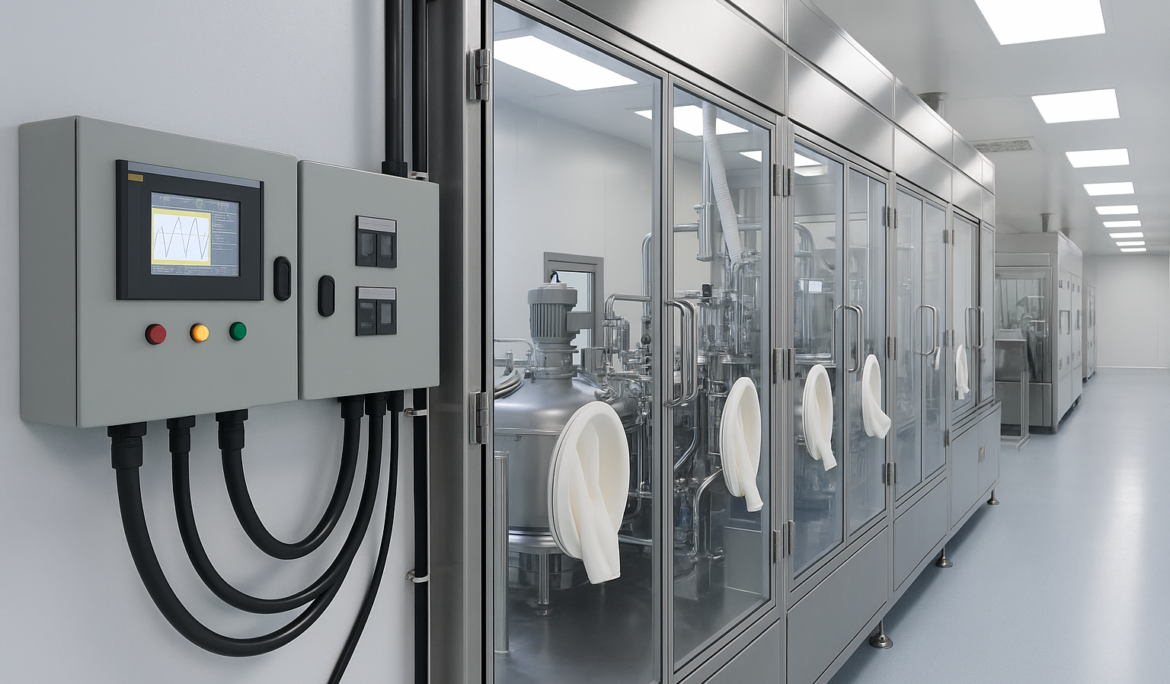
In a typical pharmaceutical plant, every parameter is monitored to the decimal — temperature, pressure, humidity, differential pressure, air changes, RH%, HEPA velocity, you name it. But one crucial variable often goes unchecked:The quality of electrical power feeding all those precision systems. The irony?Pharma plants depend on highly sensitive electronic equipment but operate on electrical networks designed 20 years ago for resistive loads and induction motors. The result is a growing gap between process precision and power stability. ⚠️ The Real Problems Pharma Facilities Are Facing These aren’t theoretical — they’re problems your electrical team has likely fought this year. …

Insulation Coordination: Engineering Grid Reliability Against Surges!!
The Overlooked Weak Point in Power Systems Every transmission and distribution (T&D) system is designed to carry thousands of amps of power but a single surge lasting just microseconds can silently stress insulation beyond its limit. Lightning surges can exceed 1,000 kV peak Switching surges during breaker operations often reach 2.5 p.u. (per unit) Even temporary overvoltages during faults progressively erode insulation life Without a proper Insulation Coordination (IC) study, these surges accumulate damage and leave the grid vulnerable to sudden failures. What Is Insulation Coordination? Insulation Coordination is the process of aligning the insulation strength of equipment with the …

26 Robots. 300 MWp. Zero Dust Losses Daily!
The solar industry is entering a new era. With the shift to high-efficiency 550 Wp modules and beyond, projects are producing more power per square meter than ever before. But while generation capacity has leapt forward, one silent factor continues to undermine performance: soiling losses. Dust, pollution, and dirt are no small threat. On modern high-wattage modules, even a thin layer of dust can reduce generation efficiency by 3–5% in a single day. For a 300 MWp utility-scale solar plant, that translates to millions of rupees in lost revenue annually. The bigger the plant, the higher the stakes. In this …

The BESS Failures No One Sees Coming – Until It’s Too Late!!
Battery Energy Storage Systems (BESS) are critical to the renewable energy transition, enabling grid stability, peak shaving, and energy arbitrage. However, beneath the promise of reliability lies an uncomfortable truth—many BESS failures are preventable but go unnoticed until they cause costly downtime or catastrophic damage. This article explores hidden risks in BESS safety, why failures often appear “sudden,” and how engineering best practices can eliminate them. Why BESS Failures Often Go Undetected A BESS failure rarely starts with an explosion or visible fault. Instead, small issues accumulate over time—minor heat build-up, uncoordinated protection settings, or skipped DC arc flash hazard …