
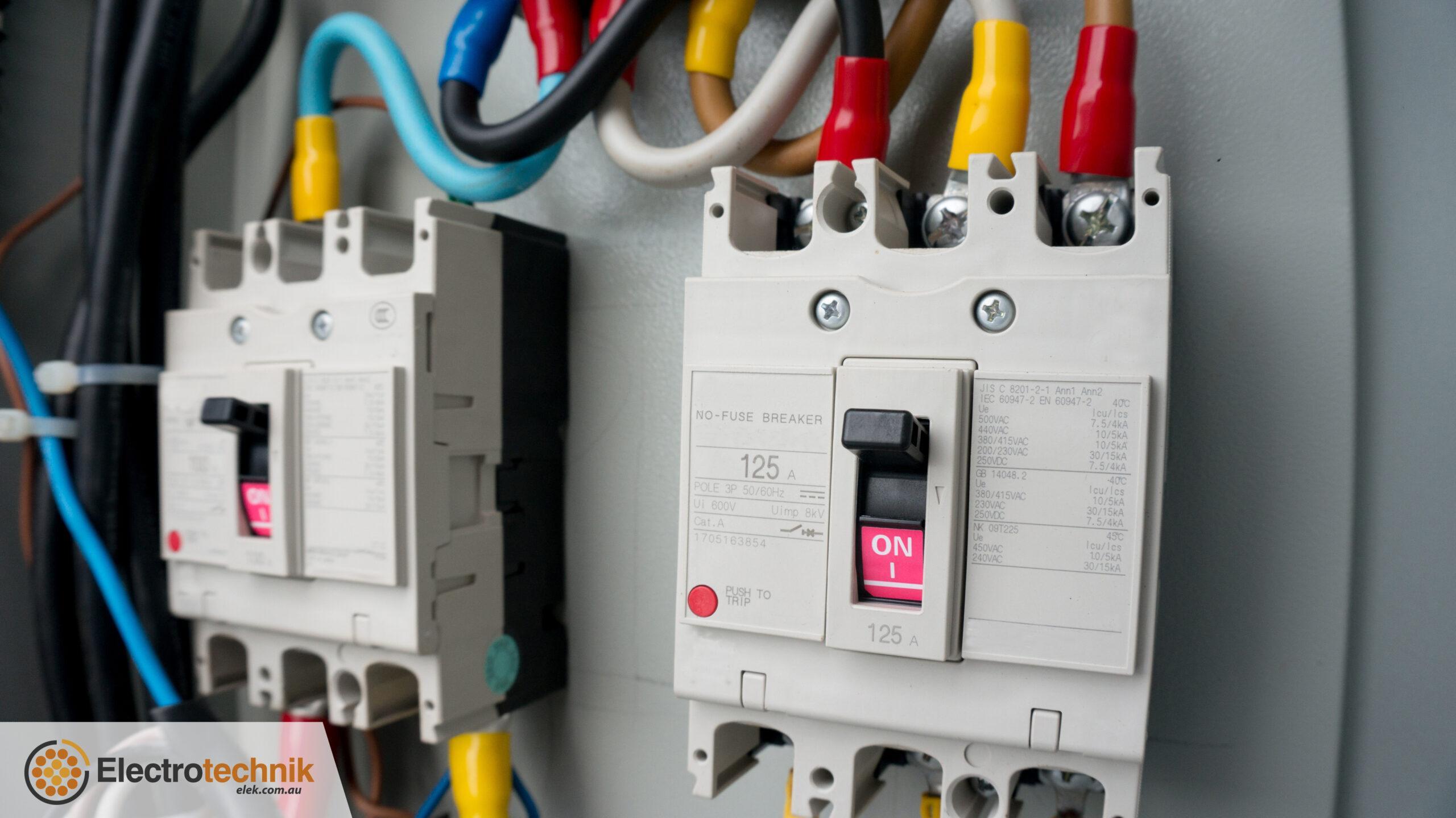
Key Technical Aspects of Relay Coordination to Minimize Arc Flash Risk
Selective Fault Isolation:
Proper relay coordination makes sure that only the closest relay to a fault trips, isolating the issue. In a radial distribution system, this approach prevents unnecessary tripping of upstream devices, reducing the risk of larger Arc Flash incidents. It also keeps other parts of the system energized, minimizing downtime.
Reducing Fault Clearing Time:
Arc Flash severity depends on how fast the fault clears. A well-coordinated relay system reduces the fault clearing time from a few hundred milliseconds to just a few cycles. This significant reduction lowers Arc Flash hazards, protecting both equipment and personnel.
Minimizing Incident Energy:
The duration and magnitude of the fault directly impact the Arc Flash intensity. With proper relay coordination, fault current magnitude is limited, reducing the incident energy. For example, relays set to trip within 30 milliseconds in high-risk areas like switchgear rooms drastically lower the energy released during a fault.
Compliance with NFPA 70E and IEEE 1584 Standards:
Proper relay coordination ensures compliance with NFPA 70E and IEEE 1584 guidelines. These adjustments reduce incident energy to below 8 cal/cm², which lessens the need for high-level PPE and improves workplace safety.
Preventing Nuisance Tripping:
A well-coordinated system prevents unnecessary tripping of multiple devices for a single fault. For example, in a well-coordinated setup, only the breaker nearest the fault trips, leaving the rest of the system running smoothly. This minimizes downtime and improves fault detection.
Improving Personnel Safety:
Arc Flash temperatures can exceed 35,000°F, posing serious risks to workers. Proper relay coordination reduces these risks by ensuring fast and accurate fault clearing. This keeps workers safer by reducing their exposure to dangerous Arc Flash energy levels.
Reducing Equipment Damage:
Quick fault isolation through proper relay coordination limits fault duration. For example, in a faulted transformer, quick isolation reduces the risk of catastrophic failure. This leads to fewer equipment breakdowns and lowers repair and replacement costs.
Steps to Optimize Relay Coordination
-
Time-Current Coordination Studies:
- Analyze time-current characteristics of protective devices to ensure proper relay coordination and selective fault isolation.
-
Arc Flash Risk Assessments:
- Conduct comprehensive assessments to identify high-risk areas and optimize relay settings to reduce Arc Flash hazards.
-
Regular Testing and Maintenance:
- Test and recalibrate relays to maintain coordination accuracy and ensure ongoing system protection.