


Power Quality: The Silent Variable in Pharma Product Quality!
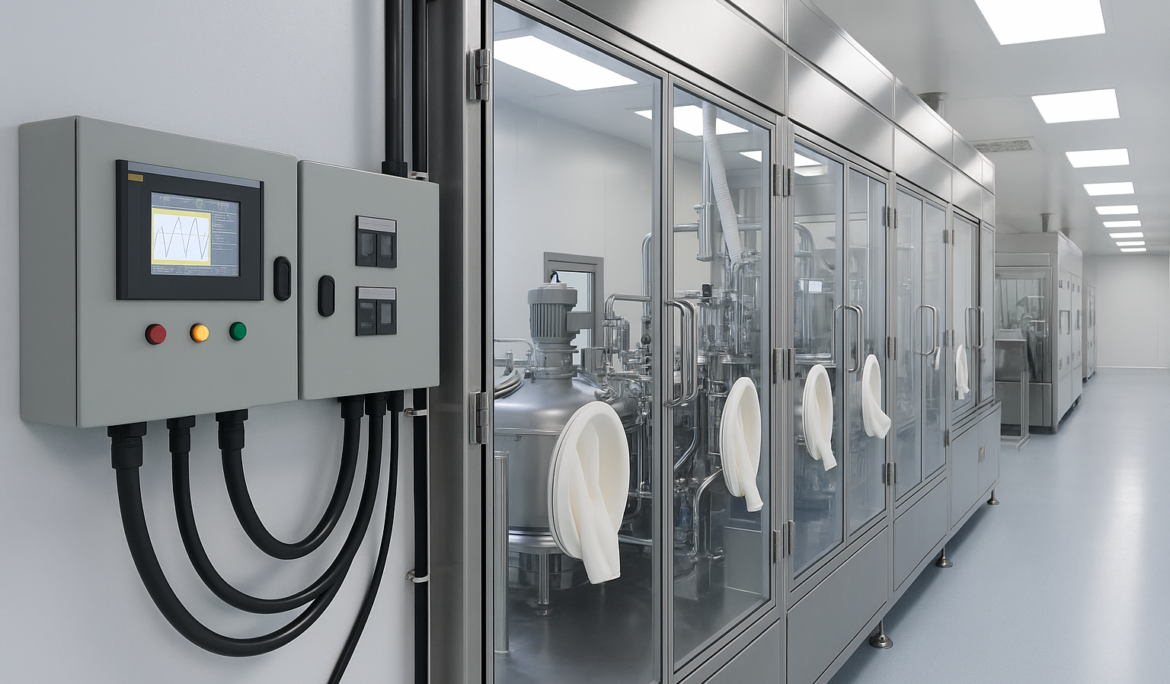
In a typical pharmaceutical plant, every parameter is monitored to the decimal — temperature, pressure, humidity, differential pressure, air changes, RH%, HEPA velocity, you name it. But one crucial variable often goes unchecked:The quality of electrical power feeding all those precision systems. The irony?Pharma plants depend on highly sensitive electronic equipment but operate on electrical networks designed 20 years ago for resistive loads and induction motors. The result is a growing gap between process precision and power stability. ⚠️ The Real Problems Pharma Facilities Are Facing These aren’t theoretical — they’re problems your electrical team has likely fought this year. …

Energy Audits in Manufacturing: Engineering Precision for Hidden Efficiency!!
In high-demand manufacturing plants—cement kilns, steel rolling mills, chemical reactors, pharma cleanrooms—energy isn’t just a cost, it’s an engineering constraint. Every megawatt drawn defines the capacity margin of transformers, the thermal stress on switchgear, and the stability of production processes. A technical energy audit goes beyond cost saving. It is about stress-testing the electrical and thermal backbone of the facility against inefficiencies that often operate below the radar of plant management. 1. Electrical Audit: Beyond Meter Readings Load Flow & Loss Mapping Modeling feeders and busbars using ETAP/DIgSILENT to quantify technical distribution losses (I²R + stray losses). Identifying circulating currents …

What Most Plants Miss During Monsoon: Critical Electrical Safety Gaps!!
The monsoon season brings more than rain, it brings electrical risk. From water ingress in control panels to corrosion-related failures, the rainy season silently creates conditions that threaten plant reliability, safety, and productivity. Yet, many plants feel “prepared” simply because they’ve done basic inspections. Here’s the truth: most industrial facilities miss key vulnerabilities that only show up under wet, humid, and volatile monsoon conditions. In this blog, we reveal the top overlooked risks and what you can do to stay protected. ⚠️ The Real Monsoon Risks Go Beyond Visible Leaks Most maintenance teams look for roof leaks, standing water, or …

The Arc Flash Risk Hidden in an Oil & Gas Plant
In high-energy environments like Oil & Gas facilities, electrical safety can never be an afterthought. Yet, many plants operate for years without a proper Arc Flash Analysis, putting both assets and personnel at serious risk. This case study walks you through a realistic scenario in a crude oil processing plant, where our team at Elegrow Technology Pvt. Ltd. identified and mitigated a hidden arc flash hazard before an accident could occur. The Site: Crude Oil Processing Unit, Western India Installed Load: 6.5 MW Voltage Levels: 33 kV / 11 kV / 415 V Power Sources: Dual 33 kV grid supply …

Is Your Plant Really Safe? Why Most Electrical Safety Audits in India Are Missing the Point!!
In India’s industrial sector, electrical safety audits are often seen as a basic inspection exercise. Most audits today – over 99% focus on Earthing System Health Assessment Lightning Protection Adequacy Study Thermography (thermal scanning) Verification of damaged cable insulation Detection of improper cable joints While these aspects are important, they only scratch the surface. What’s being missed? The design, evolution, and historical condition of the system. Superficial Audits Are Not Real Safety Audits In many industries, the term “safety audit” has become misunderstood. Most auditors today are focused on basic safety protocols: Are workers wearing safety shoes? Is the helmet …

Implementing Comprehensive Leak Management Programs: Best Practices and Case Studies for Industrial Plants
Air and gas leakages are silent profit drainers. Whether it’s compressed air or specialty gases, even a minor leak can lead to significant energy losses, safety risks, and production inefficiencies. Yet, many plants treat leak detection as a one-time job — rather than part of a structured maintenance approach. That’s where a Leak Management Program (LMP) comes into play — a systematic strategy to detect, document, prioritize, and repair leaks across an industrial facility. In this blog, we’ll walk through how to build an effective LMP, share best practices, and explore hypothetical case studies that show real-world results. What …

Load Flow Studies Are Not Optional: A Real-World Pharma Plant Scenario
In the pharmaceutical industry, precision, stability, and uninterrupted operations are non-negotiable. Yet, when it comes to electrical design, many facilities still underestimate the critical role of Load Flow Studies. Let’s walk through a real case from a pharma manufacturing plant where skipping proper load flow analysis led to multiple operational issues – all of which could have been avoided with a structured power system study. The Scenario: Mid-Sized Injectable Pharma Plant – Gujarat Total Installed Load: 2.5 MW Power Sources: 11 kV Utility Supply + 500 kVA DG Backup Critical Loads: Cleanroom AHUs, Compressors, Water Purification, Packaging Lines Key Issue: …

Transforming Electrical Safety and Reducing Costs at a Pharmaceutical Company!!
Introduction A Leading Pharmaceutical Manufacturing Facility faced ongoing electrical safety concerns and rising maintenance costs. Seeking a solution, they partnered with Elegrow Technology Pvt. Ltd. for a comprehensive electrical safety audit. Challenge A Pharmaceuticals facility had experienced several electrical safety incidents over the past year, leading to unplanned downtime and significant repair expenses. Their goal was to enhance safety standards, ensure compliance with regulations, and reduce overall maintenance costs. Solution: Elegrow Technology Pvt. Ltd. conducted a thorough electrical safety audit, which included: Visual Inspections: Identified visible signs of wear, tear, and potential hazards in electrical installations. Testing of Protective Devices: …
Enhancing Chemical Plant Safety: The Cutting-Edge Role of Acoustic Detection Technologies!!
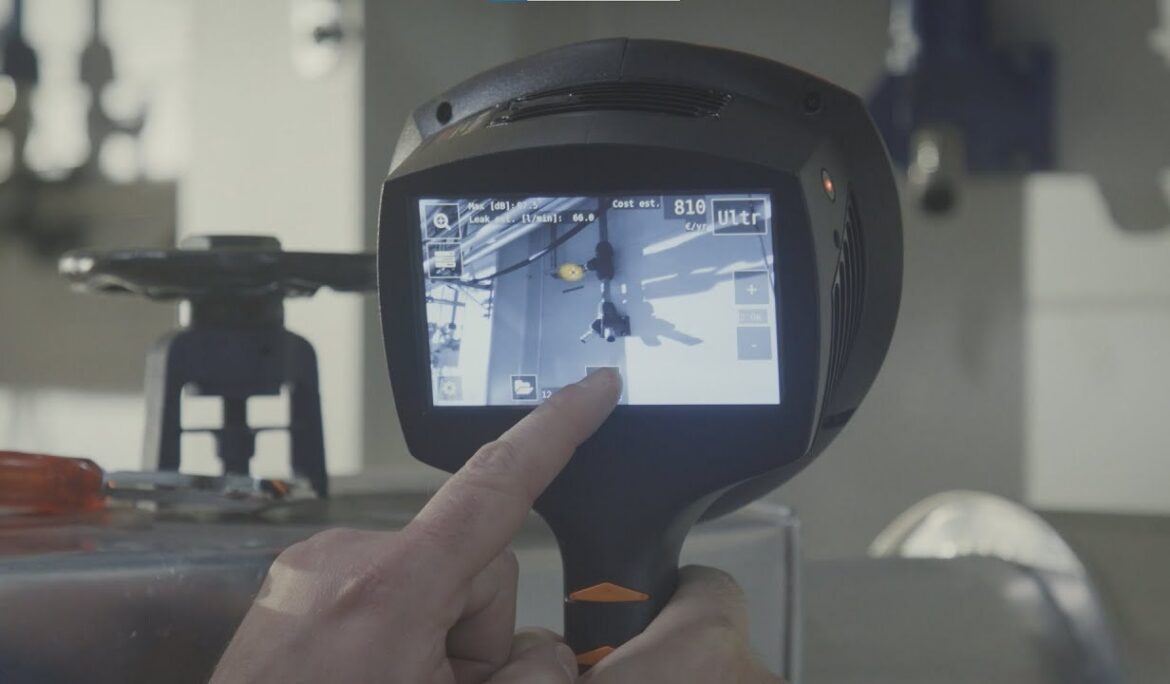
In the dynamic environment of chemical industries, ensuring the safety of workers is paramount. With the presence of hazardous substances, the potential for accidents looms large, necessitating innovative solutions for early detection and prevention. One such groundbreaking approach is the utilization of acoustic detection technology. This blog explores the technical aspects of how acoustic detection systems can be leveraged to enhance worker safety in chemical manufacturing plants. Understanding Acoustic Detection Acoustic detection technology relies on the principle of sound analysis to identify potential hazards. By continuously monitoring ambient noise levels and analyzing sound patterns, these systems can detect irregularities that …

Optimizing Electrical Safety: Innovative Earthing Strategies for Hazardous Areas in India’s Manufacturing Sector
Introduction: In the complex landscape of the Indian manufacturing industry, which spans sectors like chemicals, petrochemicals, pharmaceuticals, and power generation, the implementation of advanced earthing systems in hazardous areas is paramount. Hazardous areas, characterized by the potential presence of flammable gases, vapors, or dust, necessitate earthing systems designed to mitigate the risk of ignition and ensure the safety of both personnel and equipment. This technical discourse delves into the sophisticated earthing practices essential for hazardous zones, aligning with Indian and international standards for engineering departments tasked with safeguarding operational integrity. Fundamentals of Earthing in Hazardous Areas: Earthing, the process of …