



Energy Audits in Manufacturing: Engineering Precision for Hidden Efficiency!!
In high-demand manufacturing plants—cement kilns, steel rolling mills, chemical reactors, pharma cleanrooms—energy isn’t just a cost, it’s an engineering constraint. Every megawatt drawn defines the capacity margin of transformers, the thermal stress on switchgear, and the stability of production processes. A technical energy audit goes beyond cost saving. It is about stress-testing the electrical and thermal backbone of the facility against inefficiencies that often operate below the radar of plant management. 1. Electrical Audit: Beyond Meter Readings Load Flow & Loss Mapping Modeling feeders and busbars using ETAP/DIgSILENT to quantify technical distribution losses (I²R + stray losses). Identifying circulating currents …

Dispelling Energy Audit Myths: What It Truly Is & Isn’t for Your Business!!
In today’s rapidly evolving energy landscape, optimizing consumption isn’t just a trend—it’s a strategic imperative. Yet, despite the growing emphasis on energy efficiency, the concept of an energy audit often remains shrouded in misconceptions. Many businesses and facilities shy away, operating under false pretenses about what this critical service entails. At Elegrow Technology Pvt. Ltd., we believe in clarity and precision. Let’s dismantle the common myths surrounding professional energy audits and illuminate what they truly are: a powerful tool for informed decision-making, significant cost savings, and sustainable growth. Myth #1: An Energy Audit is Just About Fixing Leaky Windows and …

What Most Plants Miss During Monsoon: Critical Electrical Safety Gaps!!
The monsoon season brings more than rain, it brings electrical risk. From water ingress in control panels to corrosion-related failures, the rainy season silently creates conditions that threaten plant reliability, safety, and productivity. Yet, many plants feel “prepared” simply because they’ve done basic inspections. Here’s the truth: most industrial facilities miss key vulnerabilities that only show up under wet, humid, and volatile monsoon conditions. In this blog, we reveal the top overlooked risks and what you can do to stay protected. ⚠️ The Real Monsoon Risks Go Beyond Visible Leaks Most maintenance teams look for roof leaks, standing water, or …

Monsoon Electrical Safety Checklist for Engineering & Maintenance Teams!!
Monsoon Electrical Safety Checklist For Engineering & Maintenance Teams – Prepared by Elegrow Technology Pvt. Ltd. 1. Panel & Equipment Safety Task Status (✓/✗) Notes Check for water seepage points near electrical panels, switchboards, and control rooms Ensure all outdoor panels are IP-rated and properly sealed Perform IR (Insulation Resistance) testing on all critical circuits Inspect panels for condensation or internal humidity Verify thermal scanning has been done to detect hot spots Clean and tighten all cable terminations inside panels 2. Earthing & Grounding System Task Status (✓/✗) Notes Measure earth resistance of all pits and ensure values …

Is Your Plant Really Safe? Why Most Electrical Safety Audits in India Are Missing the Point!!
In India’s industrial sector, electrical safety audits are often seen as a basic inspection exercise. Most audits today – over 99% focus on Earthing System Health Assessment Lightning Protection Adequacy Study Thermography (thermal scanning) Verification of damaged cable insulation Detection of improper cable joints While these aspects are important, they only scratch the surface. What’s being missed? The design, evolution, and historical condition of the system. Superficial Audits Are Not Real Safety Audits In many industries, the term “safety audit” has become misunderstood. Most auditors today are focused on basic safety protocols: Are workers wearing safety shoes? Is the helmet …
Preventing Electrical Fires in India: Essential Safety Standards and Practices!!
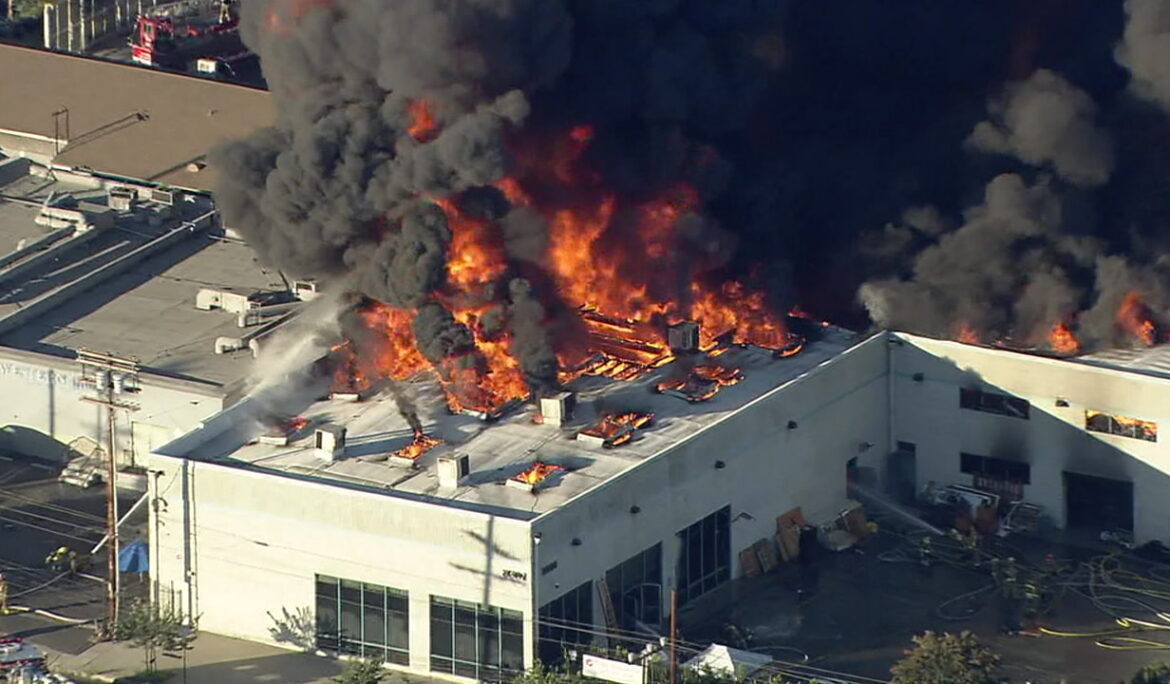
Electrical safety is a critical concern in India, where electrical malfunctions frequently lead to fires, resulting in significant loss of life and property. Understanding the causes of these incidents and adhering to established safety standards are vital steps toward mitigating such risks. The Alarming Statistics Electrical fires and accidents remain a pressing issue in India. From July to December 2023, 112 fire incidents were reported across the country, resulting in 131 fatalities and 164 injuries. Notably, electrical short circuits were identified as the primary cause in 58 of these incidents. Common Causes of Electrical Fires in India Several factors …

Top 5 Electrical Hazards You Need to Know!!
Arc Flash An arc flash is a dangerous release of energy caused by an electrical fault. It can result in severe injuries, burns, and even fatalities. It occurs when an electrical current leaves its intended path and travels through the air from one conductor to another or to the ground. This can result in a sudden, explosive release of energy, creating a flash of light, intense heat, and pressure, which can cause severe injury or damage. Key factors contributing to arc flashes include: Equipment failure Human error Inadequate maintenance Mitigation Strategies: Conduct regular Arc Flash studies to assess risk levels. …

Mitigating the Risk of Static Electricity through Safety Audits: A Technical Perspective!!
In the industrial sector, particularly within environments handling flammable materials or operating in explosive atmospheres, the risk posed by static electricity cannot be overstated. Static electricity, a charge imbalance that can occur on the surfaces of materials, has the potential to ignite flammable substances, leading to catastrophic accidents. Safety audits play a crucial role in identifying and mitigating these risks, ensuring a safer workplace. This technical content delves into how safety audits can effectively reduce the risk of static electricity. Understanding Static Electricity in Industrial Settings Static electricity is generated through processes such as friction, separation, and induction, common in …

Optimizing Energy Efficiency: Advanced Strategies After an Energy Audit!!
Following a comprehensive energy audit, the path to enhancing energy efficiency requires a focused, technical approach. This blog delves into sophisticated strategies for optimizing energy use post-audit, offering a blend of technical insights and actionable steps tailored for facilities keen on achieving peak energy performance. Strategic Implementation of Audit Recommendations A detailed energy audit outlines specific inefficiencies and potential areas for improvement. The key to maximizing energy savings lies in a strategic, phased implementation of these recommendations. Prioritize actions based on their energy-saving potential versus implementation complexity. For instance, upgrading to high-efficiency motors or implementing energy recovery systems in HVAC …

Optimizing Electrical Safety: Innovative Earthing Strategies for Hazardous Areas in India’s Manufacturing Sector
Introduction: In the complex landscape of the Indian manufacturing industry, which spans sectors like chemicals, petrochemicals, pharmaceuticals, and power generation, the implementation of advanced earthing systems in hazardous areas is paramount. Hazardous areas, characterized by the potential presence of flammable gases, vapors, or dust, necessitate earthing systems designed to mitigate the risk of ignition and ensure the safety of both personnel and equipment. This technical discourse delves into the sophisticated earthing practices essential for hazardous zones, aligning with Indian and international standards for engineering departments tasked with safeguarding operational integrity. Fundamentals of Earthing in Hazardous Areas: Earthing, the process of …