



BESS Grid Integration Studies: How to Verify Grid Stability, Security and Reliable Energy Delivery Before Procurement
A practical guide for developers and EPCs to define BESS grid-study scope, assess stability and security needs, and align supplier guarantees with commissioning tests. …
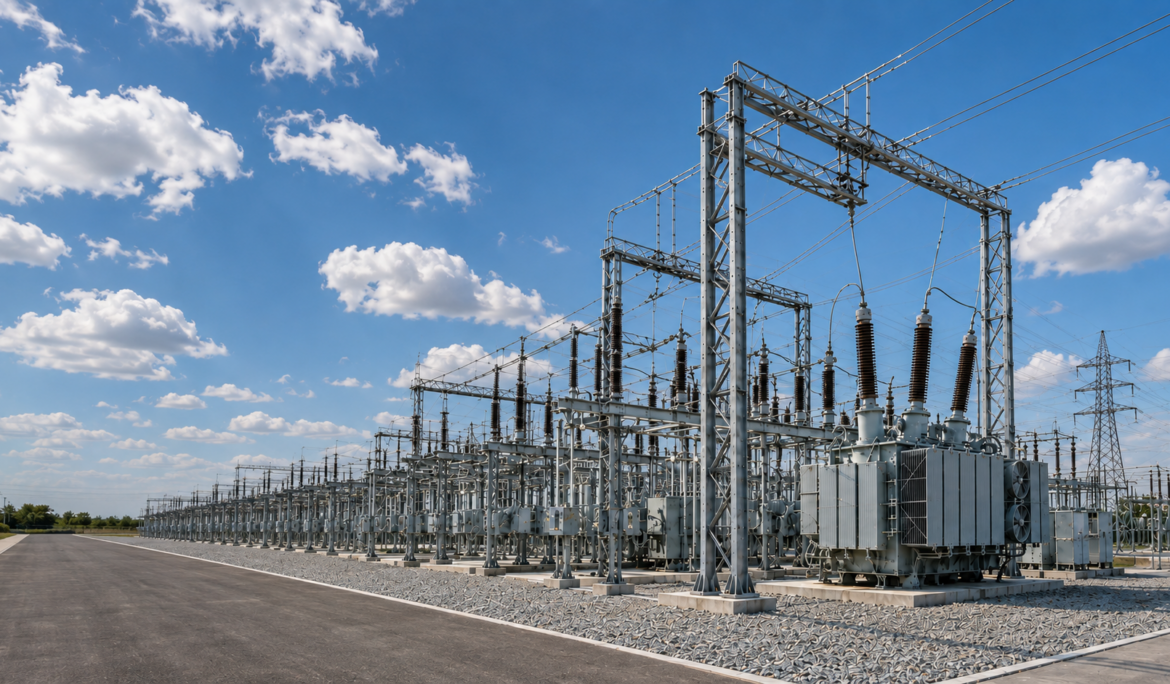
Substation Engineering Capacity Without Losing Design Control
Substation engineering capacity becomes difficult to manage when vendor data, protection requirements, civil inputs and utility comments arrive at the same time. Multiple packages may be approaching 30%, 60%, 90% or issue-for-construction (IFC) milestones while the same internal engineers review calculations, resolve interfaces and support active projects. Adding engineering resources can help, but additional hours do not automatically create additional capacity. The delivery model must define package boundaries, design inputs, interfaces, review responsibilities and decision authority. That structure lets an owner or EPC team increase production while retaining control of the design basis and approvals. Engineering Takeaway More Drawing Hours …
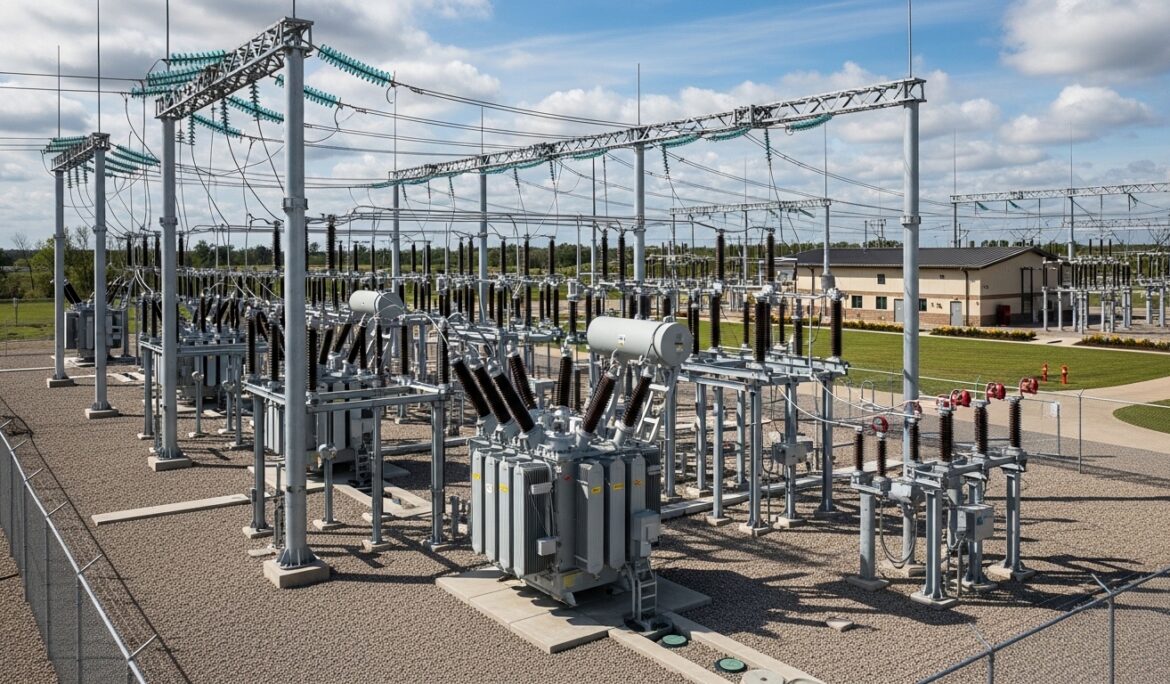
Substation and Switchyard Design for Future Expansion: Technical Gaps That Create Cost Overruns!!
Most substations are engineered for immediate commissioning requirements. Very few are engineered for future expansion. This oversight leads to forced outages, protection redesign, earthing upgrades, trench congestion, and significant capital rework during capacity augmentation. In EHV and renewable pooling substations, expansion is not optional it is inevitable. This article addresses the technical parameters that must be engineered correctly during initial design to avoid lifecycle cost escalation. 1. Busbar Scheme Selection: Engineering vs Budget-Driven Decisions Busbar scheme selection is frequently driven by initial CapEx constraints rather than outage philosophy and future scalability. Common Technical Risk Single bus scheme selected for cost reduction …
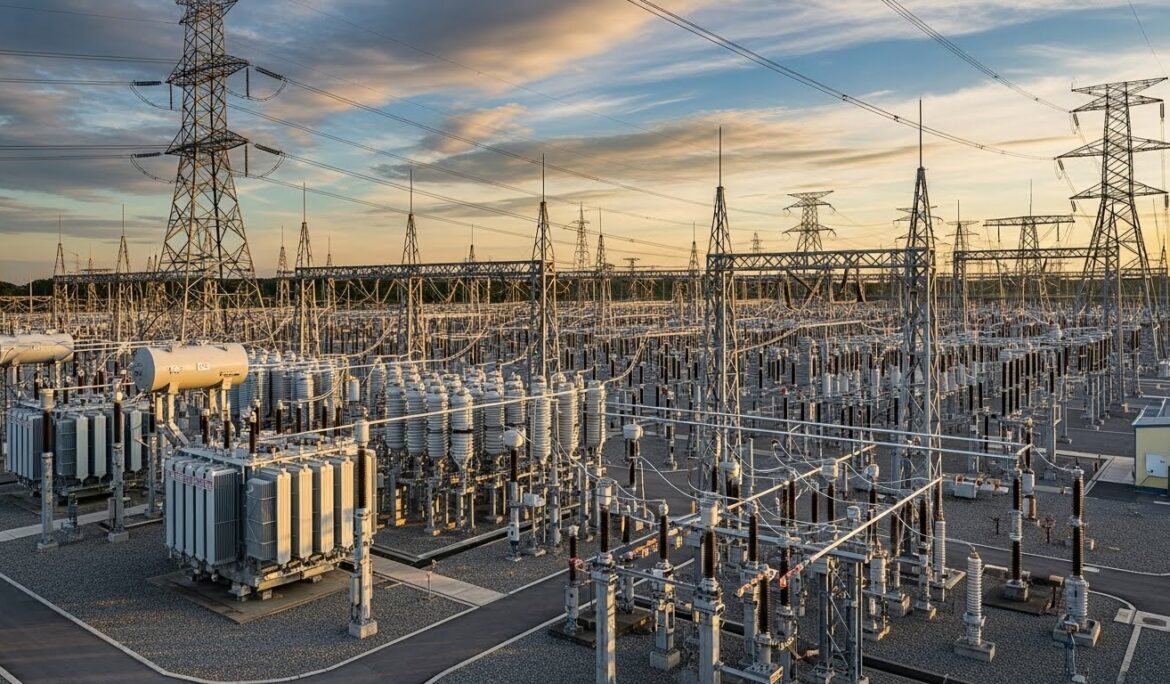
The Hidden Design Assumptions That Cause Switchyard Substation and Transmission Line Failures Years After Commissioning
Switchyard substations and transmission lines are typically designed in strict adherence to IEC, IEEE, IS, and utility-specific standards. On paper, these designs are compliant, approved, and ready for execution. Yet in practice, many such systems experience: Recurrent outages Insulation and protection issues Operational inflexibility Premature performance limitations This raises an important question for designers and utilities alike: Why do technically compliant designs still struggle under real grid conditions? This article explores that gap focusing on engineering judgment beyond standards, and on the design considerations that directly influence long-term reliability and grid performance. Standards Define the Framework Engineering Defines Performance Electrical …

Electrical Safety Audit for Smart Grids and Microgrids: Enhancing Reliability and Safety!!
The evolution of power distribution through smart grids and microgrids promises enhanced efficiency and renewable energy integration. However, this technological advancement brings complexities that necessitate rigorous electrical safety audits. These audits are crucial for verifying the integrity, safety, and compliance of these advanced power systems. Understanding Electrical Safety Audits: An electrical safety audit in the context of smart grids and microgrids is a comprehensive evaluation. It encompasses not just the hardware but also the software components and operational procedures. This holistic approach is vital in addressing the unique challenges posed by these technologically advanced systems. The Necessity of …

What’s the Procedure for Relay Testing in an Electrical Substation?
The electrical substation is crucial to electrical distribution, generation, and transmission. One of its critical tasks is to step down the voltage in transmission lines to ensure the voltage’s suitability and safety for the distribution grid. Substation design services can help test your system to ensure a well-planned layout that can increase safety and prevent unwanted accidents. About relay testing Relay testing an electrical substation ensures an accurate and efficient system. Service providers conduct relay testing based on the system’s function, size, and design. They test relays to ensure proper connections and verify the correct settings on the relays for correct functioning. …

The Growing Importance of Smart Grid Consulting
The smart grid is an innovative electric grid that allows the two-way flow of data and electricity between consumers and power utility providers. Unlike standard electric grids, it is an electricity network based on digital technology and driven by connectivity, communication, and automation. More and more organizations are seeking smart grid consulting services to become energy-independent, with a resilient and reliable power source that can save money and drive enhanced energy use decisions. Do you need it? A smart grid is critical to the global energy transition as it helps sustain long-term economic growth and provides clean energy while enabling companies to …
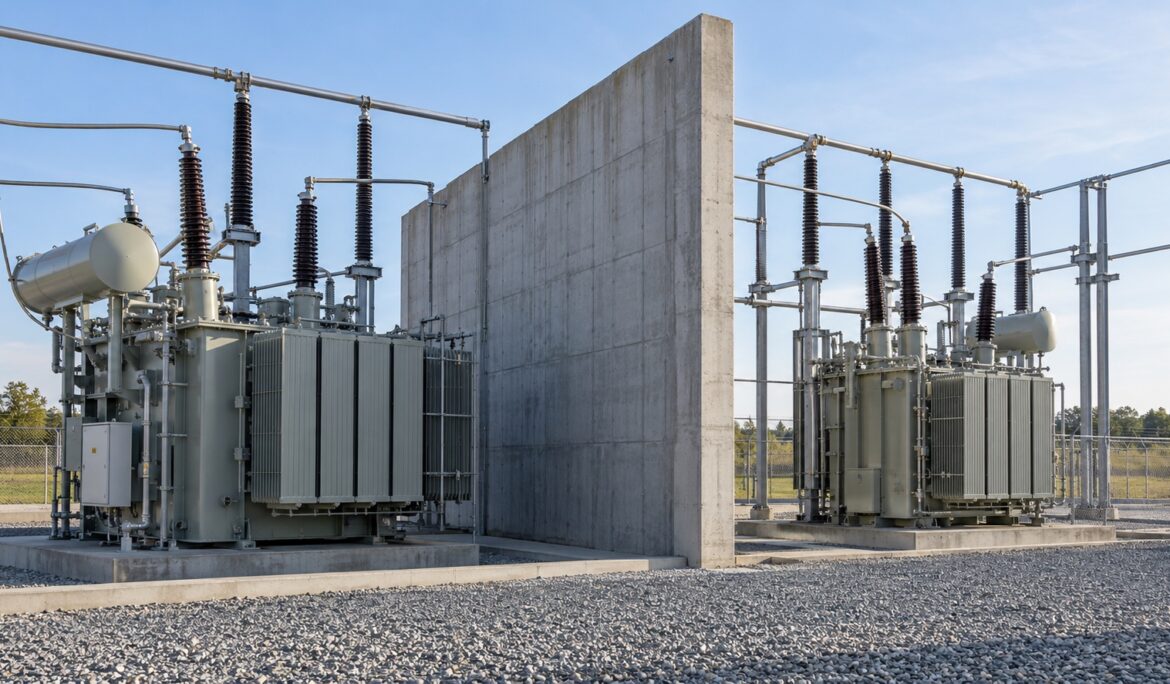
Transformer Firewall Requirements: A Practical Design Guide
Understand transformer fire separation, the CEA regulatory basis and the inputs needed for a coordinated firewall design. …
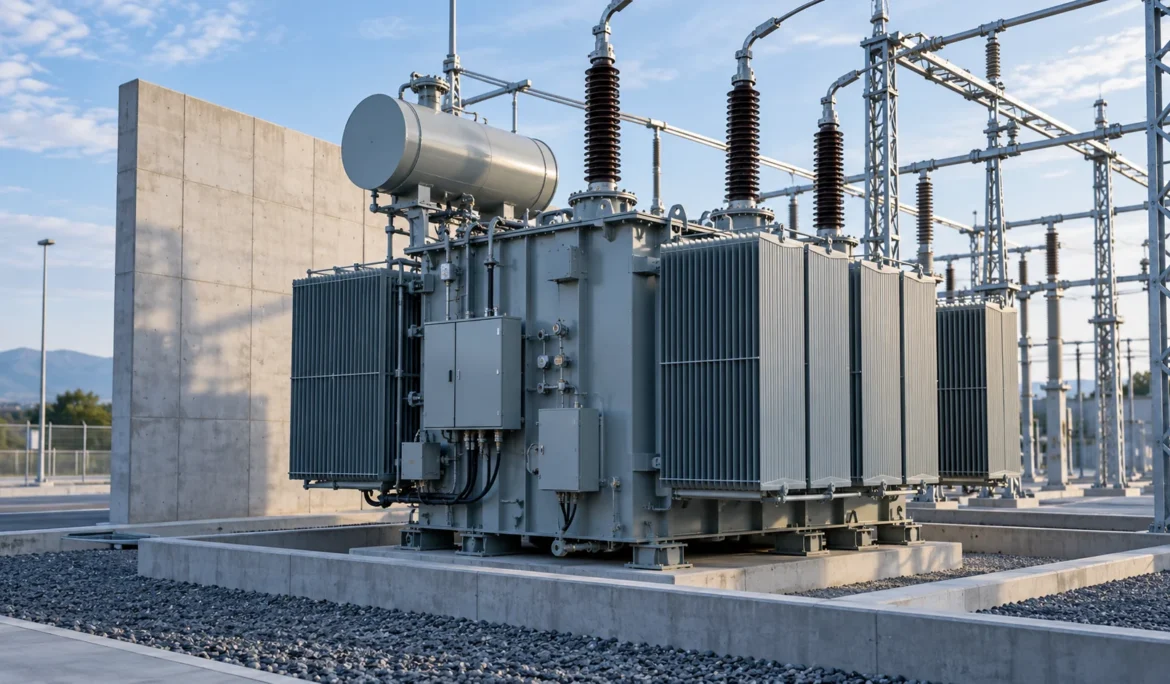
Transformer Oil Soak Pits: Requirements and Design Inputs
When transformer oil containment is required, which CEA references apply, and what to confirm before sizing the pit. …