


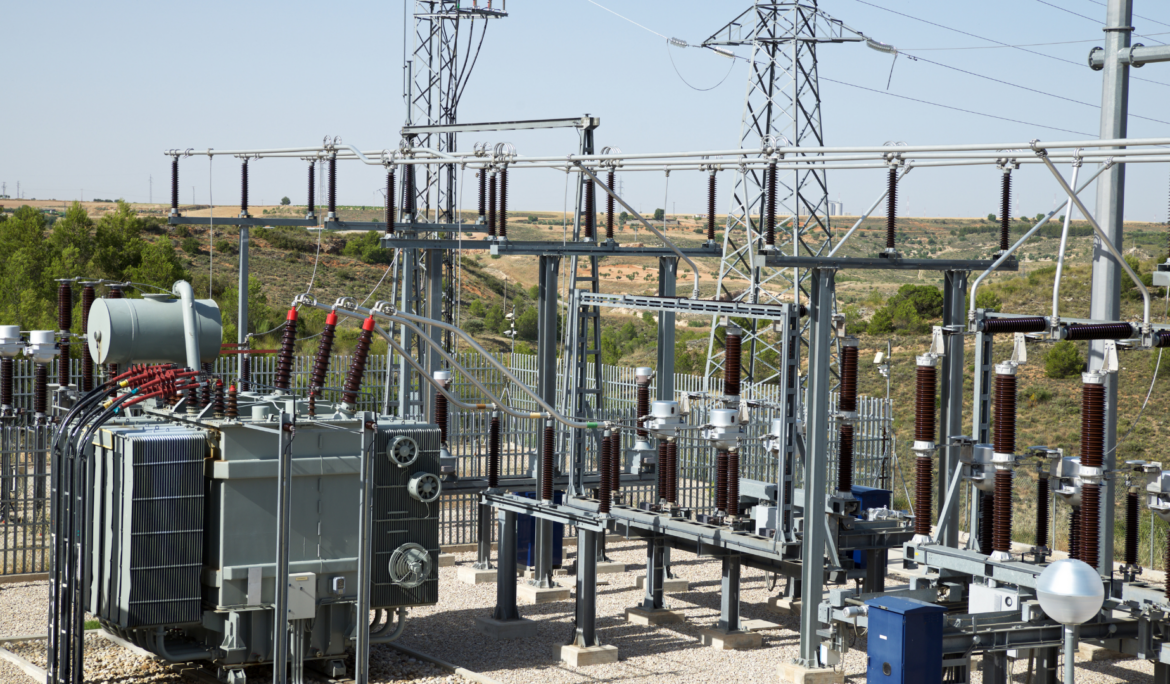
Skipping Insulation Coordination? Here’s Why It Could Cost You Millions!
Why Insulation Coordination Studies Are Essential for Electrical Systems Most EPCs assume that standard insulation levels are sufficient for power systems. However, electrical networks operate in dynamic environments where transient overvoltages from lightning strikes, switching surges, and faults can stress insulation beyond its rated limits. Skipping an Insulation Coordination Study (ICS) may lead to equipment failure, unplanned downtime, and increased maintenance costs. This blog explores the importance of insulation coordination, provides technical insights, and highlights industry statistics that emphasize why this study should be a standard practice in every EPC project. What Is Insulation Coordination? Insulation Coordination is the process …

Are You Tracking Hidden Energy Losses?
Every 1% Efficiency Loss = Reduced ROI Energy efficiency is the backbone of a profitable and sustainable industrial operation. Yet, many plants operate with hidden energy losses that go undetected, leading to increased operational costs and decreased return on investment (ROI). If your plant isn’t optimized, you’re leaving money on the table. A well-structured energy audit helps identify and rectify these inefficiencies, improving both performance and profitability. This blog explores different types of energy losses, their sources, and how to mitigate them effectively. Types of Energy Losses in Industrial Plants Electrical Losses Power Quality Issues: Harmonics, voltage fluctuations, and poor …

Why Panel Cleaning Alone Won’t Maximize Your Solar Returns?
Many solar plant operators believe that regular solar panel cleaning is enough to maintain peak energy output. While cleaning improves short-term efficiency, it does not prevent panel degradation, inverter failures, DC cable faults, or weather-related damage. Without a strong solar asset management strategy, even spotless solar panels can underperform, leading to unexpected failures and financial losses. Why Cleaning Isn’t Enough for Long-Term Solar Performance Consider a 100 MW solar power plant located in a high-dust region. The operator uses automated robotic cleaning every week to reduce dust accumulation. After each session, the solar energy output increases by 10% to 20%. …

Why Technical Procurement Fails in Solar EPC & How to Fix It!!
Procurement in solar PV projects is not just about purchasing components; it is about ensuring that the right specifications, quantities, and delivery schedules align with execution requirements. A lack of technical competency in procurement teams and inadequate site exposure among design engineers often leads to major inefficiencies. These inefficiencies manifest as design mismatches, procurement sequencing errors, and project delays, significantly impacting project viability. Design Engineering vs. Site Reality Issue: Design engineers develop technical specifications without visiting sites, leading to impractical or incompatible requirements. Lack of understanding of panel handling, transportation constraints, and installation feasibility results in procurement errors. Incorrect specification …

Step-by-Step BOQ for Battery Energy Storage Systems (BESS)!!
In the rapidly evolving energy landscape, Battery Energy Storage Systems (BESS) play a pivotal role in stabilizing grids, optimizing renewable energy, and ensuring energy reliability. A well-structured Bill of Quantities (BOQ) is essential for the seamless design, procurement, and installation of a BESS. This blog presents a detailed BOQ framework tailored to the Indian market, ensuring all critical aspects of the system are accounted for. 1. Battery System Item Description Quantity Unit Remarks Battery Cells Lithium-ion (or other types) As per design MWh Specify type (LFP, NMC, etc.) Battery Racks Modular racks for housing cells As per design Set …

Navigating the Challenges of Grid Code Compliance in India’s Renewable Energy Era!!
India’s energy sector is witnessing a transformative shift with an ambitious push toward integrating renewable energy sources into the grid. While this transition supports global sustainability goals, it also brings forth several technical and operational challenges related to grid code compliance. Below is an exploration of these challenges and their implications for India’s power system operations. 1. Integration of Renewable Energy Sources India has set ambitious renewable energy targets of 175 GW by 2022 and 450 GW by 2030. While these targets signify progress toward a sustainable energy future, the intermittent nature of renewable energy sources, such as solar and …

Key Scenarios for Conducting Grid Code Studies in India: A Compliance Guide!!
In India, conducting a grid code study is essential to ensure that all entities connected to the grid comply with the technical standards and operational requirements set forth by regulatory authorities. The Indian Electricity Grid Code (IEGC) outlines specific scenarios when such studies should be carried out: During Connection of New Generators or Facilities to the Grid: Why: To ensure that new equipment, such as generators or renewable energy systems, meets the technical standards for grid connectivity. What: Compliance checks for voltage levels, frequency control, fault ride-through capability, harmonic distortion, reactive power support, and other grid requirements. Reference: IEGC, Chapter …

Comprehensive Testing Checklist for Grid Code Compliance in India!!
In India, grid code compliance ensures that power generating units and plants operate in harmony with the national grid, maintaining stability and reliability. The Central Electricity Authority (CEA) and the Central Electricity Regulatory Commission (CERC) have established specific standards and regulations that outline the necessary studies and requirements for grid code compliance. Key studies and assessments include: Reactive Power Capability Study Description: Evaluates the ability of a power generating unit to supply dynamically varying reactive power, maintaining a power factor within the limits of 0.95 lag to 0.95 lead at the Point of Interconnection (POI). Clause: CEA Technical Standards for …

Debunking Solar Panel Cleaning Myths: Essential Facts for Optimal Performance!!
Solar module cleaning is essential for maintaining efficiency and maximizing energy yield, yet several misconceptions persist, leading to poor practices or unnecessary costs. This blog tackles these myths with facts grounded in science and field data, helping you make informed decisions for optimal solar plant performance. Myth 1: Rain Cleans Solar Panels Effectively Fact: Rain removes loose dust but cannot clean stubborn contaminants like bird droppings, grease, or hardened dirt. Studies show that reliance on rain alone can reduce annual energy output by up to 20% in dusty regions. Regular professional cleaning ensures optimal sunlight absorption and energy production, keeping …

Technical Insights: Power System Studies for Renewable Energy Integration!!
Renewable energy systems, such as solar and wind, are the future of global power generation. However, their integration into existing electrical grids comes with unique challenges that demand meticulous planning and technical expertise. A well-executed power system study is the cornerstone of ensuring these systems operate safely, efficiently, and reliably. Let’s explore the technical aspects, challenges, solutions, and myths that make power system studies indispensable for renewable energy projects. Why Power System Studies Are Crucial for Renewable Energy The electrical grid was traditionally designed for centralized power generation. Renewables, being decentralized and intermittent in nature, introduce complexities like voltage fluctuations, …