



BESS Grid Integration Studies: How to Verify Grid Stability, Security and Reliable Energy Delivery Before Procurement
A practical guide for developers and EPCs to define BESS grid-study scope, assess stability and security needs, and align supplier guarantees with commissioning tests. …
Why BESS Interconnection Studies Get Rejected—and What Reviewers Expect Instead!!
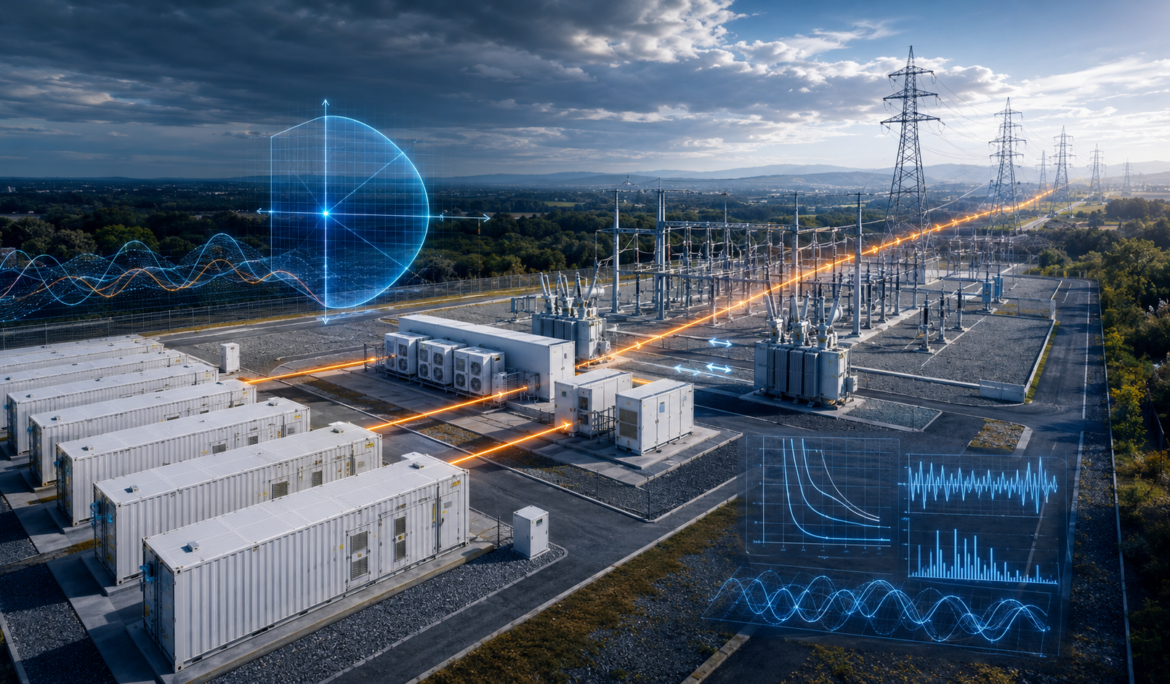
A BESS Interconnection Study Doesn’t Get Rejected at Random MISO’s queue holds roughly 50 GW of BESS capacity inside a 650 GW total backlog. PJM and CAISO show comparable ratios. FERC Order No. 2023 fixed the process side. It created first-ready, first-served cluster studies, set tighter statutory timelines, and let co-located storage and generation share one interconnection request at a single point of interconnection. It didn’t fix the technical quality of what developers submit. A restudy trigger doesn’t care how good the cluster study framework is. It cares whether the fault current model, protection scheme, and dynamic voltage data hold …

Battery Storage Grid Connection: 5 Checks for Developers and EPCs
Five practical checks help battery storage developers and EPCs align operating plans, grid requirements, equipment and acceptance evidence before design freeze. …

Grid Impact Studies for Renewable & Industrial Connections in Saudi Arabia and the USA
A Practical Guide with DIgSILENT PowerFactory As renewable energy, battery storage, and large industrial loads accelerate across Saudi Arabia and the United States, grid connection is no longer a formality, it is a technical and regulatory bottleneck. Utilities and system operators now require comprehensive Grid Impact Studies (GIS) before approving any new connection to transmission or distribution networks. To meet these expectations efficiently and credibly, engineering teams are increasingly standardizing on DIgSILENT PowerFactory a proven platform for utility-grade power system studies across renewables, BESS, and industrial facilities. This guide explains what Grid Impact Studies involve, how requirements differ between Saudi …

Grid Code Compliance Deep Dive: How the USA, Germany, South Africa & Australia Define Protection Standards!!
In today’s rapidly evolving power ecosystem defined by DER integration, inverter-based resources, utility digitalization, and aggressive decarbonization mandates grid code compliance and relay coordination have become mission-critical. Developers, EPCs, IPPs, and utilities across the USA, Germany, South Africa, and Australia are under mounting pressure to meet stringent regulatory frameworks while ensuring system stability, cybersecurity resilience, and interoperability. This guide provides a technically sound breakdown of regional requirements, emerging trends, and best-practice engineering methodologies. Why Grid Code Compliance Is Non-Negotiable in Modern Power Systems Global transmission operators are tightening compliance enforcement as networks experience unprecedented operational volatility. Key drivers include: High-penetration …
Power Quality: The Silent Variable in Pharma Product Quality!
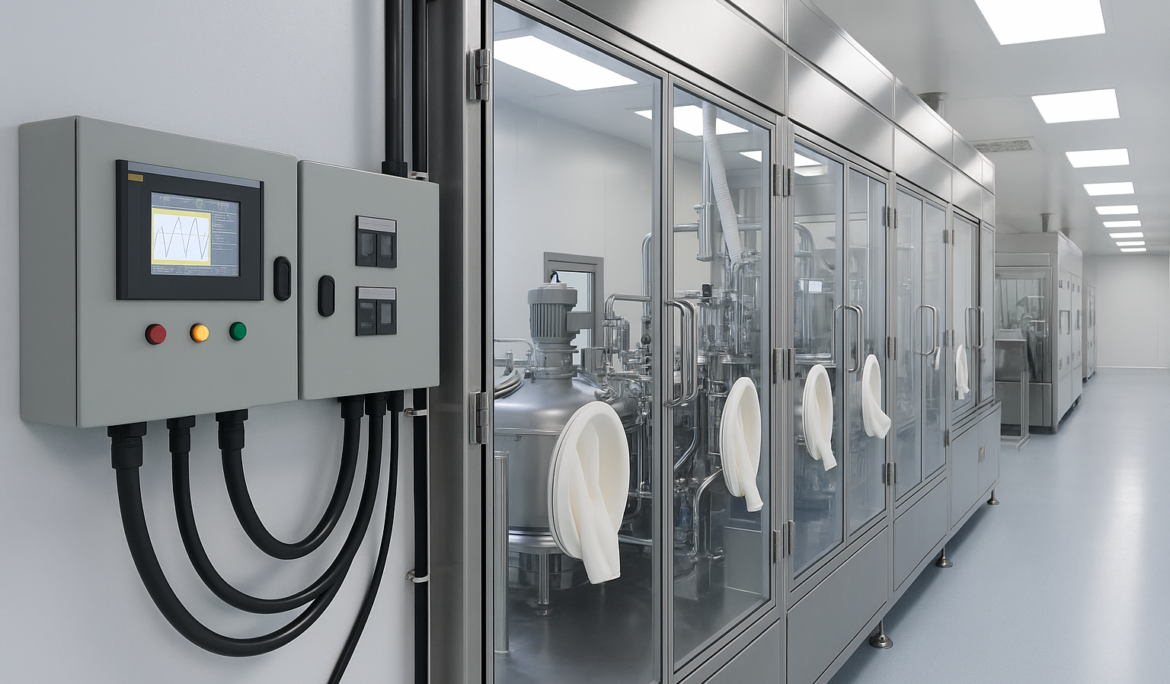
In a typical pharmaceutical plant, every parameter is monitored to the decimal — temperature, pressure, humidity, differential pressure, air changes, RH%, HEPA velocity, you name it. But one crucial variable often goes unchecked:The quality of electrical power feeding all those precision systems. The irony?Pharma plants depend on highly sensitive electronic equipment but operate on electrical networks designed 20 years ago for resistive loads and induction motors. The result is a growing gap between process precision and power stability. ⚠️ The Real Problems Pharma Facilities Are Facing These aren’t theoretical — they’re problems your electrical team has likely fought this year. …

Insulation Coordination: Engineering Grid Reliability Against Surges!!
The Overlooked Weak Point in Power Systems Every transmission and distribution (T&D) system is designed to carry thousands of amps of power but a single surge lasting just microseconds can silently stress insulation beyond its limit. Lightning surges can exceed 1,000 kV peak Switching surges during breaker operations often reach 2.5 p.u. (per unit) Even temporary overvoltages during faults progressively erode insulation life Without a proper Insulation Coordination (IC) study, these surges accumulate damage and leave the grid vulnerable to sudden failures. What Is Insulation Coordination? Insulation Coordination is the process of aligning the insulation strength of equipment with the …

AI-Driven Electrical Safety: How Predictive Analysis is Reshaping Arc Flash and Power Quality Assessments!!
In industrial environments especially in sectors like pharmaceuticals, oil & gas, chemicals, and manufacturing, electrical failures can cause severe equipment damage, downtime, and pose serious life-threatening hazards. Among the most critical are arc flash incidents and power quality (PQ) disturbances. Traditionally, arc flash studies and PQ monitoring have been performed periodically using historical data and assumptions. However, with the advent of AI (Artificial Intelligence) and machine learning algorithms, the landscape is changing. Industries now have the opportunity to shift from static safety practices to real-time predictive electrical safety systems bringing a new level of reliability, uptime, and operational efficiency. Arc …

The Arc Flash Risk Hidden in an Oil & Gas Plant
In high-energy environments like Oil & Gas facilities, electrical safety can never be an afterthought. Yet, many plants operate for years without a proper Arc Flash Analysis, putting both assets and personnel at serious risk. This case study walks you through a realistic scenario in a crude oil processing plant, where our team at Elegrow Technology Pvt. Ltd. identified and mitigated a hidden arc flash hazard before an accident could occur. The Site: Crude Oil Processing Unit, Western India Installed Load: 6.5 MW Voltage Levels: 33 kV / 11 kV / 415 V Power Sources: Dual 33 kV grid supply …
Is Your Facility’s Power System at Risk? Here’s How to Know!!
Reliable electrical power systems are fundamental to industrial operations, safety, and productivity. However, many manufacturing, pharmaceutical, chemical, oil & gas, and food processing facilities overlook periodic power system assessments, leaving themselves exposed to critical risks and expensive downtimes. Importance of Regular Power System Health Checks Conducting routine power system studies and assessments significantly mitigates risks associated with electrical faults, power outages, and safety hazards. Regular evaluations: Enhance system reliability through proactive identification and mitigation of vulnerabilities. Ensure compliance with stringent electrical standards (such as IEEE and NFPA 70E). Reduce costly downtime via predictive and preventive maintenance strategies. Optimize equipment efficiency …