



BESS Grid Integration Studies: How to Verify Grid Stability, Security and Reliable Energy Delivery Before Procurement
A practical guide for developers and EPCs to define BESS grid-study scope, assess stability and security needs, and align supplier guarantees with commissioning tests. …
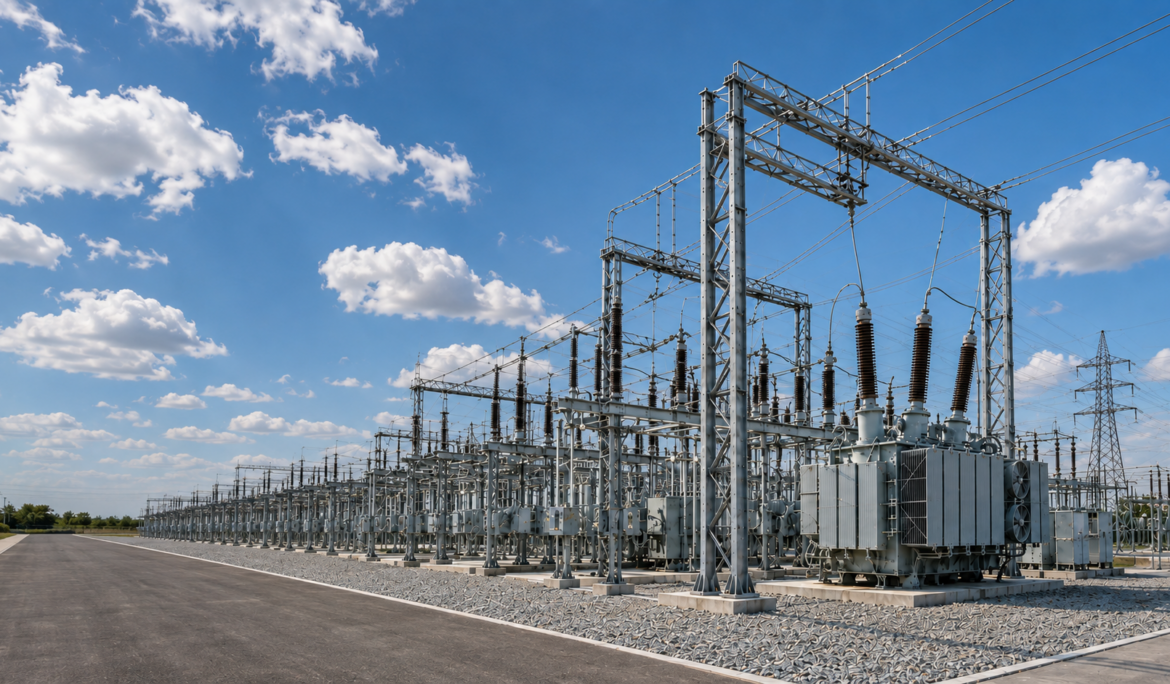
Substation Engineering Capacity Without Losing Design Control
Substation engineering capacity becomes difficult to manage when vendor data, protection requirements, civil inputs and utility comments arrive at the same time. Multiple packages may be approaching 30%, 60%, 90% or issue-for-construction (IFC) milestones while the same internal engineers review calculations, resolve interfaces and support active projects. Adding engineering resources can help, but additional hours do not automatically create additional capacity. The delivery model must define package boundaries, design inputs, interfaces, review responsibilities and decision authority. That structure lets an owner or EPC team increase production while retaining control of the design basis and approvals. Engineering Takeaway More Drawing Hours …
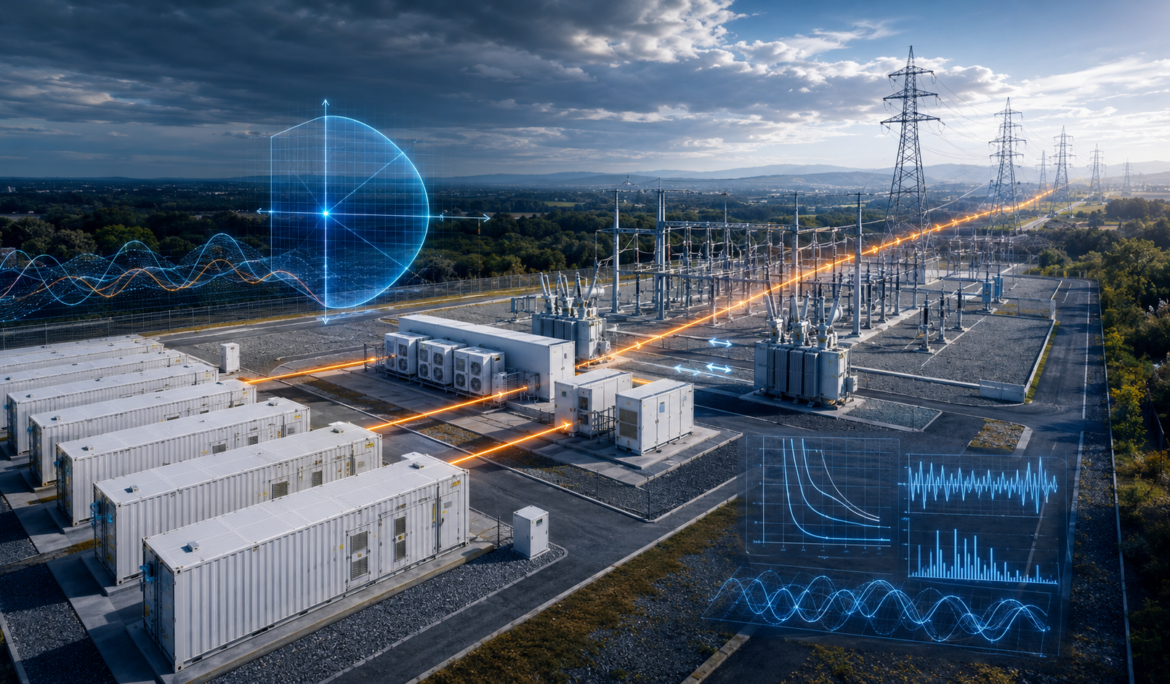
Why BESS Interconnection Studies Get Rejected—and What Reviewers Expect Instead!!
A BESS Interconnection Study Doesn’t Get Rejected at Random MISO’s queue holds roughly 50 GW of BESS capacity inside a 650 GW total backlog. PJM and CAISO show comparable ratios. FERC Order No. 2023 fixed the process side. It created first-ready, first-served cluster studies, set tighter statutory timelines, and let co-located storage and generation share one interconnection request at a single point of interconnection. It didn’t fix the technical quality of what developers submit. A restudy trigger doesn’t care how good the cluster study framework is. It cares whether the fault current model, protection scheme, and dynamic voltage data hold …

Battery Storage Grid Connection: 5 Checks for Developers and EPCs
Five practical checks help battery storage developers and EPCs align operating plans, grid requirements, equipment and acceptance evidence before design freeze. …
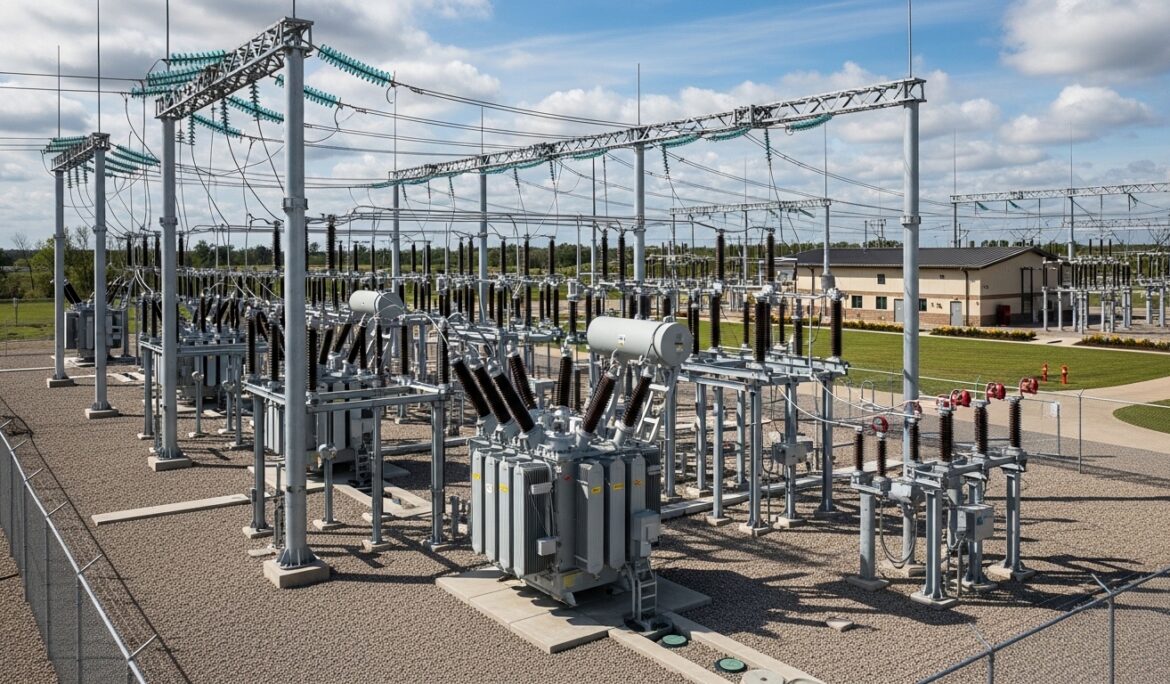
Substation and Switchyard Design for Future Expansion: Technical Gaps That Create Cost Overruns!!
Most substations are engineered for immediate commissioning requirements. Very few are engineered for future expansion. This oversight leads to forced outages, protection redesign, earthing upgrades, trench congestion, and significant capital rework during capacity augmentation. In EHV and renewable pooling substations, expansion is not optional it is inevitable. This article addresses the technical parameters that must be engineered correctly during initial design to avoid lifecycle cost escalation. 1. Busbar Scheme Selection: Engineering vs Budget-Driven Decisions Busbar scheme selection is frequently driven by initial CapEx constraints rather than outage philosophy and future scalability. Common Technical Risk Single bus scheme selected for cost reduction …

Solar Cleaning Robots Are Market-Ready. Is Solar Infrastructure Ready for Them?
Introduction: The Shift from Technology to Execution Solar cleaning robots are no longer an emerging technology. They are already deployed across utility-scale and rooftop solar projects, delivering measurable improvements in operational efficiency and energy yield. The conversation in the solar industry, however, is still disproportionately focused on which robot to deploy, rather than whether the infrastructure can support automation effectively. As robotic cleaning becomes mainstream, infrastructure readiness has emerged as the real performance differentiator. In markets like India, where site conditions vary widely, the success of solar cleaning robots depends less on technology capability and more on how well ground-mounted …

Grid Impact Studies for Renewable & Industrial Connections in Saudi Arabia and the USA
A Practical Guide with DIgSILENT PowerFactory As renewable energy, battery storage, and large industrial loads accelerate across Saudi Arabia and the United States, grid connection is no longer a formality, it is a technical and regulatory bottleneck. Utilities and system operators now require comprehensive Grid Impact Studies (GIS) before approving any new connection to transmission or distribution networks. To meet these expectations efficiently and credibly, engineering teams are increasingly standardizing on DIgSILENT PowerFactory a proven platform for utility-grade power system studies across renewables, BESS, and industrial facilities. This guide explains what Grid Impact Studies involve, how requirements differ between Saudi …
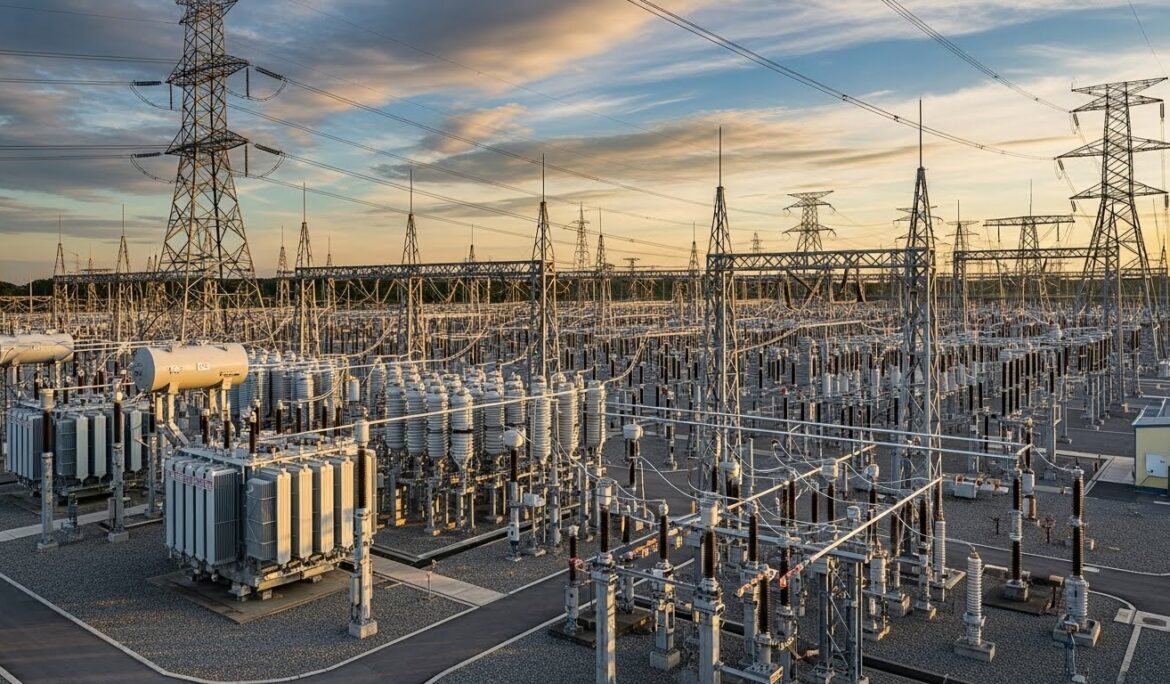
The Hidden Design Assumptions That Cause Switchyard Substation and Transmission Line Failures Years After Commissioning
Switchyard substations and transmission lines are typically designed in strict adherence to IEC, IEEE, IS, and utility-specific standards. On paper, these designs are compliant, approved, and ready for execution. Yet in practice, many such systems experience: Recurrent outages Insulation and protection issues Operational inflexibility Premature performance limitations This raises an important question for designers and utilities alike: Why do technically compliant designs still struggle under real grid conditions? This article explores that gap focusing on engineering judgment beyond standards, and on the design considerations that directly influence long-term reliability and grid performance. Standards Define the Framework Engineering Defines Performance Electrical …

Grid Code Compliance Deep Dive: How the USA, Germany, South Africa & Australia Define Protection Standards!!
In today’s rapidly evolving power ecosystem defined by DER integration, inverter-based resources, utility digitalization, and aggressive decarbonization mandates grid code compliance and relay coordination have become mission-critical. Developers, EPCs, IPPs, and utilities across the USA, Germany, South Africa, and Australia are under mounting pressure to meet stringent regulatory frameworks while ensuring system stability, cybersecurity resilience, and interoperability. This guide provides a technically sound breakdown of regional requirements, emerging trends, and best-practice engineering methodologies. Why Grid Code Compliance Is Non-Negotiable in Modern Power Systems Global transmission operators are tightening compliance enforcement as networks experience unprecedented operational volatility. Key drivers include: High-penetration …
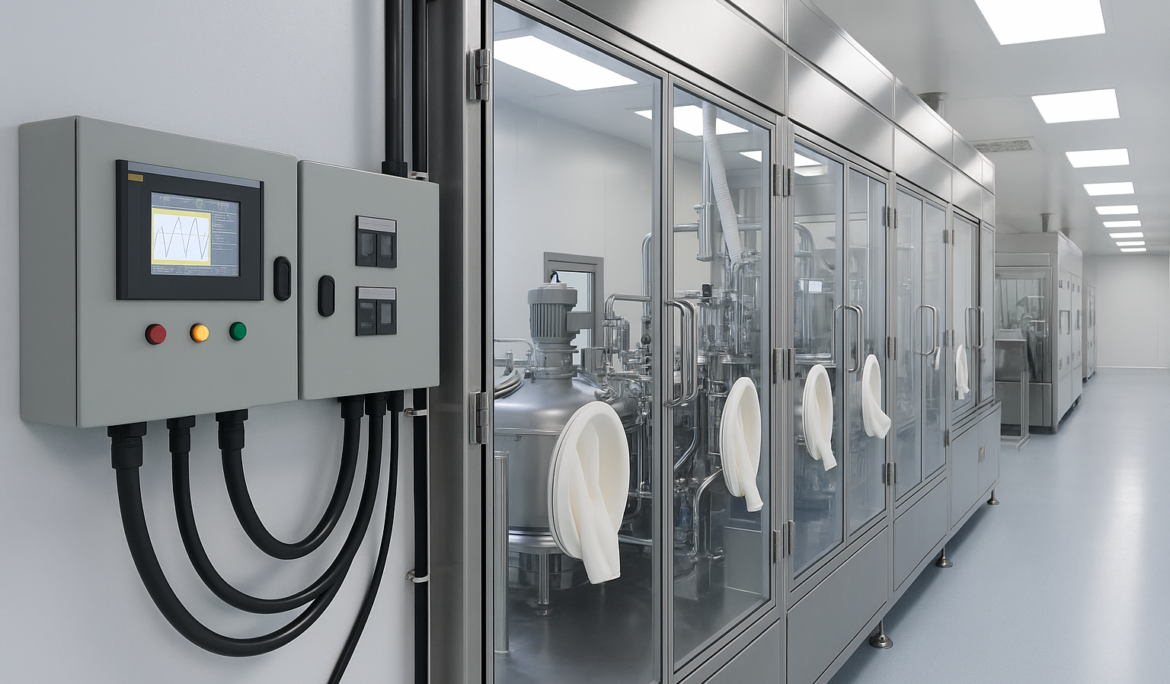
Power Quality: The Silent Variable in Pharma Product Quality!
In a typical pharmaceutical plant, every parameter is monitored to the decimal — temperature, pressure, humidity, differential pressure, air changes, RH%, HEPA velocity, you name it. But one crucial variable often goes unchecked:The quality of electrical power feeding all those precision systems. The irony?Pharma plants depend on highly sensitive electronic equipment but operate on electrical networks designed 20 years ago for resistive loads and induction motors. The result is a growing gap between process precision and power stability. ⚠️ The Real Problems Pharma Facilities Are Facing These aren’t theoretical — they’re problems your electrical team has likely fought this year. …