


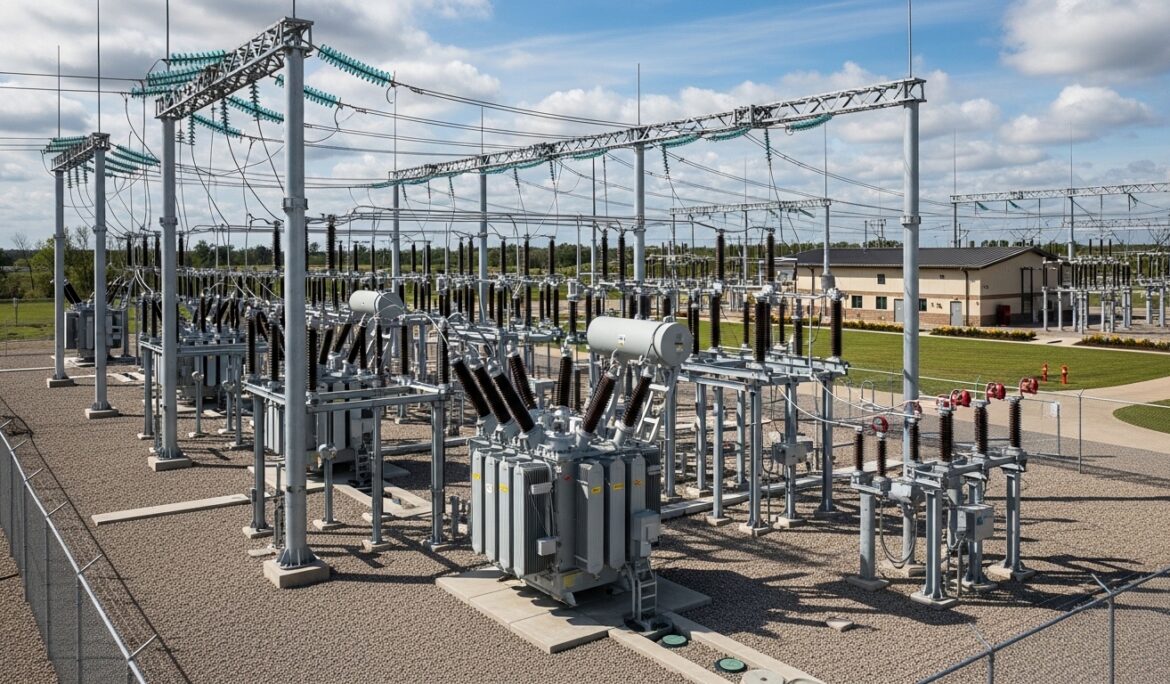
Substation and Switchyard Design for Future Expansion: Technical Gaps That Create Cost Overruns!!
Most substations are engineered for immediate commissioning requirements. Very few are engineered for future expansion. This oversight leads to forced outages, protection redesign, earthing upgrades, trench congestion, and significant capital rework during capacity augmentation. In EHV and renewable pooling substations, expansion is not optional it is inevitable. This article addresses the technical parameters that must be engineered correctly during initial design to avoid lifecycle cost escalation. 1. Busbar Scheme Selection: Engineering vs Budget-Driven Decisions Busbar scheme selection is frequently driven by initial CapEx constraints rather than outage philosophy and future scalability. Common Technical Risk Single bus scheme selected for cost reduction …

How Outdated Electrical Design Approaches Are Increasing Risk and Reducing System Performance
In today’s highly dynamic industrial landscape, engineering design is no longer just about compliance. The shift toward digital manufacturing, grid integration, and reliability-focused design means outdated approaches can severely impact performance, safety, and ROI. At Elegrow Technology Pvt. Ltd., we specialize in electrical system design and power system studies for energy-intensive sectors. Our analysis of over 300+ projects highlights key trends that engineering teams must address. 40% of Electrical System Failures Originate from Inadequate Design Practices Failure to update design methodologies with current standards, simulation models, and operational requirements leads to: Incorrect cable sizing and protection coordination Ineffective earthing and …

How to Get Solar Modules Replaced Under Warranty Claim!!
Generally, Manufacturers follow these checks to validate the replacement of the solar module. 1. Loading, Unloading and Transportation Conditions – Solar PV panels are exposed to various risks during their journey. There can be a certain amount of mechanical stress that can affect the module in the transportation process. The reasons can range anywhere from rough handling of the packed modules to vibrations or shocks that occur in the back of a truck, on a rail, or during transshipment on the sea. The most common damages to solar panels are breakages and cracks of the solar cells in the …