



Implementing Comprehensive Leak Management Programs: Best Practices and Case Studies for Industrial Plants
Air and gas leakages are silent profit drainers. Whether it’s compressed air or specialty gases, even a minor leak can lead to significant energy losses, safety risks, and production inefficiencies. Yet, many plants treat leak detection as a one-time job — rather than part of a structured maintenance approach. That’s where a Leak Management Program (LMP) comes into play — a systematic strategy to detect, document, prioritize, and repair leaks across an industrial facility. In this blog, we’ll walk through how to build an effective LMP, share best practices, and explore hypothetical case studies that show real-world results. What …
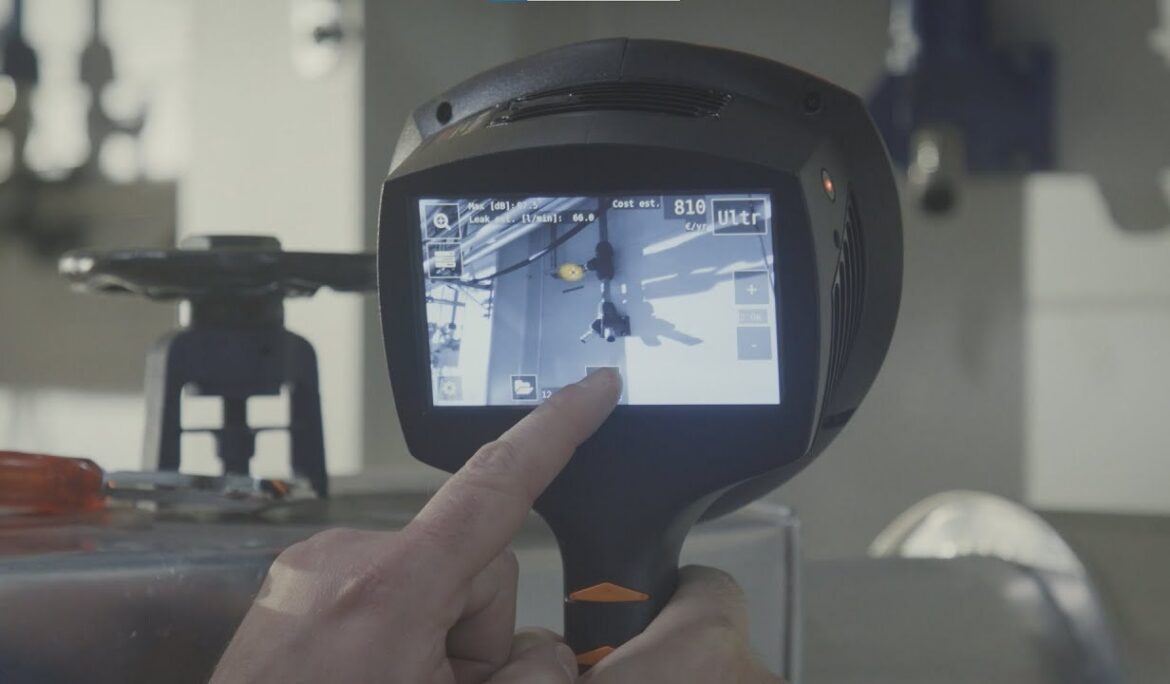
Enhancing Chemical Plant Safety: The Cutting-Edge Role of Acoustic Detection Technologies!!
In the dynamic environment of chemical industries, ensuring the safety of workers is paramount. With the presence of hazardous substances, the potential for accidents looms large, necessitating innovative solutions for early detection and prevention. One such groundbreaking approach is the utilization of acoustic detection technology. This blog explores the technical aspects of how acoustic detection systems can be leveraged to enhance worker safety in chemical manufacturing plants. Understanding Acoustic Detection Acoustic detection technology relies on the principle of sound analysis to identify potential hazards. By continuously monitoring ambient noise levels and analyzing sound patterns, these systems can detect irregularities that …
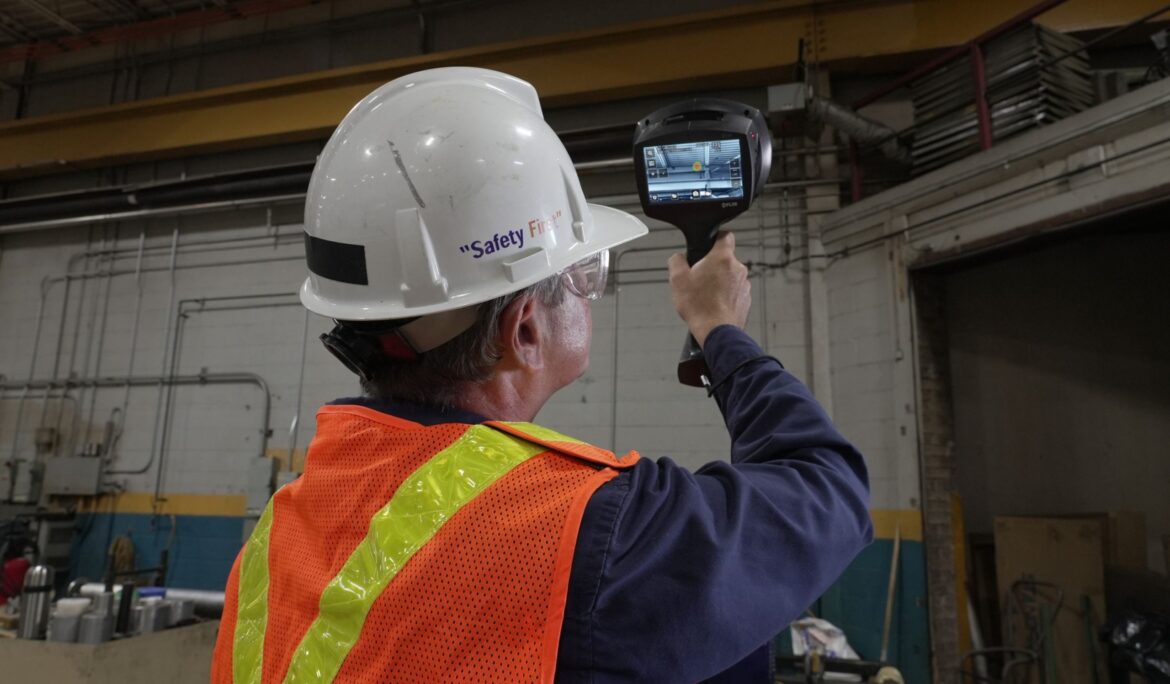
Role of Acoustic Detections in Preventive Maintenance!!
In the realm of engineering and maintenance, the early detection of potential issues is key to ensuring reliability, efficiency, and safety. Among the various techniques employed, acoustic detection stands out as a powerful tool in preventive maintenance strategies. This approach leverages the sounds produced by machinery and equipment to identify anomalies that could indicate mechanical issues. Here’s how acoustic detection is revolutionizing preventive maintenance: Understanding Acoustic Detection Acoustic detection involves the monitoring of noise, vibration, and other acoustic signals emitted by machinery during operation. By analyzing these sounds, maintenance teams can identify irregular patterns that precede mechanical failures. This method …

Mastering Industrial Efficiency: Unlocking the Potential of Acoustic Leak Detection Technology!!
The pursuit of operational excellence in industrial domains—ranging from power generation to pharmaceuticals—demands a relentless focus on minimizing downtime and optimizing system reliability. A critical yet often underappreciated aspect of achieving these goals lies in the advanced maintenance techniques like acoustic leak detection (ALD). This blog presents a deeper technical dive into ALD, unraveling its principles, technological nuances, and strategic implementation to underscore its value in bolstering industrial efficiency and resilience. Technical Foundations of Acoustic Leak Detection Acoustic Leak Detection operates on the premise that leaks from pressurized systems emit unique acoustic signatures due to the turbulent flow of …

Enhancing Plant Safety and Efficiency: The Power of Acoustic Air and Gas Leakage Detection
Gas leakage detection systems play a crucial role in ensuring plant safety, especially in the sectors you operate in, like chemical, petrochemical, and pharmaceutical industries. Here’s how they contribute: 1. Advanced Sensor Technology for Early Detection: Modern gas detectors use sophisticated sensor technologies like electrochemical sensors, infrared point sensors, and semiconductor sensors. These sensors can detect a wide range of gases at very low concentrations, often parts per million (ppm) or parts per billion (ppb), allowing for early warning before hazardous conditions develop. Their integration into a plant’s control system enables automated responses, like activating ventilation or shutting down …

Addressing the Technical Challenges in Leakage Testing for Large Industrial Facilities: Innovative Solutions for High-Volume Air and Gas Systems
Large industrial facilities are complex ecosystems of air and gas systems that demand meticulous scrutiny to maintain operational efficiency, safety, and environmental responsibility. Detecting leaks in these high-volume systems is a technical endeavour that poses distinctive challenges. In this blog, we delve into the technical intricacies of leakage testing in large industrial facilities and explore advanced solutions designed to surmount these challenges effectively. Challenges in Leakage Testing for Large Industrial Facilities 1. Scale and Volume: The immense scale and volume of air and gas systems in large industrial facilities necessitate comprehensive inspection coverage. Traditional methods, like manual visual inspections, …

What is Advantages of Very Low Frequency Testing?
Very Low Frequency (VLF) testing is a widely used technique for testing the integrity of electrical insulation in medium and high voltage cables, transformers, and other electrical equipment. VLF testing offers several advantages over other traditional testing methods such as Direct Current (DC) and Power Frequency (PF) testing: 1. Safety: VLF testing uses lower voltages and current levels compared to other testing methods, reducing the risk of accidents and injuries during testing. This makes it a safer option for technicians performing the tests. VLF testing uses lower test voltages compared to other methods such as Direct Current (DC) and …

Reasons Why You Should Perform Compressed Air Leakage Detection with the Help of an Acoustic Camera
Visual inspections might save you money, but for air leaks, you need more advanced detection solutions to ensure safety— especially in heavy industrial settings. So if you suspect compressed air leakages, consider booking air and gas leakage detection services that use acoustic cameras. It’s also recommended for routine safety checks, as leaks could lead to wasting and losing 20% to 30% of compressor output, causing you to spend extra money on repairs or buying new equipment. Air and gas leakage testing will quickly identify any problems so you can resolve them sooner and avoid further issues. Save time and money …

Cable Conditioning Testings and List of Testing!!
Testing the condition of an existing cable is an essential part of cable maintenance and troubleshooting. Here are the step-by-step processes for existing cable condition testing with a list of testing: 1. Preparation Turn off the power supply and ensure the cable is disconnected from the power source before testing. Inspect the cable for any physical damage or visible defects such as cracks, cuts, or exposed wires. Check for the cable’s age and the environment it’s been exposed to as it may affect its overall condition. 2. Resistance Testing Resistance testing is used to verify the continuity of the cable. …
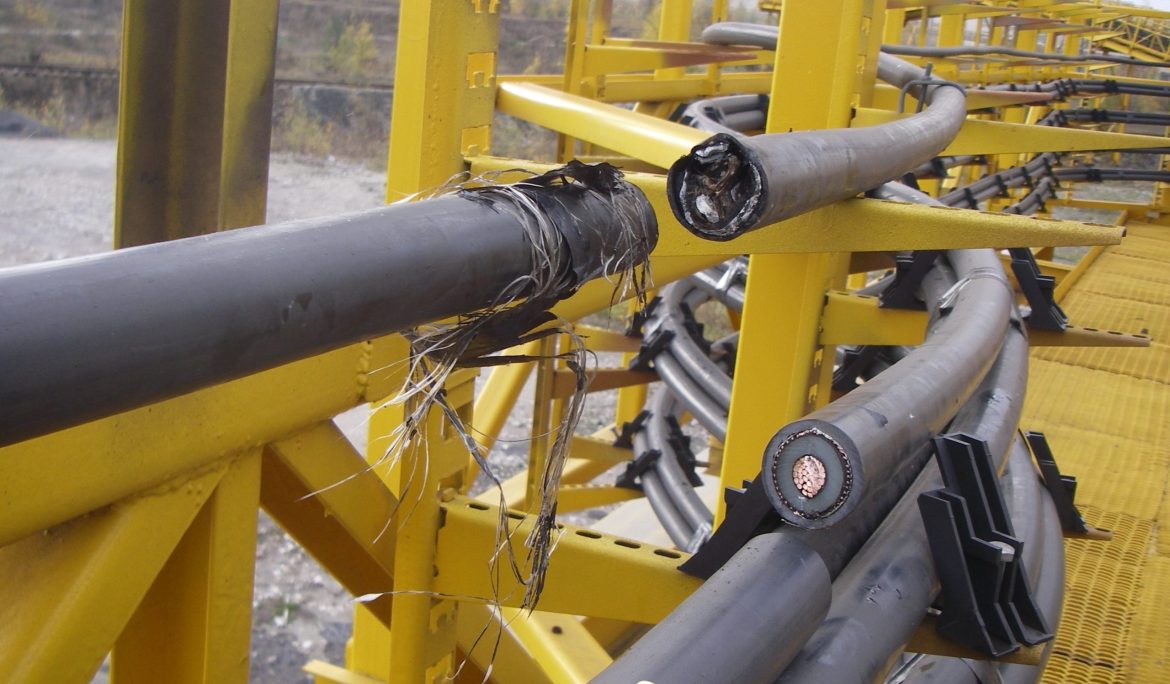
Different Methodologies of Partial Discharge Detection!!
Different Methodologies to check Partial Discharges in Engineering System There are several methodologies to check partial discharges in engineering systems. Here are some commonly used ones: 1. Capacitive Coupling Method This method uses capacitive probes to detect partial discharges. The probes are placed on the surface of the equipment being tested, and the signals are captured by an oscilloscope or other monitoring device. This method is non-invasive and can be used for online or offline testing. The capacitive coupling method is a non-invasive and relatively simple technique for detecting PD activity, making it a popular choice for both …