


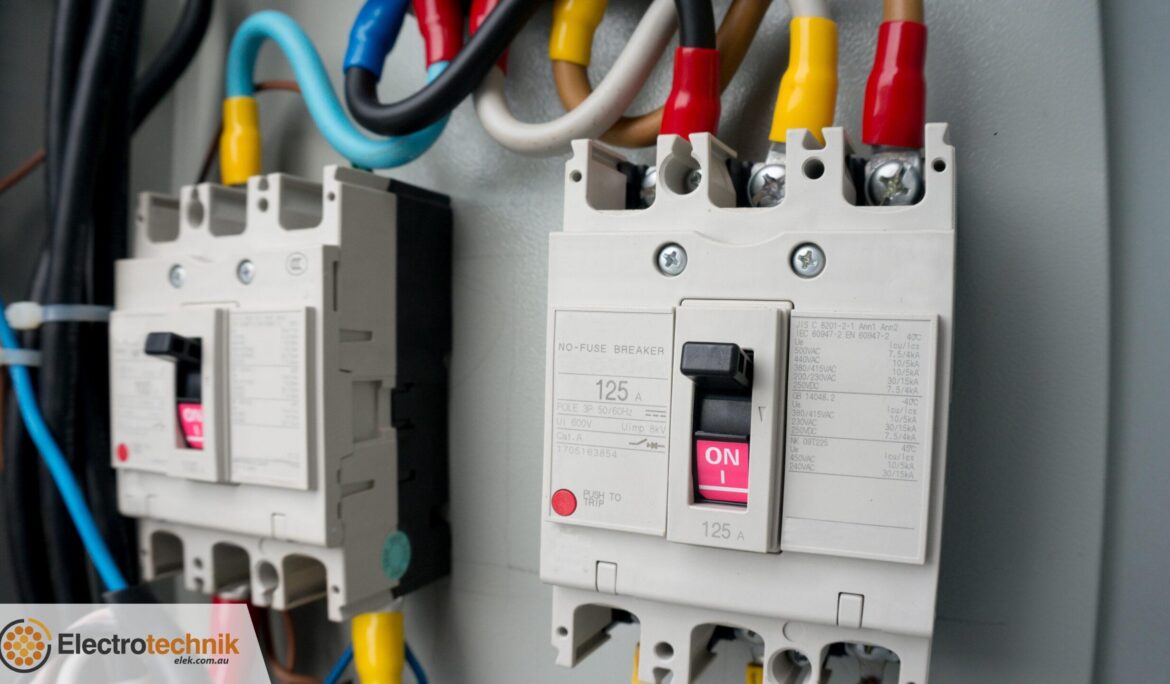
The Role of Relay Coordination in Lowering Arc Flash Incidences!!
Relay coordination is vital for electrical protection systems. It helps reduce Arc Flash hazards by ensuring that protective devices, like relays and circuit breakers, operate in the correct sequence. This process quickly isolates faults and prevents dangerous Arc Flash incidents, which could damage equipment and put personnel at risk. Key Technical Aspects of Relay Coordination to Minimize Arc Flash Risk Selective Fault Isolation: Proper relay coordination makes sure that only the closest relay to a fault trips, isolating the issue. In a radial distribution system, this approach prevents unnecessary tripping of upstream devices, reducing the risk of larger Arc Flash …

Overcurrent Protection Strategies for Industrial Safety: A Detailed Technical Perspective!!
In industrial environments, electrical safety hinges on effectively managing overcurrent situations. Engineering departments in manufacturing facilities must prioritize overcurrent protection not just for compliance, but for safeguarding equipment and personnel. This blog offers a detailed look at the technical aspects of overcurrent protection, emphasizing its critical role in industrial safety. Understanding Overcurrent Overcurrent is a condition where the electrical current surpasses the rated capacity of a system’s components, leading to potential hazards. It can manifest in various forms: 1. Overloads: Occur when equipment draws more current than its rated capacity over a period, often due to mechanical overload, incorrect operation, …
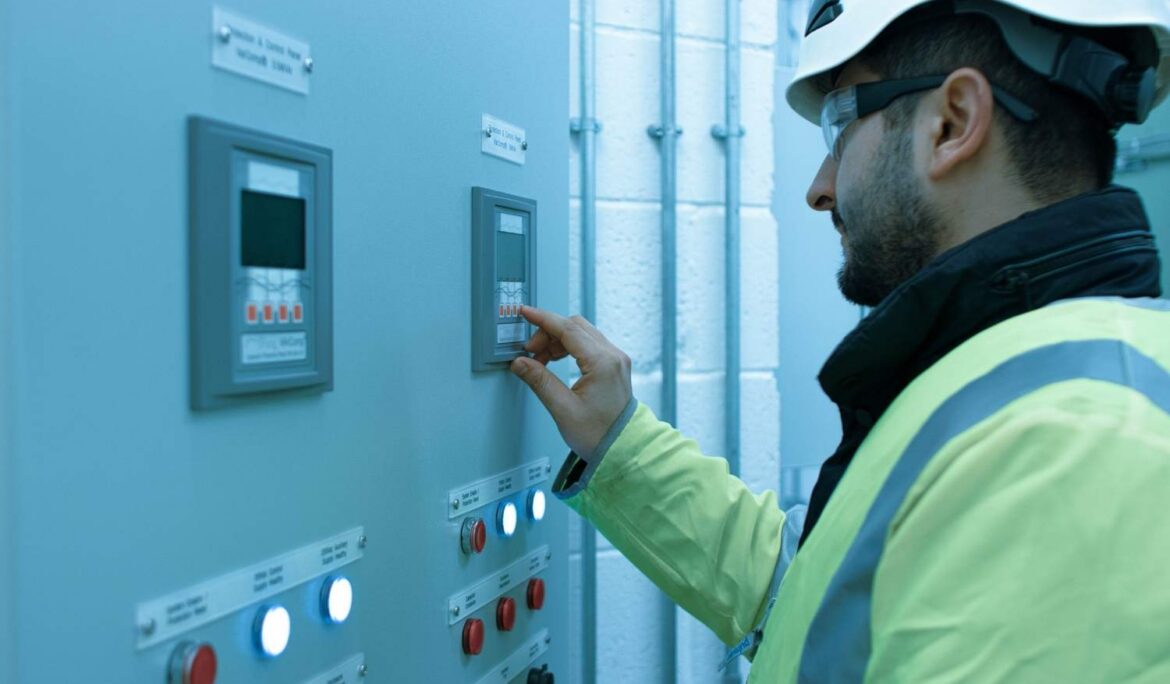
Optimizing System Safety: Advanced Fault Analysis in Protective Device Coordination for Industrial Applications!!
In the high-stakes realms of the Pharmaceutical, Oil & Gas, Chemical, and Petrochemical industries, the meticulous coordination of protective devices is non-negotiable. This coordination is largely dependent on the nuanced process of fault analysis – a cornerstone in maintaining electrical system integrity and operational efficiency. For professionals operating in these sectors, a deep understanding of fault analysis is not just beneficial, but essential. Understanding Fault Analysis Fault analysis is the backbone of electrical safety and efficiency in industrial settings. It involves the identification and examination of abnormal electrical conditions – such as overcurrents or voltage imbalances – that can …

The Essential Technical Foundation: Load Flow, Short Circuit, and Protection Device Coordination for Arc Flash Studies
In the realm of electrical engineering and safety, the term “arc flash” carries significant weight. Arc flash incidents are potentially catastrophic events that can result in severe injuries, fatalities, and extensive equipment damage. To effectively mitigate the risks associated with arc flash and develop robust safety measures, it’s imperative to recognize the indispensable role played by load flow analysis, short circuit analysis, and protection device coordination studies. In this technical exploration, we will delve deeper into why these studies serve as prerequisites for a comprehensive arc flash study. 1. Load Flow Analysis Load flow analysis, also known as power flow …

Steps to follow once the tripping has taken place
When the incoming circuit breaker is tripped, it means that power has been disconnected from the electrical panel or device that it was supplying. Here are some general steps to follow once the incomer breaker is tripped: 1. Identify the reason for the trip: The first step is to determine why the breaker has tripped. Common reasons for a breaker tripping include overloading, short circuits, or ground faults. Therefore the first step to analyse is to identify which breaker has tripped and the probable cause of it. If the trip is caused by overloading, you may need to redistribute your …

What’s the Procedure for Relay Testing in an Electrical Substation?
The electrical substation is crucial to electrical distribution, generation, and transmission. One of its critical tasks is to step down the voltage in transmission lines to ensure the voltage’s suitability and safety for the distribution grid. Substation design services can help test your system to ensure a well-planned layout that can increase safety and prevent unwanted accidents. About relay testing Relay testing an electrical substation ensures an accurate and efficient system. Service providers conduct relay testing based on the system’s function, size, and design. They test relays to ensure proper connections and verify the correct settings on the relays for correct functioning. …

Is the incomer breaker in your system tripping often??
95-97% of Engineering and Maintenance departments reset the breaker on experiencing tripping. That surely helps them continue the production and minimize the losses but that doesn’t bring a permanent solution to the problem of often tripping. An incoming breaker trips when there is an electrical fault or overload in the electrical system. The breaker is designed to protect the electrical system by automatically tripping and cutting off the power supply to prevent damage to appliances, wiring, or a potential fire. Before talking about the solution let’s look at the possible causes of tripping – Here are some of the common …