


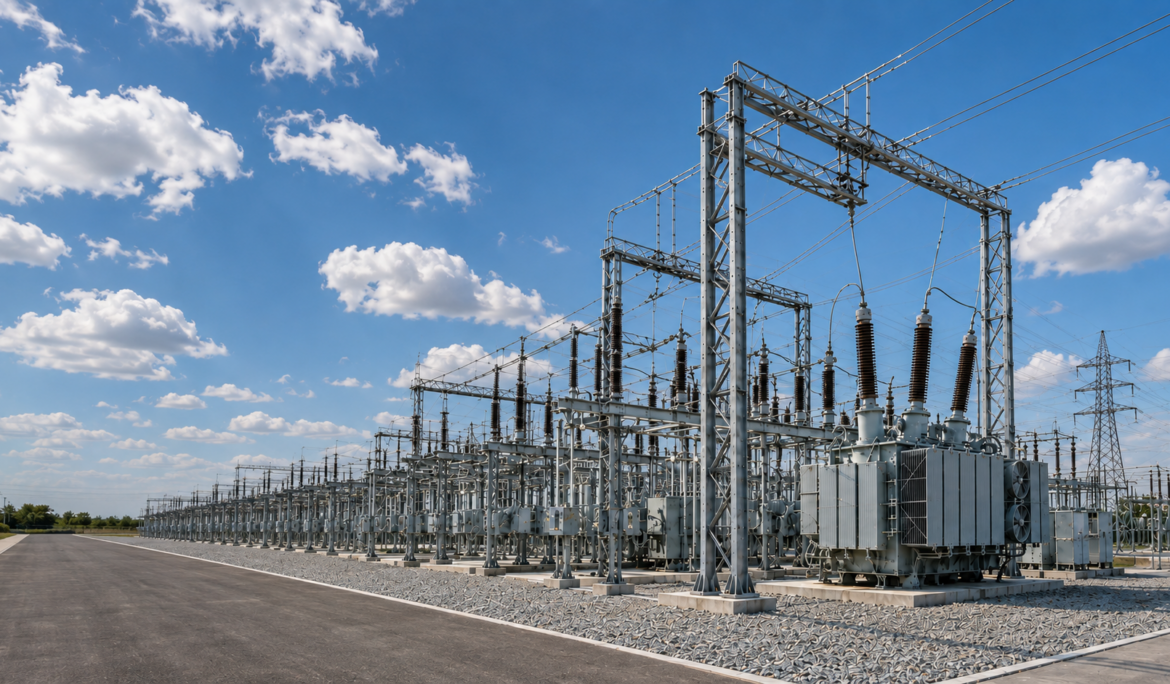
Substation Engineering Capacity Without Losing Design Control
Substation engineering capacity becomes difficult to manage when vendor data, protection requirements, civil inputs and utility comments arrive at the same time. Multiple packages may be approaching 30%, 60%, 90% or issue-for-construction (IFC) milestones while the same internal engineers review calculations, resolve interfaces and support active projects. Adding engineering resources can help, but additional hours do not automatically create additional capacity. The delivery model must define package boundaries, design inputs, interfaces, review responsibilities and decision authority. That structure lets an owner or EPC team increase production while retaining control of the design basis and approvals. Engineering Takeaway More Drawing Hours …
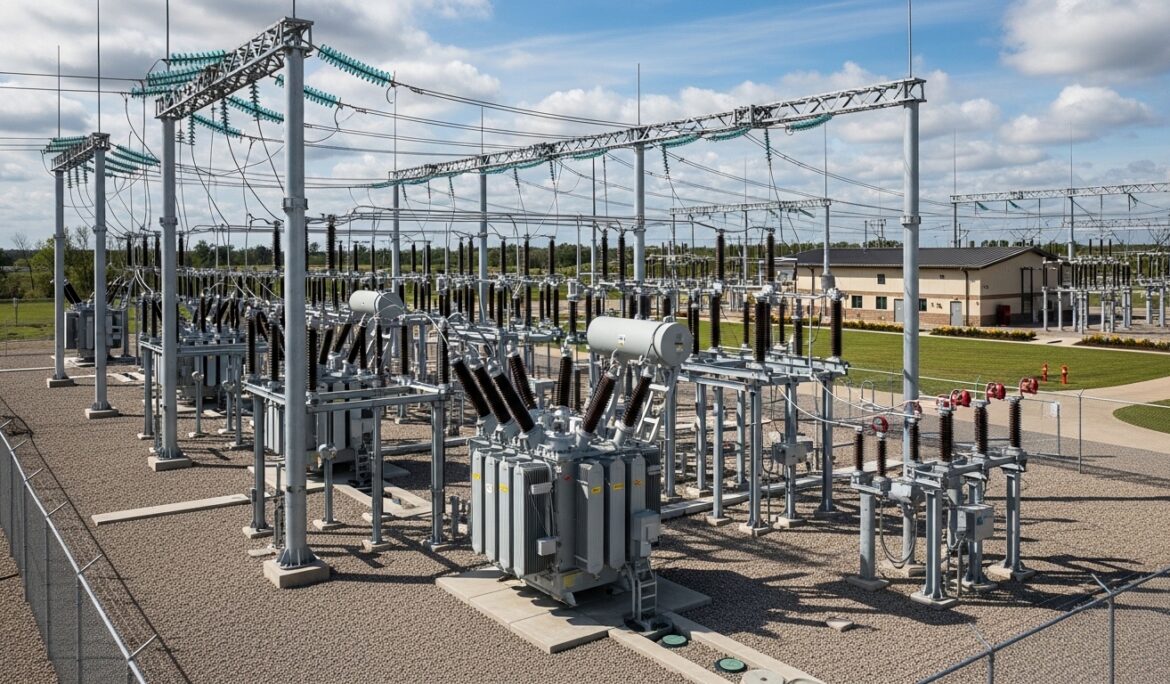
Substation and Switchyard Design for Future Expansion: Technical Gaps That Create Cost Overruns!!
Most substations are engineered for immediate commissioning requirements. Very few are engineered for future expansion. This oversight leads to forced outages, protection redesign, earthing upgrades, trench congestion, and significant capital rework during capacity augmentation. In EHV and renewable pooling substations, expansion is not optional it is inevitable. This article addresses the technical parameters that must be engineered correctly during initial design to avoid lifecycle cost escalation. 1. Busbar Scheme Selection: Engineering vs Budget-Driven Decisions Busbar scheme selection is frequently driven by initial CapEx constraints rather than outage philosophy and future scalability. Common Technical Risk Single bus scheme selected for cost reduction …
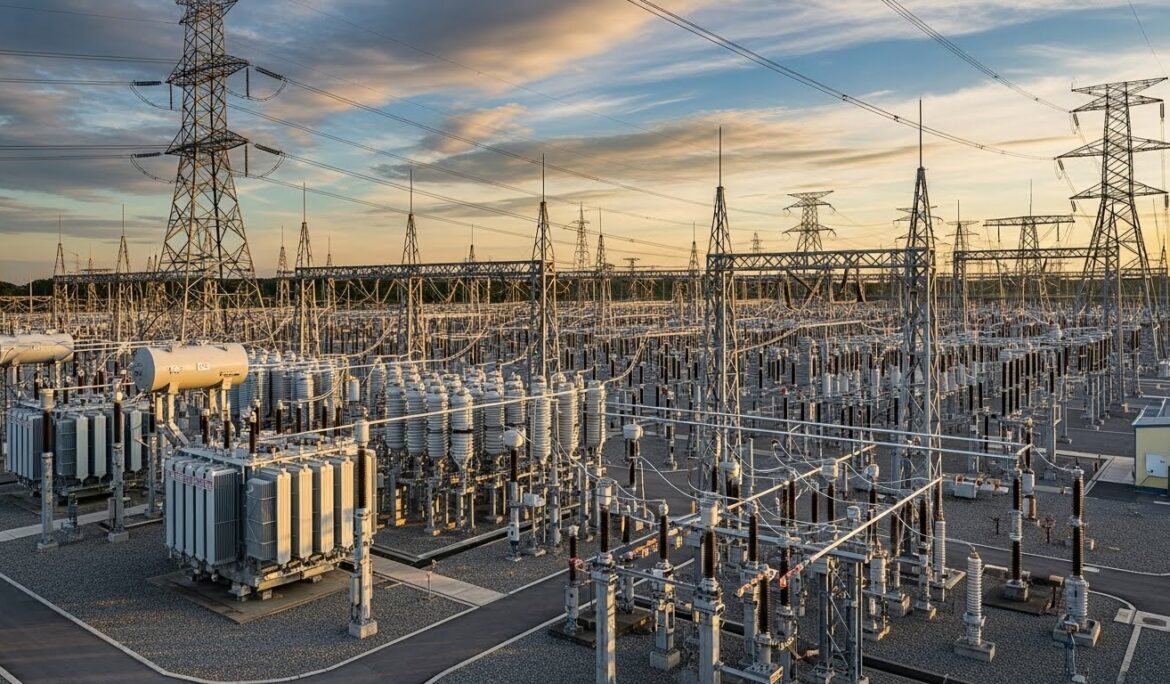
The Hidden Design Assumptions That Cause Switchyard Substation and Transmission Line Failures Years After Commissioning
Switchyard substations and transmission lines are typically designed in strict adherence to IEC, IEEE, IS, and utility-specific standards. On paper, these designs are compliant, approved, and ready for execution. Yet in practice, many such systems experience: Recurrent outages Insulation and protection issues Operational inflexibility Premature performance limitations This raises an important question for designers and utilities alike: Why do technically compliant designs still struggle under real grid conditions? This article explores that gap focusing on engineering judgment beyond standards, and on the design considerations that directly influence long-term reliability and grid performance. Standards Define the Framework Engineering Defines Performance Electrical …

Reasons why having an internal lightning protection system is important!!
Some equipment within a facility or household can generate internal surges as they start or operate. Modern electronic devices, including computers, servers, medical equipment, and telecommunications systems, are highly sensitive to voltage fluctuations. Following are the ways in which surges affect internal systems hence having an internal lightning protection system is important. 1. Voltage Spikes and Surges: Causes: Lightning strikes, power switching, and faults can lead to sudden increases in voltage. Consequences: These surges can travel through power lines and potentially damage connected electronic devices. 2. Lightning Strikes: Cause: Lightning induces extremely high voltage surges in power lines. …

Simple Design Calculations vs. FEA Analysis: When and How to Choose?
When it comes to engineering and design, precision and accuracy are paramount. Design calculations and Finite Element Analysis (FEA) are two methods that engineers commonly use to ensure that their designs meet safety, performance, and efficiency criteria. However, there are situations where using design calculations alone is not feasible or efficient. In this blog post, we’ll explore when it’s possible to rely solely on design calculations and when FEA analysis becomes a more suitable approach. Design Calculations: 1. Deterministic Approach: Design calculations are a deterministic approach to engineering analysis. They involve using established equations, formulas, and engineering standards …
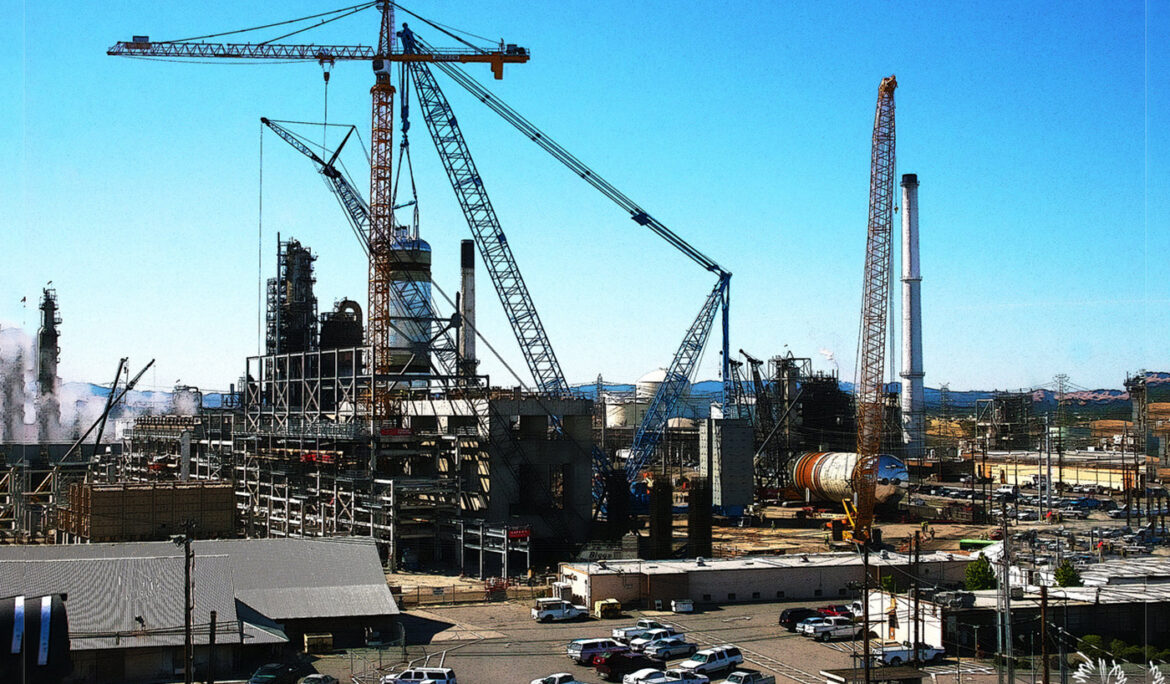
Role of Engineering Design in EPC Contracting!!
99% of EPC contractors consider that engineering design is a documentation cost and can be managed either by freelancers or by hiring a design consultant by paying 1% of the total project cost. In the world of engineering and construction, EPC contractors are essential players in the execution of large-scale projects, responsible for turning intricate plans into physical reality. However, at the heart of every successful EPC project lies a fundamental aspect that often goes unnoticed: engineering design. In this blog, we’ll explore the significance of engineering design in the EPC contracting world, focusing on the crucial stages of …

Unveiling the Technical Nuances: Conceptual Design, Design, and Fabrication Drawings in Engineering Projects
In the intricate world of engineering projects, where precision and meticulous planning reign supreme, three types of drawings hold pivotal roles: Conceptual Design Drawings, Design Drawings, and Fabrication Drawings. These technical blueprints are the backbone of any engineering endeavor, each serving a distinct purpose in translating an idea into a functional reality. In this blog, we will delve deeper into the technical aspects and differences between these crucial drawings and their indispensable role in engineering projects. 1. Conceptual Design Drawings Conceptual Design Drawings, often synonymous with preliminary sketches or ideation drawings, kickstart the engineering project lifecycle. These drawings encapsulate the …

Embracing the Future: Exploring the Concept of Future Factories!!
The rapid advancement of technology has given rise to the concept of “Future Factories,” revolutionizing the way manufacturing facilities operate. These factories incorporate cutting-edge technologies, such as cyber-physical systems, advanced data analytics, and smart automation, to create highly efficient, flexible, and sustainable production environments. In this blog, we will delve into the exciting world of future factories, exploring their key features and the transformative potential they hold for the manufacturing industry. 1. Smart Manufacturing and Industry 4.0: Future factories are at the forefront of smart manufacturing, embracing the principles of Industry 4.0. They leverage technologies like the Internet of …

Navigating Complex Regulatory Requirements: How Engineering Design Consultants Ensure Compliance in Chemical and Process Plant Projects
Navigating complex regulatory requirements is a critical aspect of engineering design consultancy in chemical and process plant projects. Here are some ways in which engineering design consultants ensure compliance with regulations: 1. Regulatory Knowledge and Interpretation: Engineering design consultants possess a deep understanding of the intricate regulatory landscape specific to chemical and process plants. They interpret complex regulations, codes, and standards to identify the precise requirements applicable to the project. This includes analyzing local, state, and federal regulations, as well as industry-specific guidelines. 2. Process Safety Management (PSM): Engineering design consultants adhere to Process Safety Management guidelines, such as …

Balancing Innovation and Efficiency: The Art of Oil and Gas Facility Design!!
In the dynamic oil and gas industry, facility design plays a pivotal role in ensuring operational excellence, safety, and productivity. As engineering design consultants, we recognize the critical need to strike a delicate balance between innovation and efficiency in oil and gas facility design. In this blog, we will delve into the art of oil and gas facility design and explore how finding equilibrium between these two factors can add significant value to the industry’s processes and outcomes. Innovation: Embracing Technological Advancements Innovation drives progress in the oil and gas industry. By integrating the latest technological advancements into facility …