



Revolutionizing Energy: Cutting-Edge Innovations in the Oil and Gas Industry!!
The oil and gas industry, a critical sector in the global economy, is continually evolving, especially in the area of energy management. As an engineering design consultant and technical service provider, understanding the latest technologies in this field is vital. This article delves into cutting-edge technologies that are revolutionizing energy management in the oil and gas sector, focusing on efficiency, sustainability, and cost-effectiveness. Advanced Technical Innovations in the Oil and Gas Industry Enhanced Oil Recovery (EOR) Techniques 1. CO2 Injection: This involves injecting carbon dioxide into oil fields to increase reservoir pressure and decrease the viscosity of …

Enhancing Plant Safety and Efficiency: The Power of Acoustic Air and Gas Leakage Detection
Gas leakage detection systems play a crucial role in ensuring plant safety, especially in the sectors you operate in, like chemical, petrochemical, and pharmaceutical industries. Here’s how they contribute: 1. Advanced Sensor Technology for Early Detection: Modern gas detectors use sophisticated sensor technologies like electrochemical sensors, infrared point sensors, and semiconductor sensors. These sensors can detect a wide range of gases at very low concentrations, often parts per million (ppm) or parts per billion (ppb), allowing for early warning before hazardous conditions develop. Their integration into a plant’s control system enables automated responses, like activating ventilation or shutting down …

13 Forward-Thinking Strategies for Sustainable Oil and Gas Operations!!
The oil and Gas sector is a very mature and disciplined sector when it comes to compliance with standards, regulations and all the practices they follow. Any decision without proper analysis and justification can incur high risks and business losses. The oil and gas industry faces increasing pressure to adopt sustainable practices due to environmental concerns and the need to address climate change. To ensure the sustainability of oil and gas projects and provide clarity for expansion or new projects, the following approaches and strategies can be considered: 1. Vendor Development Program: Develop a program where new-generation vendors …

All about Inspection & Test Planning!!
An Inspection Test Plan (ITP) is a document used in engineering and construction projects to outline the process and criteria for inspecting and testing specific components or aspects of a project. The primary purpose of an Inspection Test Plan is to ensure that the project meets the specified quality standards and that the work is performed in accordance with the project requirements, design specifications, and applicable codes and standards. Key components of an Inspection Test Plan typically include: Scope of Work: Clearly defines the scope of the inspection and testing activities. It outlines what specific components, materials, or …

Choosing the Right Project Execution Approach: EPC vs. Engineering Consultancy & Contracting
The choice between EPC (Engineering, Procurement, and Construction) and a combination of Engineering Consultancy and Contracting depends on the specific nature of your project, your organization’s resources, and your goals. There is no one-size-fits-all answer, as both approaches have their advantages and disadvantages. Here’s a summary to help you decide which might be better for your situation: EPC (Engineering, Procurement, and Construction): Advantages: 1. Single Point of Responsibility: EPC contracts offer the advantage of a single entity responsible for the entire project. This simplifies project management, as you have one primary contact, reducing coordination and communication …

The Crucial Role of Third-Party Inspection in Engineering Projects: Ensuring Quality, Compliance, and Success
Third-party inspection involves a comprehensive set of activities and processes carried out by an independent inspection agency or individual to assess various aspects of a project, product, or service. The specific tasks and activities conducted during third-party inspection can vary depending on the nature of the project, industry, and the agreed-upon scope of work. However, here are some common activities that are typically performed under third-party inspection: 1. Documentation Review: Reviewing project documentation, including design specifications, quality control plans, and relevant standards and regulations, to ensure that the project is planned and executed in compliance with the required standards …
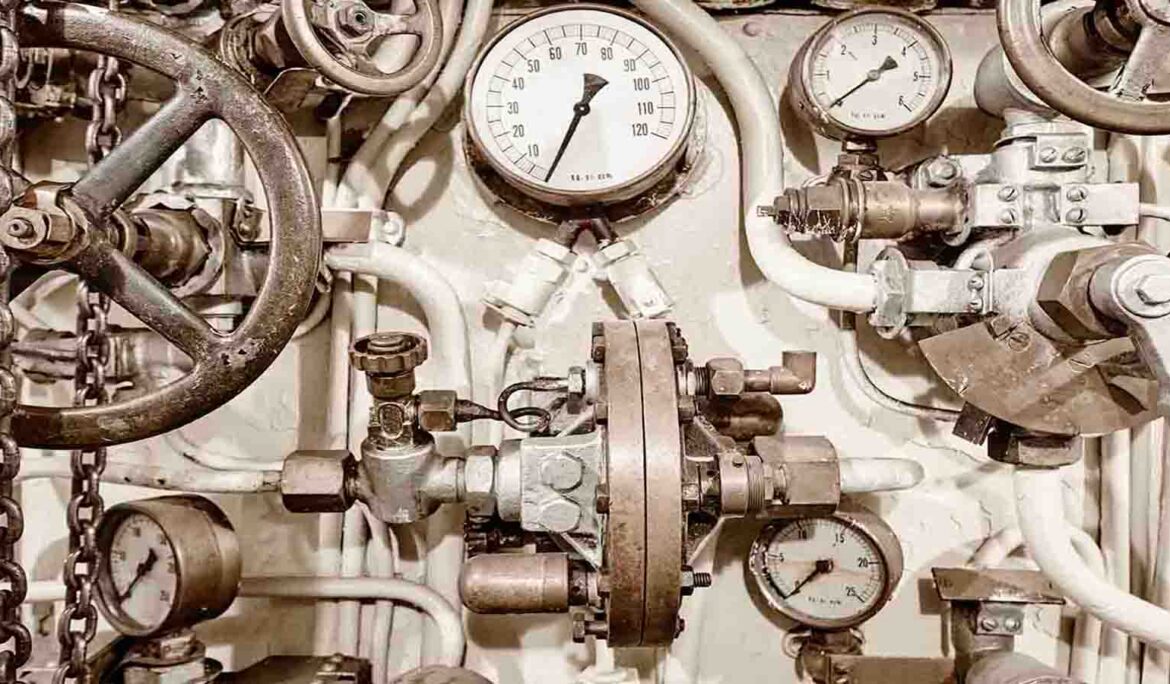
Mastering the Technical Aspects of Instrumentation Engineering: Safeguarding Safety and Efficiency in Industrial Plants!!
Instrumentation engineering is crucial for the safe and efficient operation of industrial plants, regardless of their size. Here are some key reasons why instrumentation engineering is important: 1. Precision Control and Automation: In precision control, instrumentation engineers design control algorithms that utilize feedback from sensors. These algorithms, often implemented through digital controllers, calculate control actions to maintain the process variable within a tight tolerance. Advanced control techniques such as model-based predictive control (MPC) use mathematical models of the process to optimize control actions, considering multiple variables simultaneously. 2. Feedback Control Loops: PID controllers use mathematical equations to calculate …

Enhancing Engineering Projects: The Power of 3D Models for Stakeholder Clarity!!
Three-dimensional (3D) models offer several advantages for engineering projects, and they can significantly enhance clarity for various stakeholders involved in the project. Here’s how 3D models provide better clarity to different stakeholders in the context of engineering projects: 1. Design Visualization: 3D models offer an accurate representation of the project, including all its components and their spatial relationships. Stakeholders can inspect the design from various angles and zoom in for detailed views, improving comprehension. 2. Geometric Precision: 3D models are created with precision, which is vital in engineering where measurements and tolerances are critical. Stakeholders can analyze distances, …
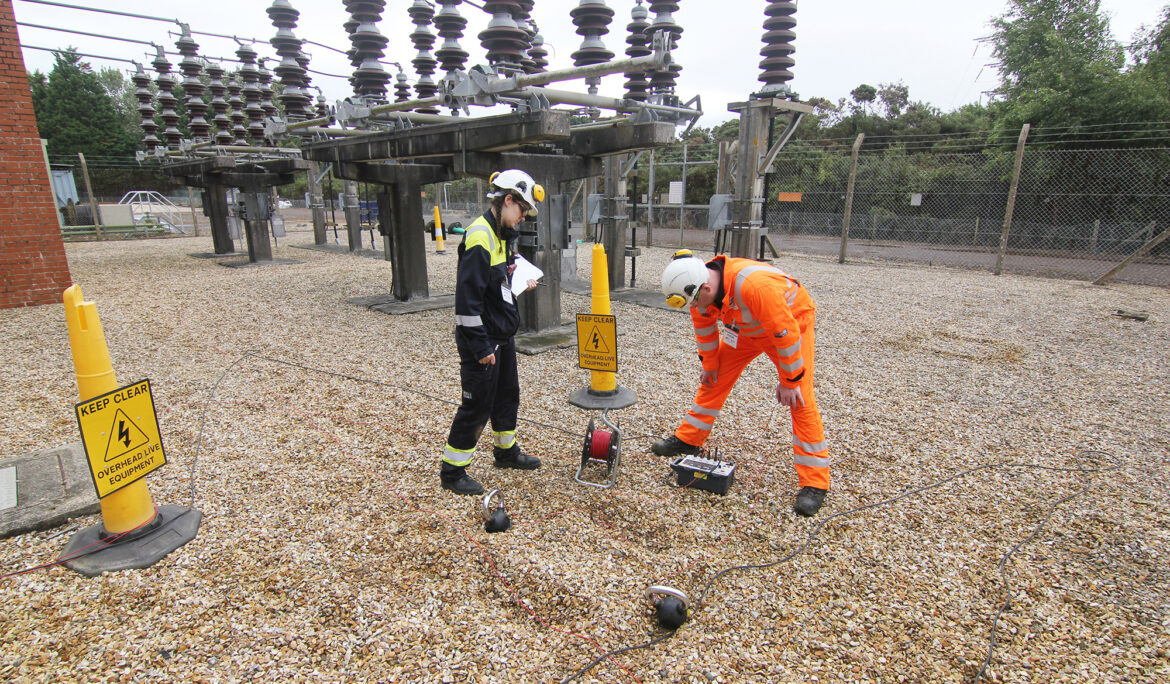
How EPC Contractors Can Save the Cost from Simple Earthing Design?
Earthing design is a crucial aspect of electrical systems, ensuring safety and proper functioning. EPC (Engineering, Procurement, and Construction) contractors can optimize costs in earthing design through several strategies, supported by technical justifications. Here are some ways to achieve cost savings: 1. Site-Specific Analysis: Conduct a soil resistivity test to understand the electrical properties of the soil. Different soil types have varying resistivities, and a site-specific analysis helps in determining the optimum design for the earthing system. Impact: A site-specific approach ensures that the grounding system is tailored to the unique characteristics of the location, preventing over-engineering and the …

Navigating Hazardous Locations: Classification Systems, Compliance, and Safety Measures!!
Hazardous locations are areas where the presence of flammable gases, vapours, combustible dust, or ignitable fibres and flying poses a risk of explosion or fire. To ensure safety in such environments, various classification systems are employed. Additionally, hazardous location groups are established based on the properties of specific substances. 1. Class I – Flammable Gases and Vapours Class I, Division 1 (Zone 0): Description: Hazardous substances are present continuously or for long periods. Applications: Examples include areas where there is a constant presence of flammable gases or vapours, such as inside a storage tank. Class I, Division 2 (Zone …