
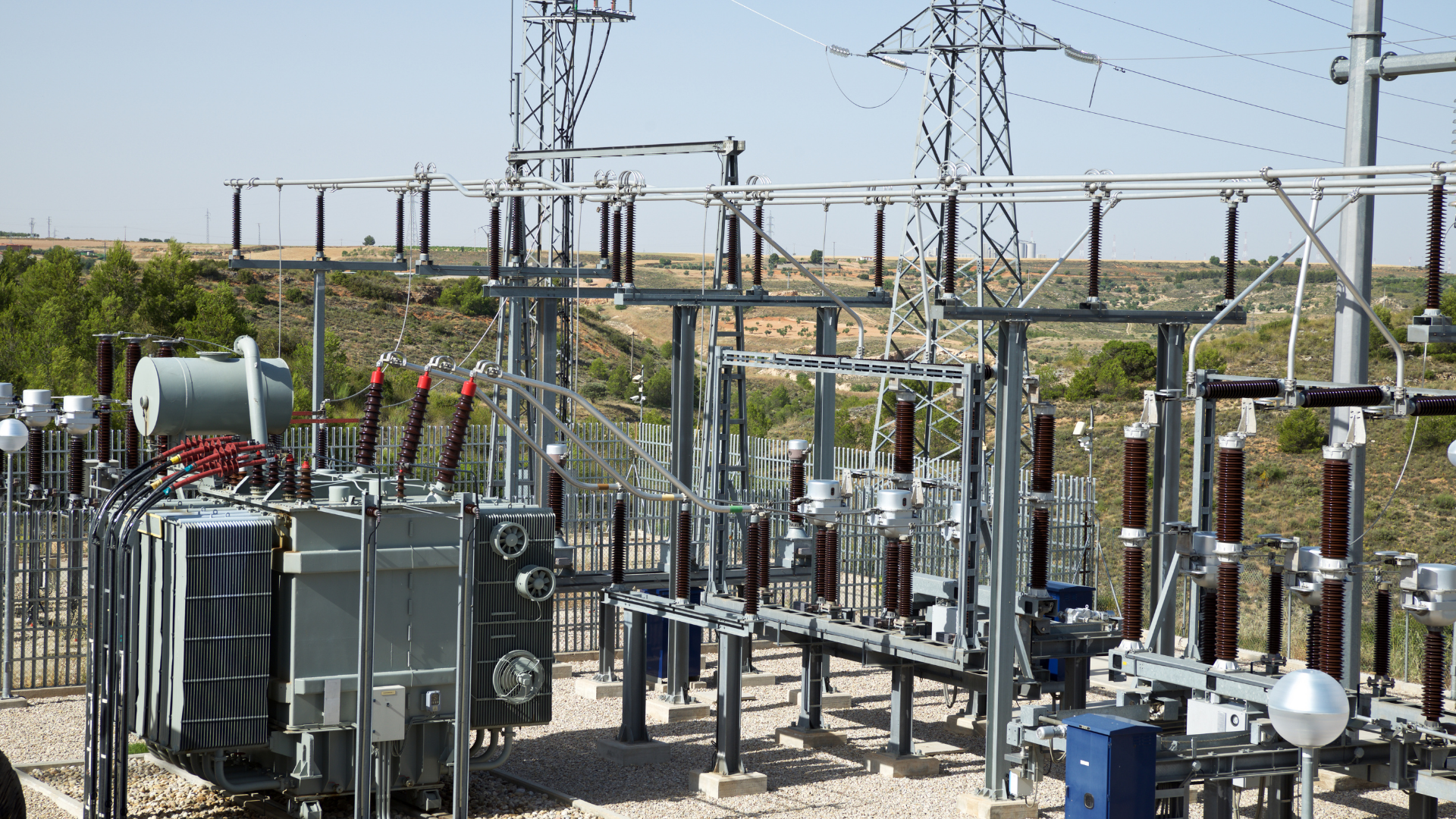
Why Insulation Coordination Studies Are Essential for Electrical Systems
Most EPCs assume that standard insulation levels are sufficient for power systems. However, electrical networks operate in dynamic environments where transient overvoltages from lightning strikes, switching surges, and faults can stress insulation beyond its rated limits. Skipping an Insulation Coordination Study (ICS) may lead to equipment failure, unplanned downtime, and increased maintenance costs.
This blog explores the importance of insulation coordination, provides technical insights, and highlights industry statistics that emphasize why this study should be a standard practice in every EPC project.
What Is Insulation Coordination?
Insulation Coordination is the process of selecting appropriate insulation levels for electrical equipment to ensure that the system can withstand temporary, transient, and steady-state overvoltage while maintaining reliability and safety.
The study involves:
✅ Evaluating voltage stresses from lightning, switching surges, and faults
✅ Selecting surge arresters and insulation levels based on real-world conditions
✅ Ensuring coordination between insulation strength and protection devices
Without this study, EPCs risk overestimating or underestimating insulation levels, leading to inefficiencies in both performance and cost.
Why Standard Insulation Levels Are Not Always Sufficient
Transient Overvoltage Can Exceed Rated Insulation Levels
- Lightning strikes can cause voltage surges up to 3-10 times the system’s rated voltage (e.g., 132 kV system can experience surges exceeding 900 kV).
- Switching surges in high-voltage networks can create overvoltages between 1.5 to 3.5 times the rated voltage.
If insulation is not designed to withstand these overvoltages, it deteriorates over time, leading to failures.
Insufficient Coordination Between Insulation and Surge Protection
- Surge arresters and insulation levels must be coordinated to avoid insulation breakdown before the arrester operates.
- A study by CIGRE showed that poor insulation coordination is responsible for 30% of transformer failures in high-voltage networks.
Increased Risk of Unplanned Failures and Downtime
- Insufficient insulation coordination leads to higher failure rates in GIS, transformers, and switchgear.
- Studies show that a failure in a 132 kV transformer due to insulation breakdown can lead to repair costs exceeding $250,000 and downtime costs up to $1 million per day in critical industries.
Key Benefits of an Insulation Coordination Study
Optimized Equipment Lifespan – Proper insulation coordination reduces stress on electrical components, extending transformer and switchgear life by 20-30%.
Cost Savings – Over-insulation leads to unnecessary costs, while under-insulation results in failures. A well-coordinated insulation system can reduce overall investment costs by 15-20%.
Improved Safety and Compliance – Compliance with IEC 60071 and IEEE Std. 1313.1 ensures safe and reliable power system operation.
Better Surge Protection Strategy – Coordination with lightning arresters and protective relays enhances system stability.
Case Study: The Impact of Insulation Coordination on System Reliability
In a 220 kV substation project, an EPC assumed standard insulation levels without conducting an ICS. Within two years of operation, lightning-induced surges caused insulation breakdown in three transformers, resulting in a total loss of $3.2 million.
A retrospective insulation coordination study identified that:
⚡ Properly rated surge arresters could have mitigated 95% of the transient overvoltage impact.
⚡ Adjusting the Basic Insulation Level (BIL) from 1050 kV to 1200 kV would have prevented transformer failure.
This case highlights the importance of ICS in avoiding costly failures and ensuring long-term system reliability.
Conclusion: Don’t Skip the Insulation Coordination Study!
Relying on standard insulation levels is a risky assumption that can lead to equipment failure, high maintenance costs, and safety hazards. An Insulation Coordination Study helps EPCs:
✅ Ensure insulation reliability under real-world conditions
✅ Reduce downtime and prevent costly failures
✅ Optimize investment by balancing insulation strength and protection levels
For EPCs looking to enhance power system resilience, skipping this study is no longer an option—it’s a necessity.
Need expert insights on insulation coordination? Let’s talk!