



Balancing Innovation and Efficiency: The Art of Oil and Gas Facility Design!!
In the dynamic oil and gas industry, facility design plays a pivotal role in ensuring operational excellence, safety, and productivity. As engineering design consultants, we recognize the critical need to strike a delicate balance between innovation and efficiency in oil and gas facility design. In this blog, we will delve into the art of oil and gas facility design and explore how finding equilibrium between these two factors can add significant value to the industry’s processes and outcomes. Innovation: Embracing Technological Advancements Innovation drives progress in the oil and gas industry. By integrating the latest technological advancements into facility …

Expanding the Boundaries of Engineering: The Benefits of 3D Modeling Beyond Drafting!!
3D modeling has emerged as a transformative tool that surpasses the conventional boundaries of drafting. Its capabilities extend far beyond the realm of engineering, offering numerous benefits that facilitate easy functioning within engineering departments. Let’s explore how 3D modeling enhances efficiency, collaboration, decision-making, and overall performance, revolutionizing the way engineering departments operate. Visualizing Complex Designs: 3D modeling allows engineers to bring complex designs to life in a virtual environment. By creating detailed and realistic 3D models, engineers gain a deeper understanding of the design, its components, and how they interact. This visual representation facilitates easy comprehension of intricate designs, …

List of Standards and Regulation Documents Required for Every Stage of Engineering Project!!
In the field of engineering, several standards and regulation documents are important to ensure the quality, safety, and compliance of engineering projects at every stage. Here is a list of some essential standards and regulation documents and their significance: 1. International Building Code (IBC): The IBC establishes minimum requirements for the design, construction, and maintenance of buildings. It encompasses structural engineering principles, fire and life safety provisions, accessibility requirements, and energy efficiency standards. Adhering to the IBC ensures that buildings are structurally sound, provide adequate egress routes, and meet safety and accessibility standards. 2. National Electrical Code (NEC): …
Importance of 3-D Modelling of any Industry at the Design Stage of the Project!!
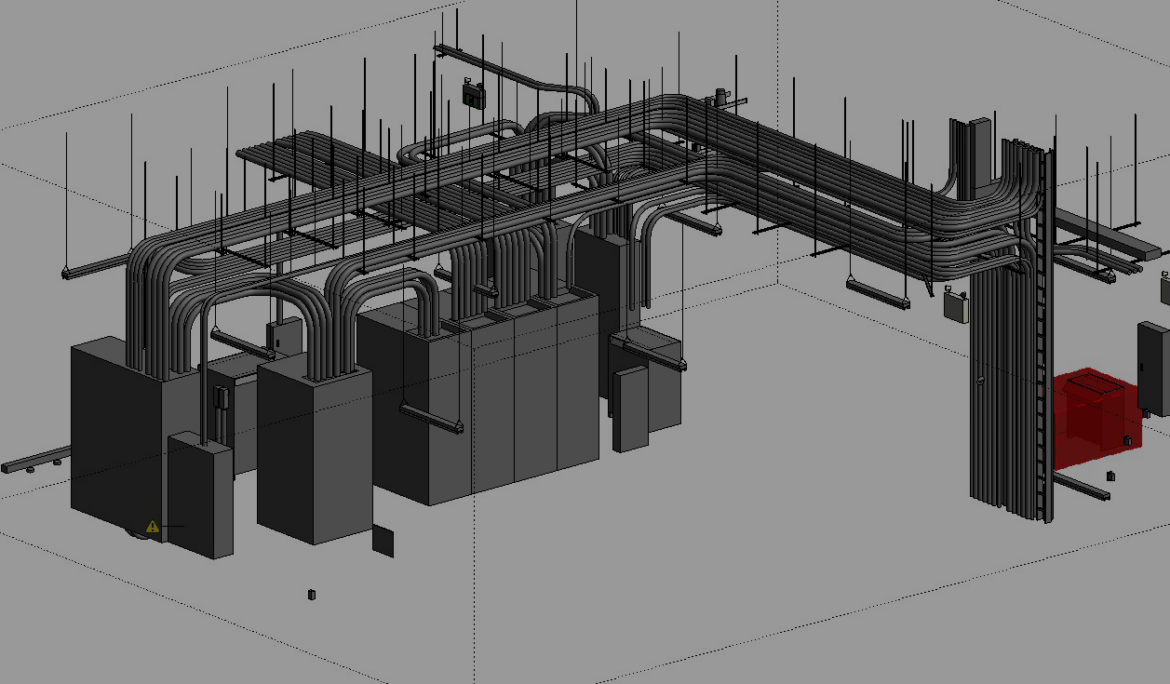
3D modeling plays a crucial role in various industries, particularly during the design stage of a project. Here are some key reasons why 3D modeling is important: 1.Visualization 3D modelling provides a realistic visual representation of the product or structure being designed, allowing designers and stakeholders to see the final product before it is built. This helps to identify any design flaws or areas of improvement early in the design process, reducing the need for costly redesigns and delays. As 3D models can be viewed from any angle, allowing stakeholders to see every detail of the design, including its …

Why Material Wastage Optimisation is Very Important for Any Heavy Engineering and Equipment Manufacturing Industry?
1. Cost Reduction: In heavy engineering and equipment manufacturing industries, materials often constitute a significant proportion of the total production cost. This can include metals, plastics, or composite materials, each of which can be expensive. Material wastage, therefore, represents a direct financial loss. By adopting more precise manufacturing techniques, improving planning and inventory management, and implementing recycling or waste repurposing strategies, industries can significantly reduce these costs. These savings can then be reinvested into other areas of the business, such as R&D or marketing, leading to overall growth. 2. Efficiency Improvement: Material wastage is often indicative of inefficiencies in …

The Major Differences between P&ID (Piping and Instrumentation Diagram) and Isometric Drawings!!
Both of these are used in engineering design, particularly in the process and mechanical industries. Here’s a summary of their primary differences: P&ID (Piping and Instrumentation Diagram) P&ID is a schematic representation of the process flow in a plant or industrial system. It shows the relationship between the equipment, piping, and instrumentation within the system. P&IDs are typically 2D drawings that use standardized symbols and notations to depict the components and their connections. These diagrams serve as a basis for the design, construction, and operation of the plant, as well as for maintenance and safety purposes. P&IDs do not …
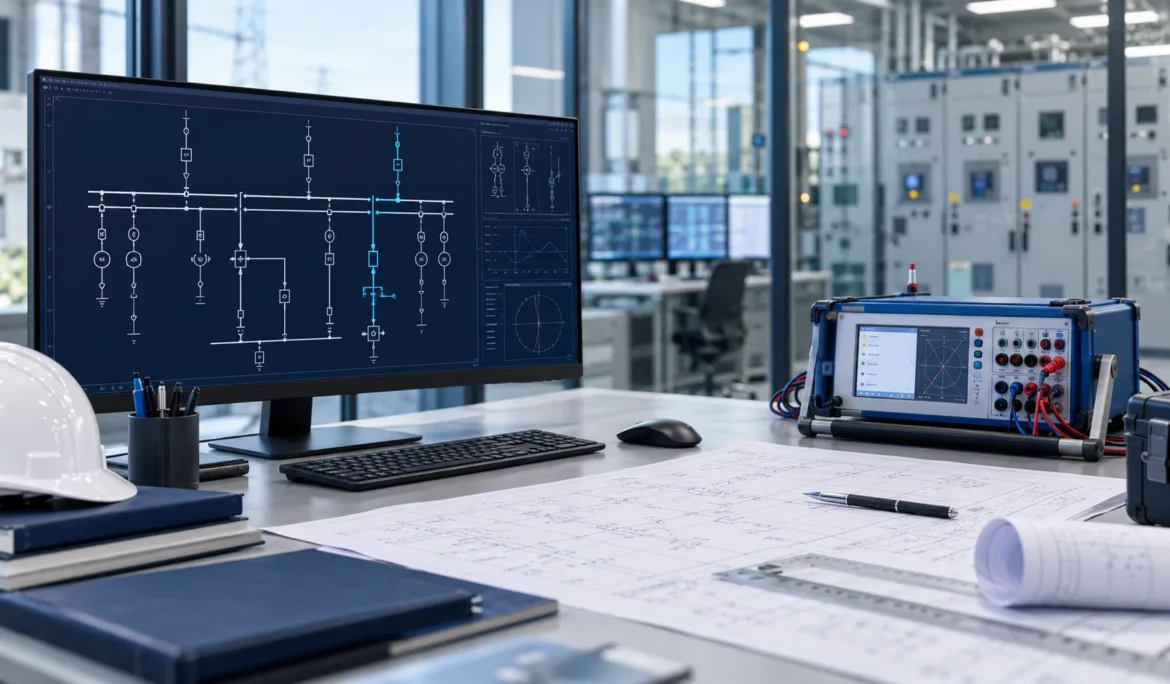
Basic SLD vs Protection SLD: Differences and Deliverables
Compare basic and protection single-line diagrams, their drawing content and the settings, logic and wiring documents that support them. …

Why does HIRA Audit Help to Add Value to Safety Audit?
HIRA (Hazard Identification and Risk Assessment) audit is an essential component of a comprehensive safety audit. It helps to add value to the safety audit by systematically identifying hazards, evaluating the associated risks, and prioritizing risk mitigation measures. Here’s how HIRA contributes to the value of a safety audit: 1. Systematic hazard identification: HIRA audit involves a methodical examination of the workplace, processes, and activities to identify potential hazards. This comprehensive approach ensures that all relevant hazards are recognized, providing a solid foundation for risk assessment and mitigation. 2. Risk assessment and prioritization: HIRA audit involves evaluating the likelihood …

What is Advantages of Very Low Frequency Testing?
Very Low Frequency (VLF) testing is a widely used technique for testing the integrity of electrical insulation in medium and high voltage cables, transformers, and other electrical equipment. VLF testing offers several advantages over other traditional testing methods such as Direct Current (DC) and Power Frequency (PF) testing: 1. Safety: VLF testing uses lower voltages and current levels compared to other testing methods, reducing the risk of accidents and injuries during testing. This makes it a safer option for technicians performing the tests. VLF testing uses lower test voltages compared to other methods such as Direct Current (DC) and …

How Design Engineering Help Company Owners and EPC Players!!
Design engineering can add value to the owners of any company by providing them with innovative solutions that improve the efficiency and effectiveness of their operations, reduce costs, and enhance the overall value of their products and services. This can include: 1. Product design and development: Design engineering can help companies with insights into consumer needs, preferences, and trends. By optimizing the design of their products, companies can reduce production costs, improve functionality, and enhance their marketability. Design engineering can help companies simulate and model the performance of their products under various conditions, which can help identify potential design …