
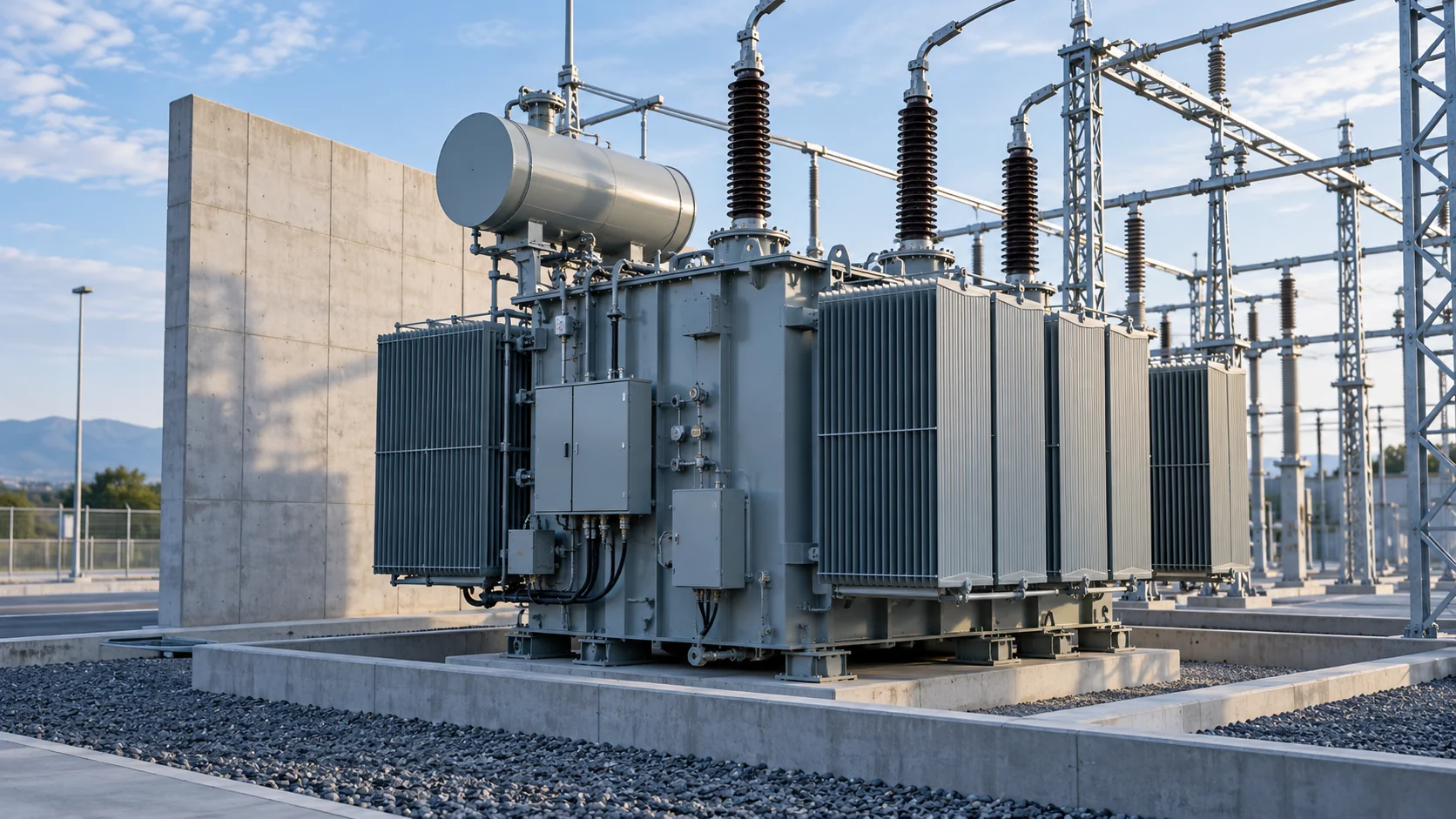
The decision follows the applicable installation rules and oil containment design. For the installations covered by CEA Safety Regulation 46, the 2023 text expressly addresses oil soak pits for oil-filled apparatus above 2,000 litres. That threshold alone does not determine the complete civil design.
What an oil containment system must achieve
An oil collection pit is part of a coordinated equipment layout, drainage and fire protection arrangement. Its purpose is to manage oil released from the equipment and support the selected containment strategy. A domestic wastewater soakaway is not an appropriate model for explaining transformer oil containment.
Review the collection area, its connection to any remote collection pit, and where liquids can travel. The electrical equipment layout and civil drainage drawings should tell the same story.
Start with the current regulatory basis
The 2023 CEA Safety Regulations superseded the 2010 safety regulations. Regulation 46(2)(vii) includes oil containment and fire precautions; its scope and conditions matter. Read the provision with the relevant construction requirements, standards and project approvals, rather than copying an isolated quantity from an older article.
The 2026 safety amendment has been notified but starts on 1 April 2027. It adds BESS provisions; it should not be described as a new transformer pit-sizing rule.
Inputs to establish before sizing the pit
- Equipment: vendor-confirmed oil inventory, transformer or reactor type, general arrangement and interfaces.
- Installation: indoor or outdoor location, nearby equipment, buildings, cable trenches and access routes.
- Civil conditions: finished levels, groundwater, flood exposure and available drainage routes.
- Containment strategy: individual collection, shared remote collection, liquid management and environmental controls.
- Design basis: governing regulations, adopted standard editions, owner requirements and approval conditions.
A practical review sequence
- Agree the applicable rules and equipment data before fixing the civil arrangement.
- Coordinate the transformer layout with fire separation and drainage drawings.
- Calculate the required capacity using the applicable design basis and vendor oil quantity.
- Check usable volume, drainage paths, access and the arrangements that keep the system available.
- Issue the calculations and drawings together for engineering review and approval.
Questions that prevent rework
Can we adopt a percentage from a previous project? Only after confirming that the governing clause, equipment configuration and liquid-management assumptions match. A percentage without that basis is incomplete.
Does being below an oil-volume threshold eliminate containment needs? It does not establish that conclusion by itself. Other applicable requirements, environmental controls and the project risk assessment still need consideration.
Should containment and firewall design be reviewed together? Yes. Read our transformer fire separation guide alongside the layout and drainage package.
Official references
- CEA Safety Regulations, 2023 — Regulation 46 (PDF, Gazette pages 117–118), official government-hosted copy.
- CEA Safety Amendment Regulations, 2026 — commencement and BESS provisions (PDF).
- Government Energy Department register — CEA Construction Regulations, 2022. The CEA construction-standards register also lists 2025 and 2026 amendments. Check the published, applicable provisions for the installation; a consultation draft is not an adopted regulation. See the current CEA construction-standards register.
Resolve the transformer civil interfaces
Send the project location, equipment data and available drawings. We’ll help define the engineering scope and required deliverables.